EN

A voltage regulator for LED lights is a crucial component that ensures consistent voltage levels for efficient lighting performance. As more businesses and industries adopt LED technology, the demand for reliable voltage regulators has risen. Purchasing managers and engineers need to understand how to select the right voltage regulator to meet specific operational requirements, ensuring compatibility and optimal performance. This article will guide you through the essential considerations and specifications to help you make informed purchasing decisions regarding power voltage regulator for LED lights.
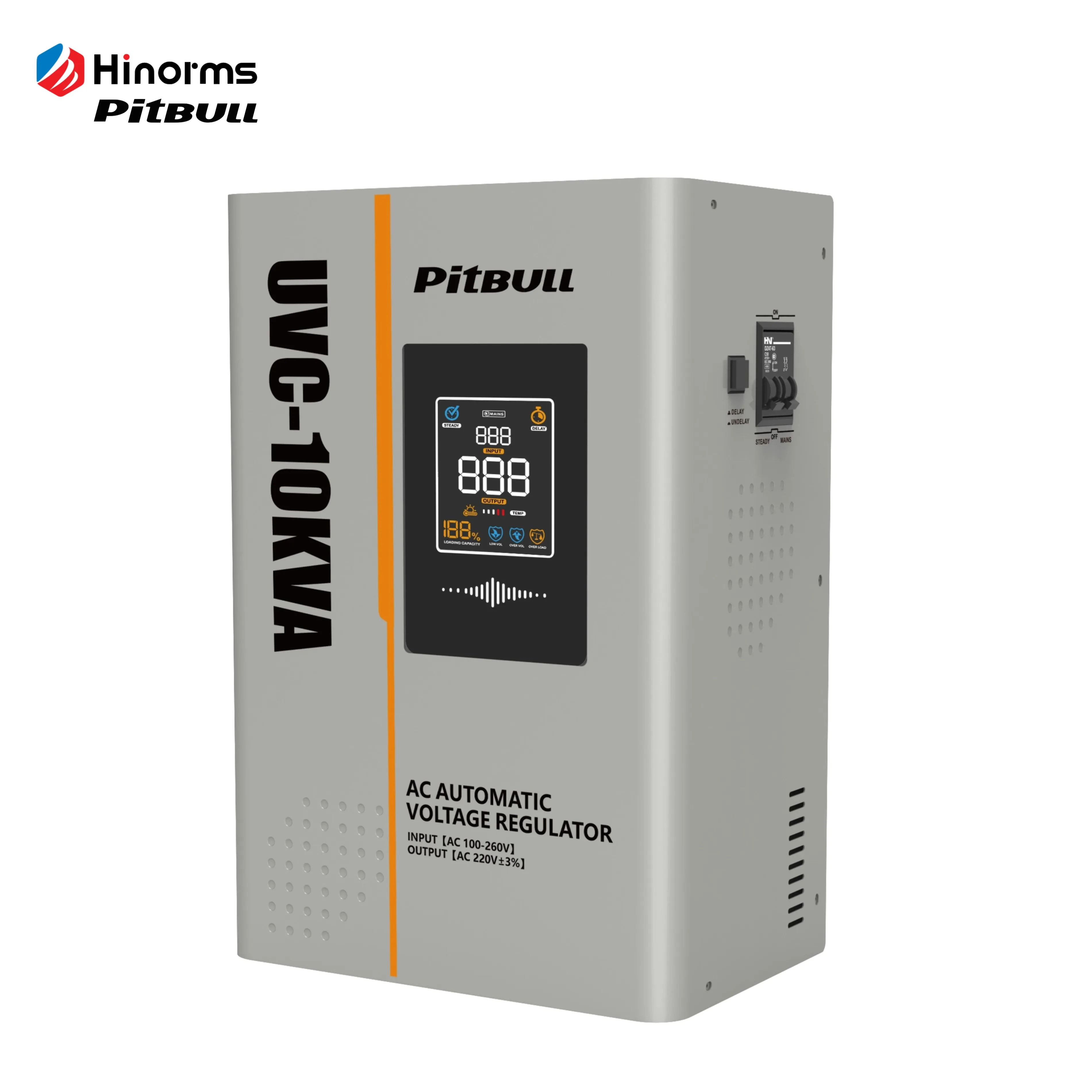
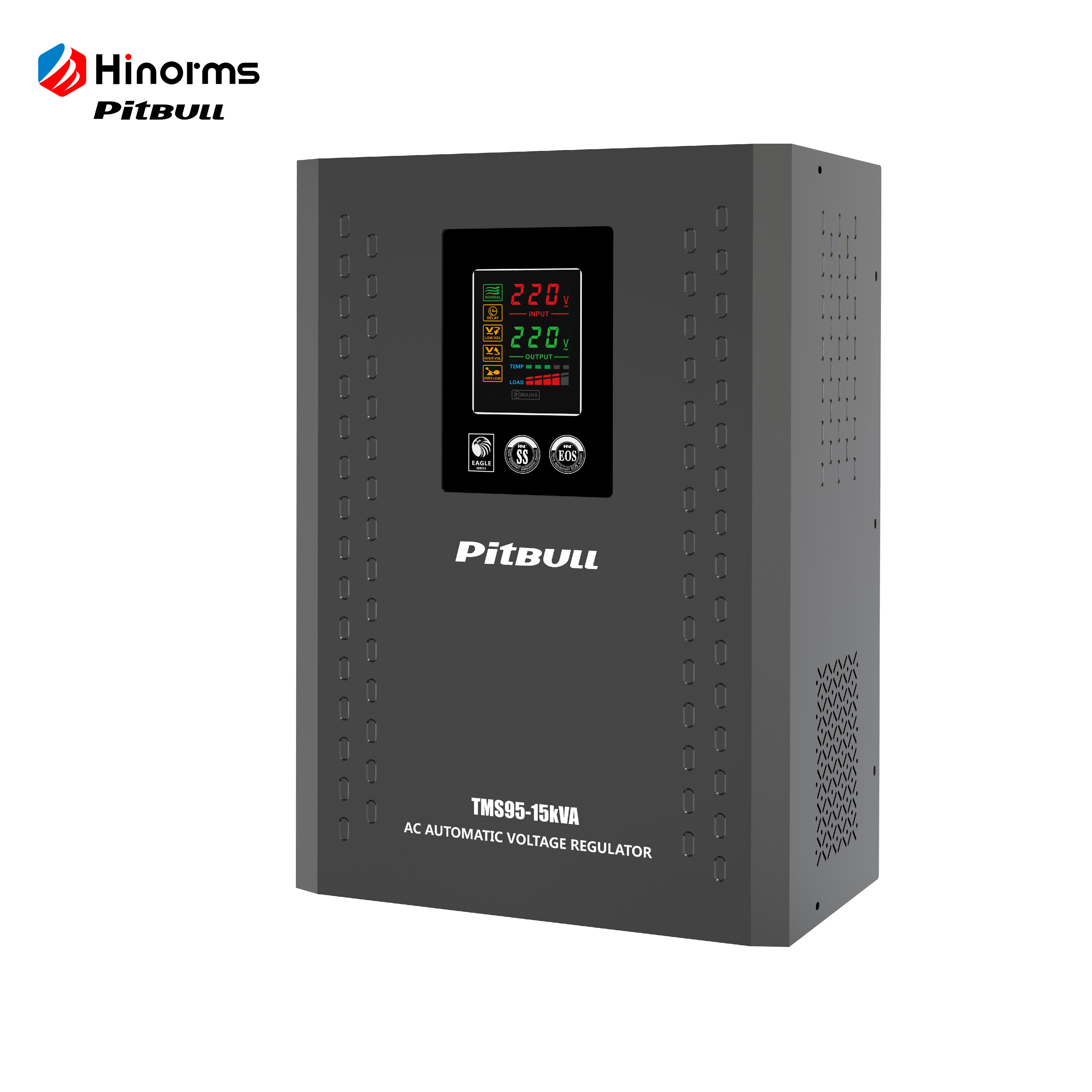
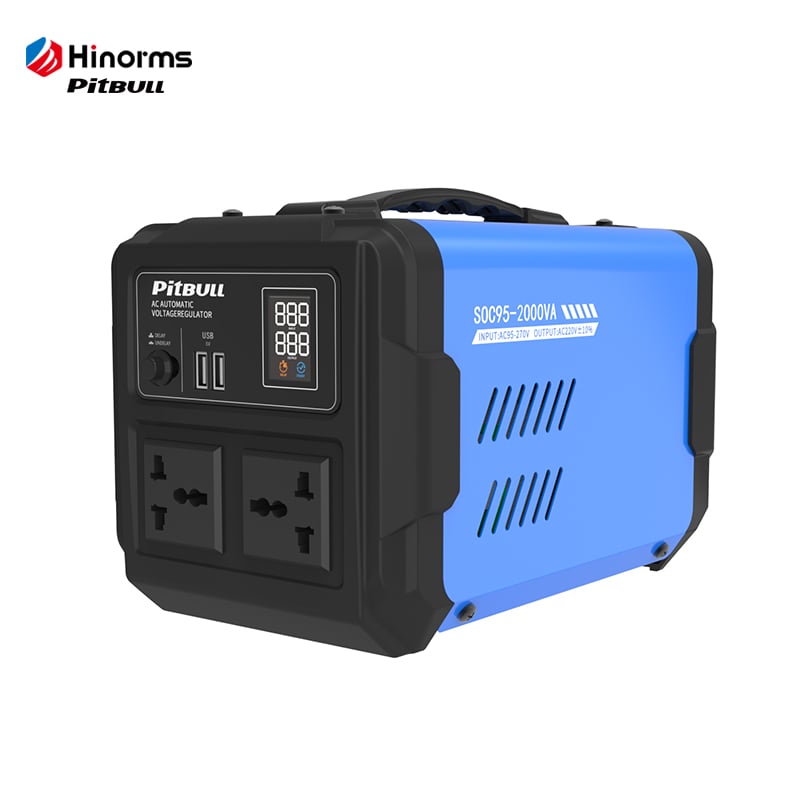
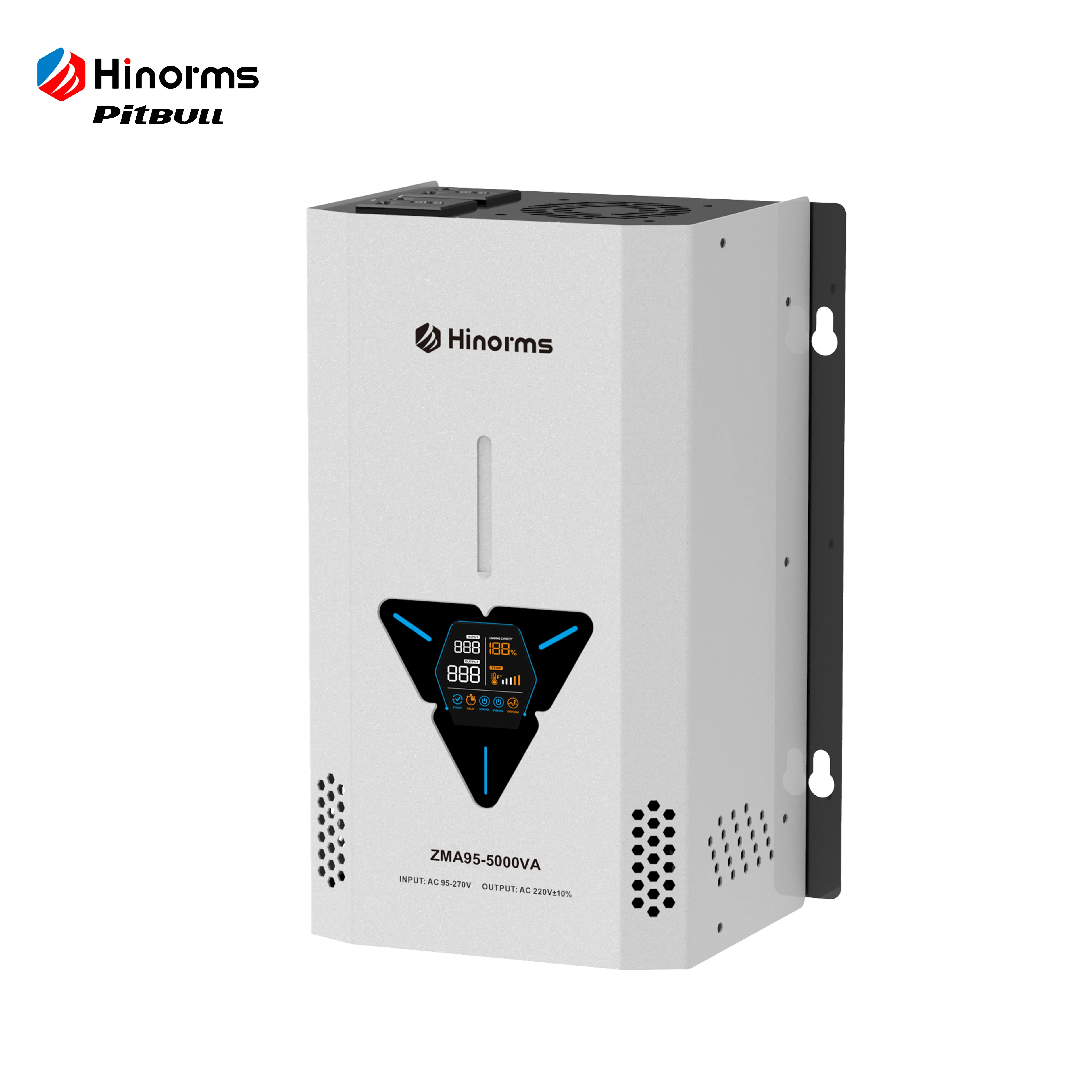
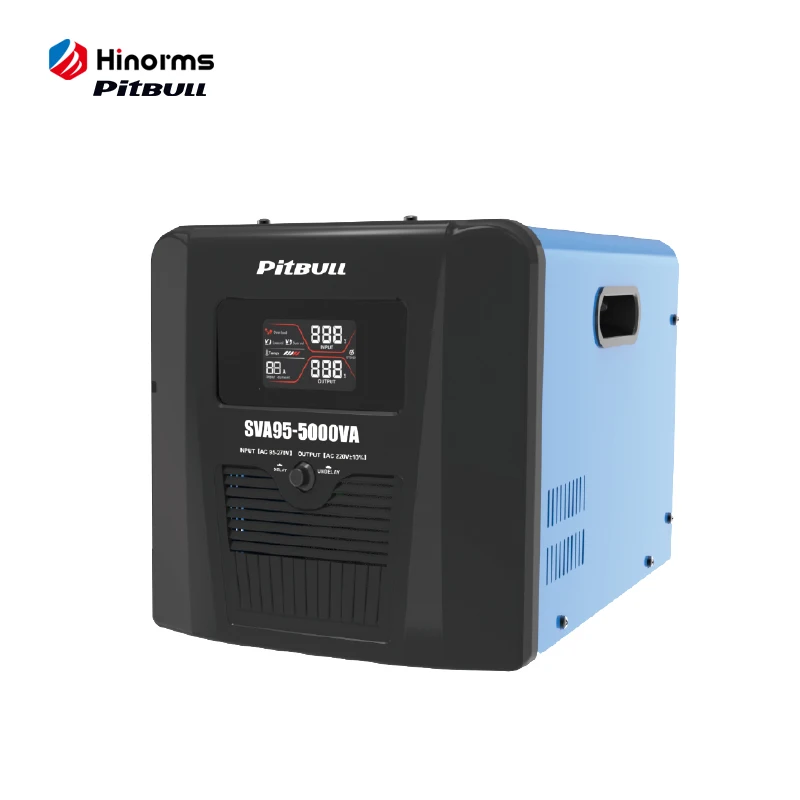
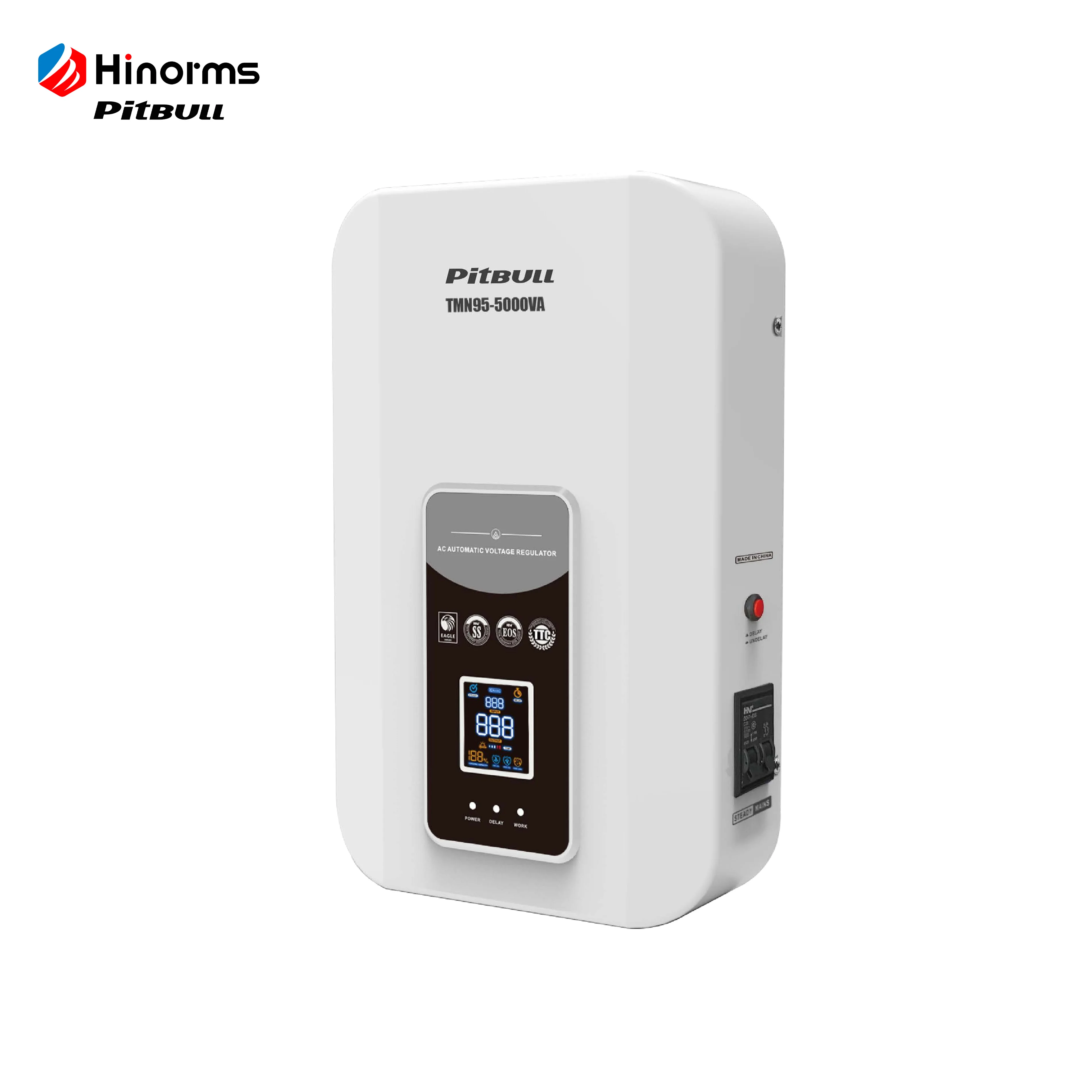
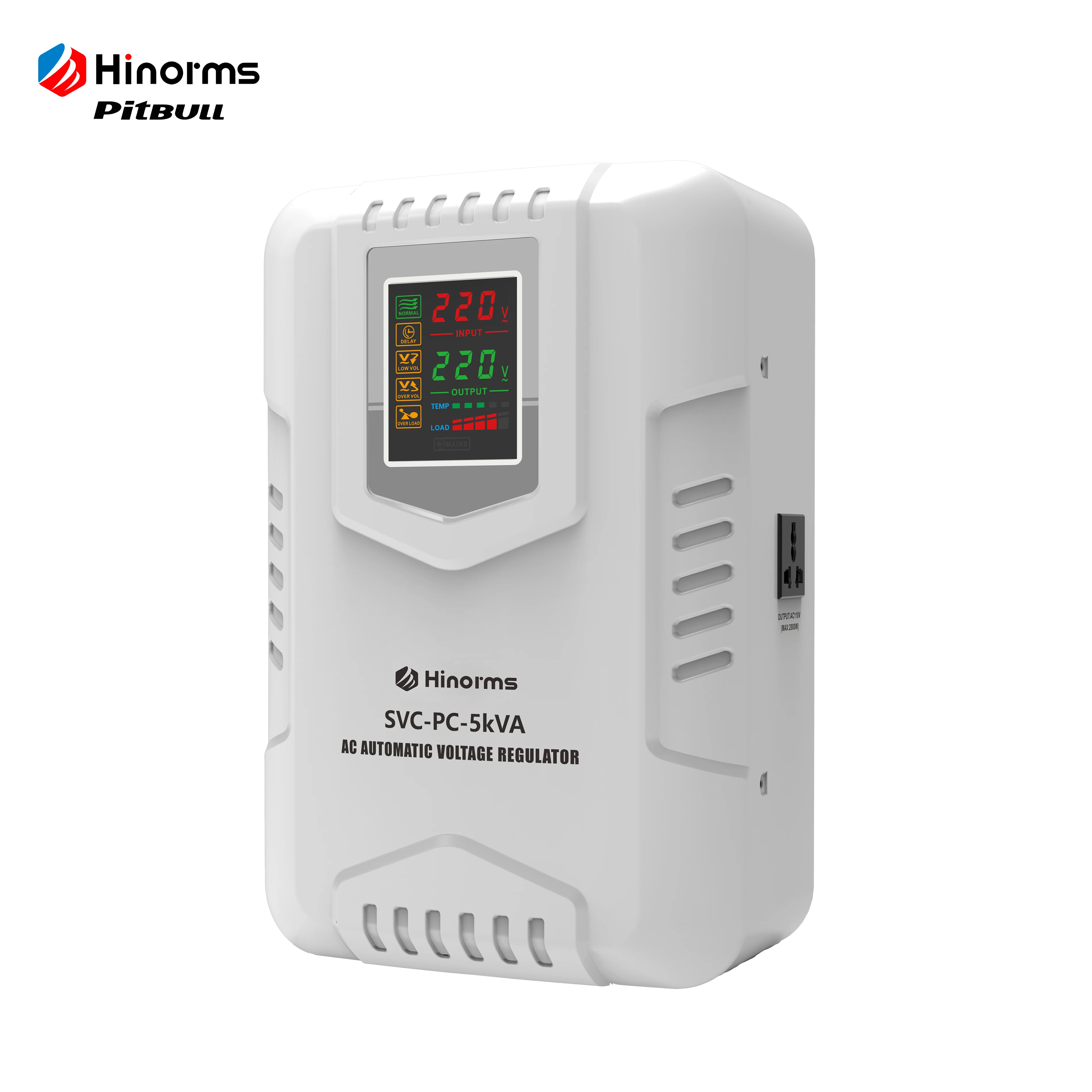
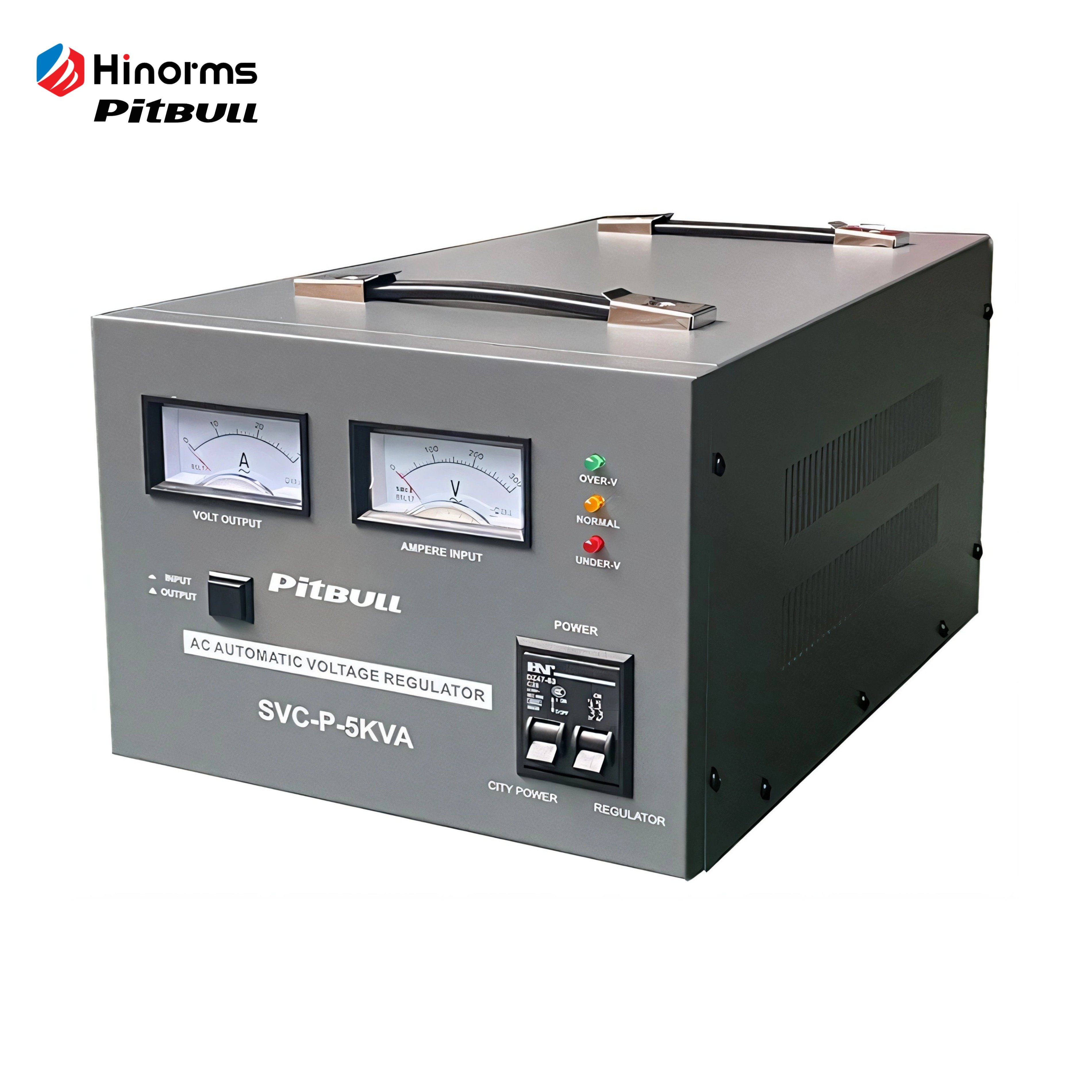
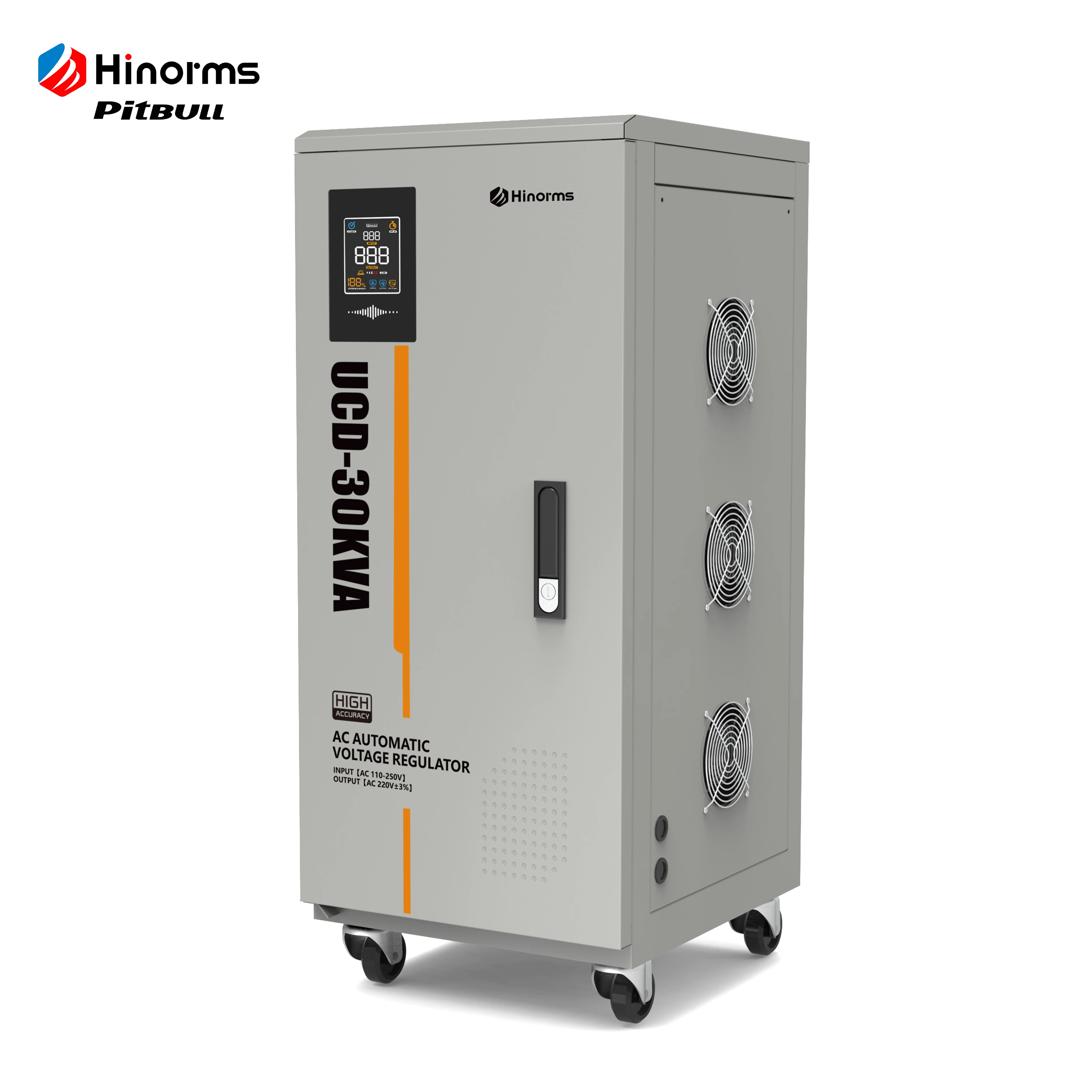
How to Choose the Right Voltage Regulator for Your Projec
Choosing the right voltage regulator involves assessing the specific needs of your project. Begin by identifying your LED lighting requirements, including voltage and current specifications. Next, consider the following factors:
Application Environment: Analyze the operating conditions where the LEDs will be installed. Industrial settings may require regulators with higher durability and resistance to environmental factors like dust and moisture.
Customization Needs: Depending on your application, you may need customized solutions. Verify if the manufacturer offers tailored voltage regulators to suit specific voltage ranges or current ratings.
Compliance with Standards: Ensure the voltage regulator complies with relevant industry standards and regulations. This is particularly important for applications in sensitive environments, such as hospitals or laboratories.
Supplier Evaluation: Research potential suppliers to understand their experience and reputation in manufacturing voltage regulators. A trusted manufacturer will have robust quality control processes in place, ensuring the reliability of their products.
By carefully evaluating these factors, you can select a voltage regulator that aligns perfectly with your project's requirements, enhancing the overall effectiveness of your voltage regulator for LED lights system.