Choosing the Best 220V Power Regulator for Wholesale

All Categories

220v power regulator

A  220V power regulator is a  crucial device for ensuring stable and consistent  voltage  levels in electrical systems. For  B2B  buyers,  particularly purchasing managers and engineers, understanding the specifications, installation challenges, and application suitability of  these regulators  is essential.  This article  will guide you  through the key considerations  when selecting  a  220V power regulator, sourcing reliable suppliers,  evaluating costs,  addressing common installation challenges, and exploring  its applications  across various industries.


Where to Find Reliable Suppliers for 220V Power Regulators

Finding a trustworthy supplier for 220V power regulators involves thorough  research and evaluation  of  potential candidates. Start by looking for manufacturers  with a proven track record in the industry.  Established companies often demonstrate reliability through  their experience in  producing  high-quality voltage stabilizers  and adhering to industry standards.

Leverage industry  networks and  trade associations to  identify reputable suppliers. Attending trade  shows and industry conferences can also provide  opportunities  to connect with manufacturers directly, allowing you to assess their products firsthand. When evaluating suppliers, consider  their manufacturing capabilities  and quality control processes. A manufacturer who  develops core components in-house is likely to have better control over product quality and performance.

Finally, request references or case studies from potential suppliers to gauge their experience with similar projects. This can offer insights into their reliability, customer service, and ability  to support your specific operational  needs.
Cost Factors to Consider When Purchasing 220V Power Regulators in Bulk

Cost  is a significant consideration when purchasing  220V power  regulators in bulk. Start  by analyzing the base price per unit, which can  vary  based on specifications and customization. Bulk orders often lead to discounts, so be sure to inquire about pricing tiers  based on volume.

Additionally, consider the total cost of ownership, which  includes installation,  maintenance, and potential  repair or replacement costs.  A regulator that is initially  more expensive may ultimately  prove more cost-effective if it  requires less  maintenance or has a longer lifespan.

Shipping and handling fees can also impact overall costs. Evaluate the supplier's shipping policies and any associated charges to avoid unexpected expenses. Lastly, ensure  that you factor in any  applicable  taxes or duties, especially if sourcing  from international suppliers, as these can  significantly affect your overall budget.

Common Installation Challenges of 220V Power Regulators and Solutions

Installing a  220V power  regulator can present a variety of challenges  that, if not addressed, may lead to suboptimal  performance. One common issue is ensuring  compatibility with existing electrical infrastructure. Before installation, it is crucial to assess the current wiring and load conditions to ensure  the  regulator can integrate seamlessly  without causing overloads or failures.

Another challenge is physical space  constraints. Regulators  may require specific installation environments, including  adequate airflow for cooling. Assessing the installation site  beforehand can help  in selecting the right model  and planning for any necessary modifications.

Moreover, improper calibration during installation can lead to instability in  voltage regulation. It is advisable to work with a qualified  technician familiar with  the specific model and its calibration process.  This ensures that the regulator is set up to  operate efficiently  and effectively according to the unique demands of the application.

Applications of 220V Power Regulators in Various Industries

220V power regulators find  extensive applications across numerous industries, each benefiting  from their ability to stabilize voltage and protect sensitive equipment. In the manufacturing sector, these regulators play a vital role in  ensuring  the consistent operation of machinery, thereby minimizing downtime and enhancing productivity. By preventing voltage fluctuations, companies can  protect their investment in equipment and reduce  repair costs.

In the telecommunications industry, stable power supply is critical for maintaining the operation of communication networks.  Power regulators  help prevent  disruptions in service caused by voltage irregularities, ensuring that systems remain operational.

Additionally,  the healthcare sector relies on 220V power regulators to protect sensitive medical equipment. Fluctuations in  power can lead to inaccurate readings or equipment  failure, potentially compromising patient safety. By providing  stable voltage, regulators contribute to the reliability of medical devices and systems.

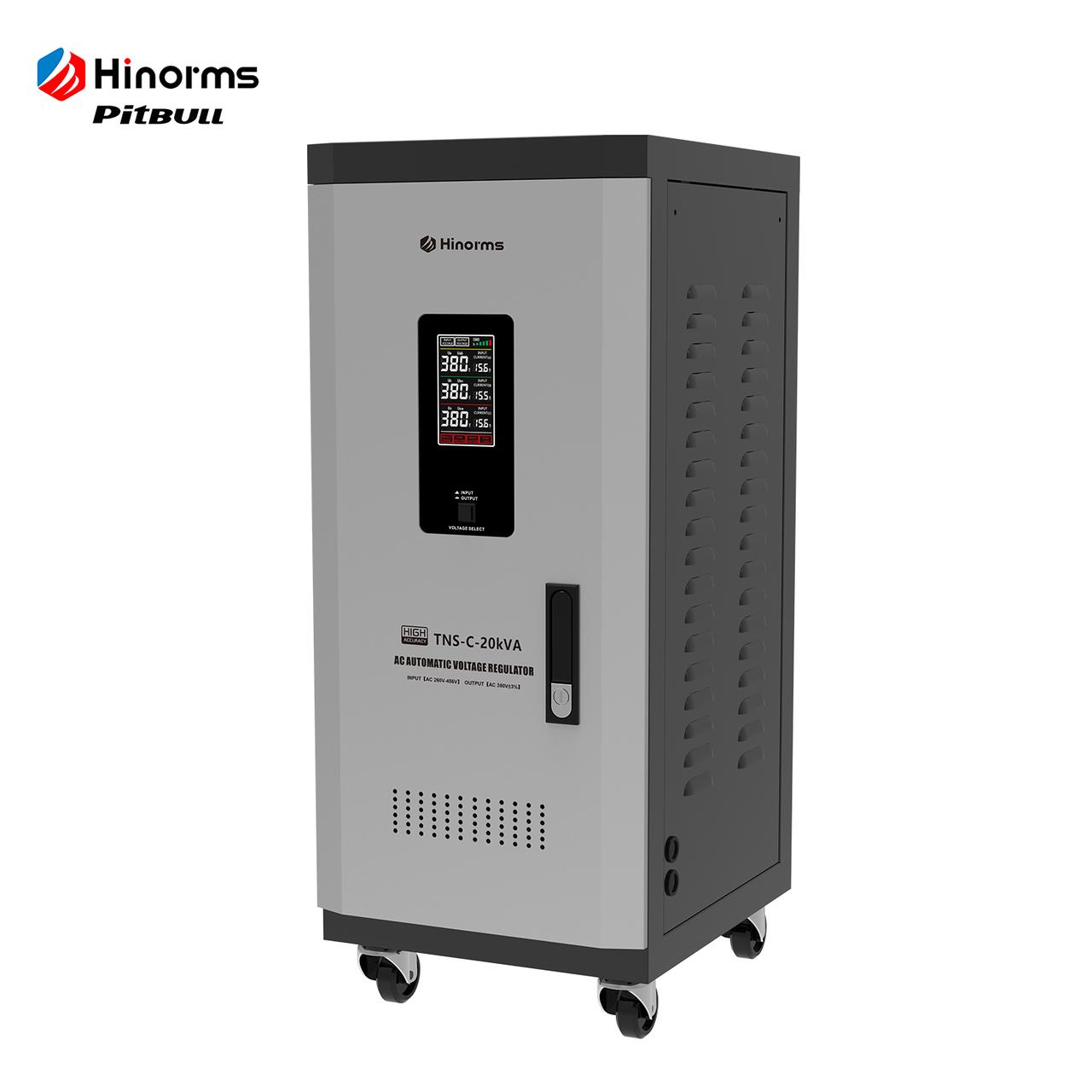
Furthermore, in commercial applications, such as retail or hospitality, maintaining  a consistent power supply is essential for  customer satisfaction and operational efficiency. Regulators can protect point-of-sale  systems, lighting, and HVAC systems from voltage spikes, ensuring a pleasant environment for customers and staff alike. Products like the 3 Phase Voltage Regulator can be particularly beneficial in these settings.

In summary, understanding the  key considerations, sourcing reliable suppliers,  evaluating cost factors,  addressing installation challenges, and recognizing  industry applications of 220V power regulators can empower B2B buyers to make informed purchasing decisions. By focusing on quality and compatibility, organizations can optimize their electrical systems for reliability and efficiency.

What to Consider When Choosing a 220V Power Regulator for Wholesale

When selecting a 220V power regulator for wholesale, several critical factors must be assessed to ensure optimal performance and compatibility with your specific applications. First, consider the load capacity of the regulator. This specification determines how much power  the regulator can handle without overheating or failing. It is vital  to match the regulator's capacity with the expected load to avoid  operational issues.

Next, examine the output  voltage stability. A quality regulator will maintain a consistent output voltage, even with fluctuations in input voltage. Look for models equipped with advanced software control mechanisms,  which enhance performance by automatically adjusting to varying input conditions. Additionally, ensure that the  regulator meets local power standards, as compliance with national  or international certifications  can significantly  impact reliability. For example, the SVC series is known for its compliance and performance.

Customization options are also essential. Depending on your  operational needs, you may require specific features  such  as remote monitoring,  surge protection, or  integration with existing electrical systems. Discussing  these requirements  with  your supplier  can facilitate the development of tailored solutions  that maximize safety and  efficiency.

Our Blog Posts

How Relay Voltage Stabilizers Protect Your Appliances

18

Nov

How Relay Voltage Stabilizers Protect Your Appliances

We all too frequently lose sight of how essential our reliable, stable power is in our everyday lives. But the electrical power that reaches our homes is not entirely stable. Variations in voltage are bound to happen It is not uncommon that there is ...
View More
TNS-C 3 Phase Voltage Regulator: Compliance with International Standards

25

Feb

TNS-C 3 Phase Voltage Regulator: Compliance with International Standards

In the current globalized business environment, the electrical equipment has to go beyond the local requirements of a specific area to match the world standards. In the case of industries that use stable three phase power, the guarantee of a voltage ...
View More
Socket-Style Stabilizers for Home Offices: Device Compatibility List

15

Jun

Socket-Style Stabilizers for Home Offices: Device Compatibility List

Socket-Style Stabilizers for Home Offices: Device Compatibility List As people move around and work in an increasingly mobile society, the home office has become one of the most important areas which must be continually secured from unreliable elect...
View More
Socket-Style Voltage Regulators for Camping Gear: Portable Power Solutions

15

Jun

Socket-Style Voltage Regulators for Camping Gear: Portable Power Solutions

In today's world of camping, our electrical devices are going to be the largest part of your camping setup. Portable fridges, CPAPs, satellite communicators, drone charges, LED lights, you name it-whatever device you might bring, it's going to use ...
View More

Let’s Build Business Together — For Distributors, Dealers & Partners

We warmly welcome inquiries from distributors and business partners. Retail services are not available at this time. Thank you for your understanding.
Name
Email
Company
Phone/WhatsApp
Message
0/1000
Choosing the Best 220V Power Regulator for Wholesale

Let’s Build Business Together — For Distributors, Dealers & Partners

We warmly welcome inquiries from distributors and business partners. Retail services are not available at this time. Thank you for your understanding.
Name
Email
Company
Phone/WhatsApp
Message
0/1000