EN

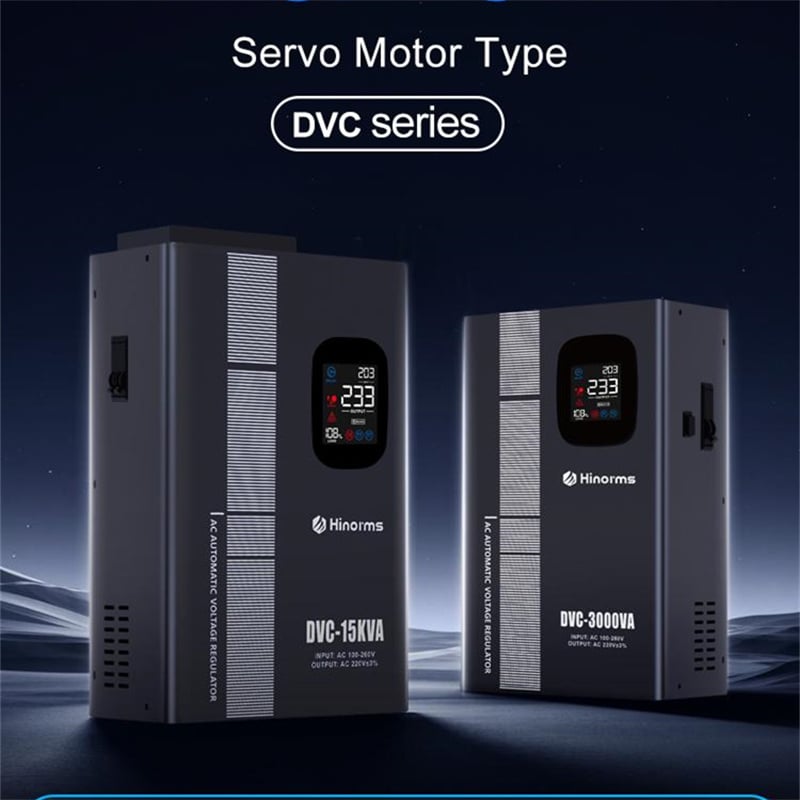
Automatic voltage stabilizers (AVS) are essential devices that ensure a consistent power supply by correcting voltage fluctuations in electrical systems. For B2B buyers, particularly purchasing managers, engineers, and facility managers, selecting the right automatic voltage stabilizer main line is crucial for operational efficiency and equipment longevity. This article explores key factors in choosing an AVS, installation guidance, its applications across various industries, and common voltage fluctuation issues with effective solutions.
Key Considerations
When evaluating automatic voltage stabilizers, several key considerations should guide your decision-making process:
Environmental Conditions: Assess the operational environment. Factors like temperature, humidity, and dust levels can affect the stabilizer's performance and lifespan. For instance, a stabilizer used in a humid environment may require protective features against moisture.
Maintenance Requirements: Understand the maintenance needs of the stabilizer. Some models may require regular servicing, while others are designed for minimal upkeep. A stabilizer with easy access to components for inspection and repair can save time and reduce operational downtime.
Supplier Reputation: Evaluate potential suppliers based on their reputation in the industry. A manufacturer with a history of reliable products and effective customer service is likely to provide better support throughout the purchasing process and beyond.
Warranty and After-Sales Support: Check the warranty offered on the stabilizer and the availability of after-sales support. A robust warranty can provide peace of mind, while responsive customer service can assist in the event of operational issues.