AVR in Power Systems for Stability and Reliability

All Categories

avr in power system

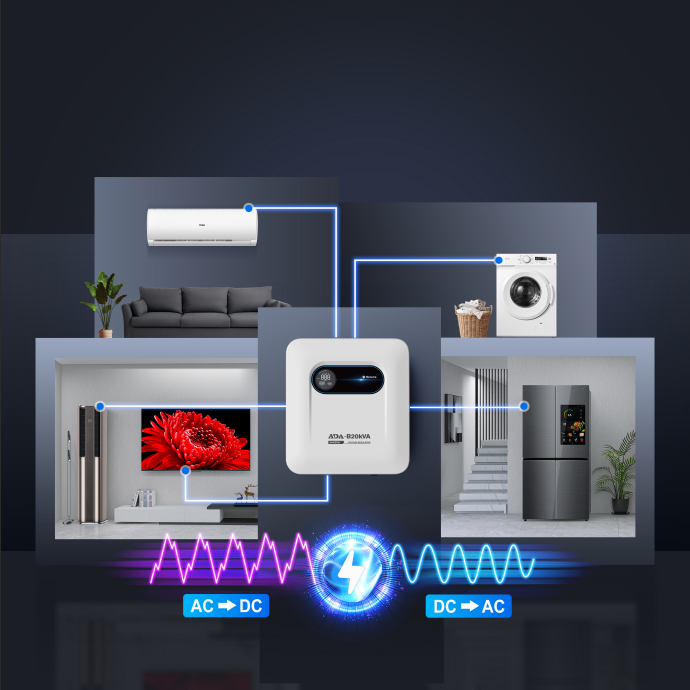
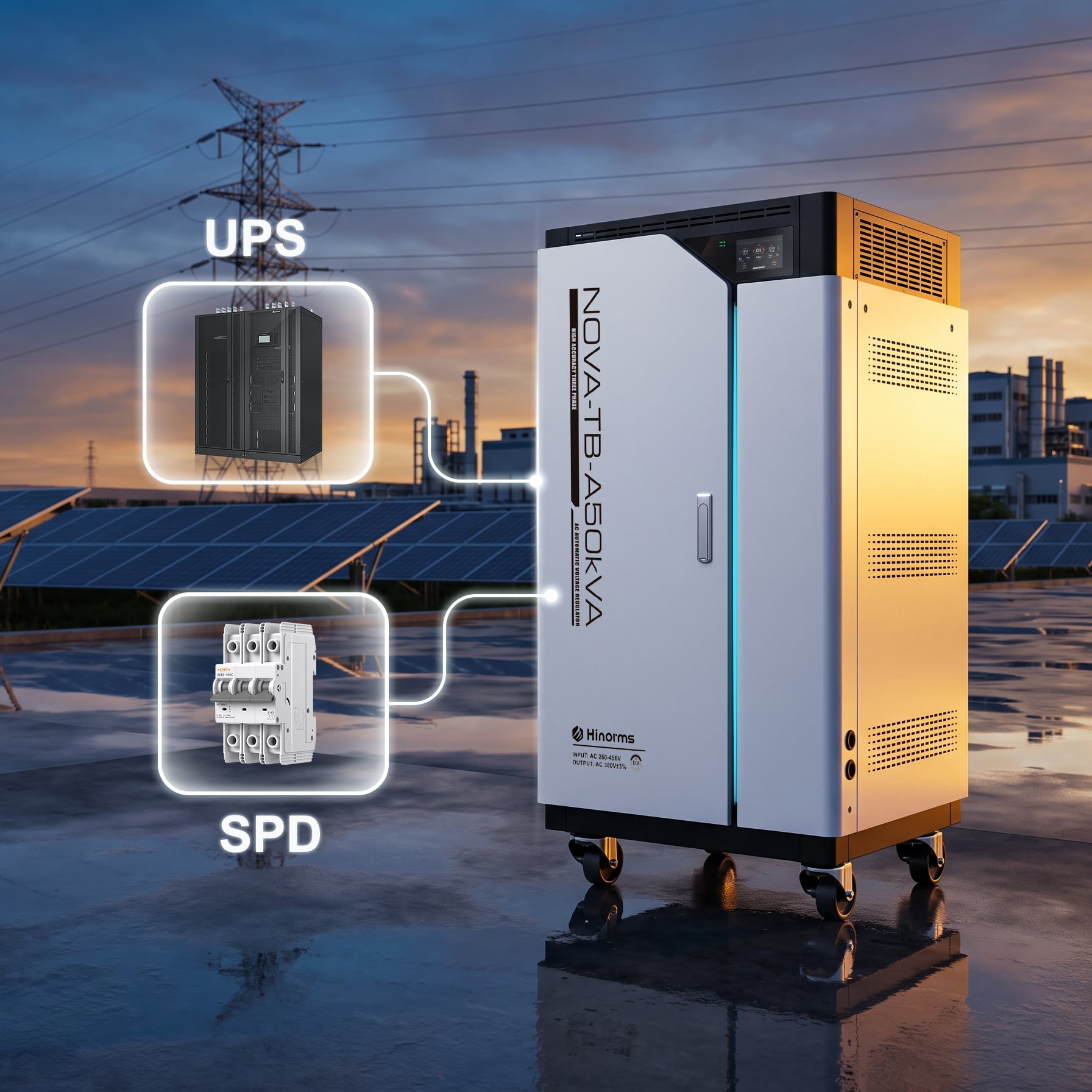
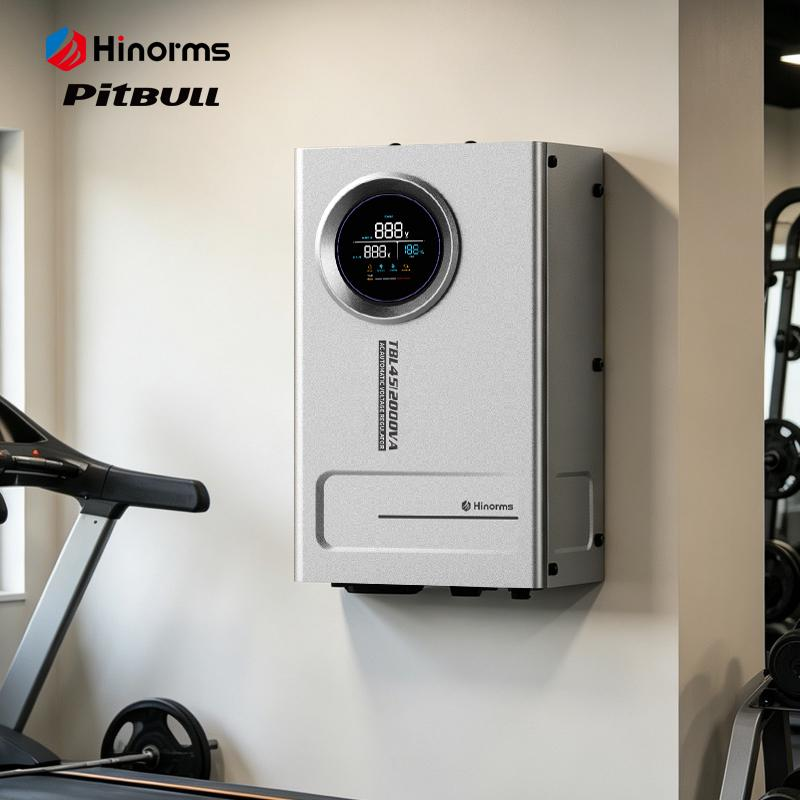
AVR stands for Automatic Voltage  Regulator. It  is a special device used  in power systems to  keep the  voltage  stable.  When the  voltage changes, it can cause problems like  lights  flickering or machines not working properly.  The AVR helps  to control and adjust the voltage automatically. This is  very important because power systems need a steady voltage to run safely and  efficiently.  If  the voltage goes  too high or too low, it can damage equipment or cause outages. So, the AVR plays a  key role in making sure everything  runs smoothly. Companies like Hinorms focus on making high-quality AVRs that are reliable and  effective.

Where to Source High-Quality AVRs for Your Power System Projects?

Finding the  right AVR for your power system projects is important. You want a  product  that is reliable and can handle different  situations. Hinorms is a great place to start. They have a wide range of AVRs that are known for their quality and performance. When looking for AVRs, it’s important to check a few things. First, make sure  the AVR can  handle the voltage levels you need for your project. Not all AVRs are the same,  so knowing what you  require is key. Next, consider the size and type of your power system. Some AVRs are better for small setups, while others are designed for larger industrial systems. Also, think about the  environment where the AVR will be  used. If it’s going to be in a place  with a  lot of dust or moisture, you’ll need an AVR that can withstand those conditions. Hinorms offers  products tested to  perform well in various  environments.  It's also a good idea to look at customer reviews. Hearing from other users can give you a sense of how well the AVR works in real-life situations. Finally, think about the support  you might need after your purchase.  Good companies, like  Hinorms, provide  excellent customer service and help if you have questions or need assistance with setup. Finding a high-quality AVR can make a big difference in the success of your power system project!
What Are the Benefits of Using AVR in Industrial Power Systems?

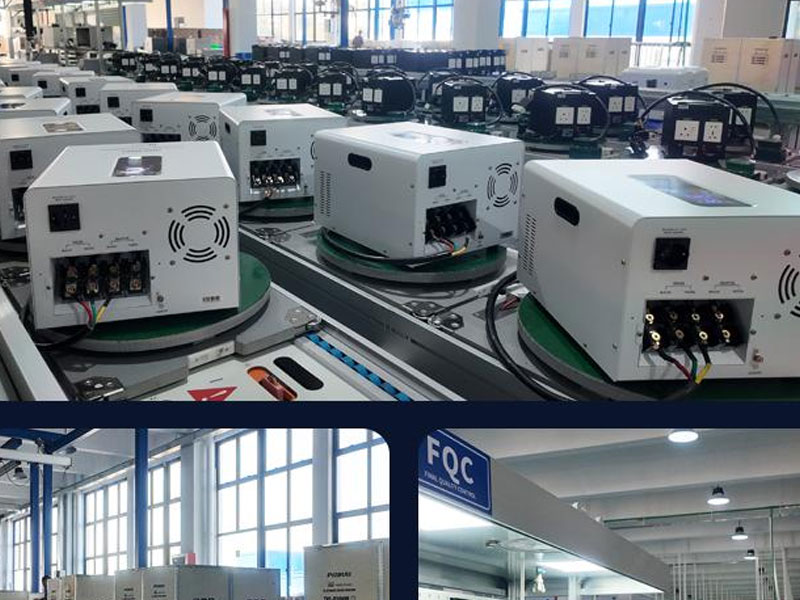
When we talk  about AVR, we are referring to Automatic Voltage Regulators. These devices are very important in industrial  power systems.  One of the biggest benefits of using AVRs is  that  they help to keep the  voltage steady. In an industrial setting, machines need a consistent voltage to work properly. If the voltage is too high or too low, it can cause machines to break down or not work efficiently. This can lead  to expensive repairs  and downtime. By using AVRs, companies can avoid  these problems. AVRs can also help to improve energy efficiency. When machines run smoothly with stable voltage, they use less energy. This means lower electricity bills for businesses. Additionally, having a reliable  power supply can  boost productivity. Workers  can complete their tasks without interruptions caused by power  issues. Another benefit of  using AVRs is that they protect sensitive  equipment. Many modern machines have electronic parts that can be damaged by  voltage spikes. AVRs help prevent these spikes,  ensuring that equipment lasts longer and works better. For  companies looking to  improve their power systems, using AVRs is a smart choice. At Hinorms, we  understand the importance of reliable power and offer quality AVR solutions that can help businesses thrive, including our SVC models.

How AVRs Enhance Power Quality and Reliability in Electrical Grids

AVRs play a key role in enhancing power quality and reliability in  electrical grids. Power  quality refers to how good the electricity is when it reaches homes and businesses. If the power is not  of good quality, it can lead to problems like flickering lights or equipment that does not work properly.  AVRs help to ensure that the voltage levels stay within a safe range. This means that when you turn on a  light or use a machine, it will work as expected. Reliability  is also  very important. People depend on electricity for  many things, like heating their homes, cooking food, and running businesses. If the power  goes out or is unstable, it can cause a lot of  frustration  and  lost time. AVRs help to  make  sure that the power supply is stable and reliable. They can  quickly  adjust the voltage  if there are any changes or problems. This fast response helps prevent outages and keeps the electricity flowing smoothly. At Hinorms, we know that both power quality  and reliability are crucial for happy customers. We design our  AVR systems to deliver  high-quality power, ensuring that everyone can enjoy electricity without worries. Explore our WTA series for more advanced options.

What is AVR and Its Role in Power System Stability?

The Automatic  Voltage Regulator, or AVR, is like a guardian for electricity. It watches over the voltage levels in a power system. When electricity  flows through power lines, sometimes the voltage can go up or down. This can  happen due to changes in how much power people are using or problems in the system. If the voltage is too high, it can hurt electrical devices,  and if it's too  low,  machines might not work at all. The  AVR steps in to help balance things out. It does this by sensing the voltage level and making quick adjustments. For example, if the voltage is too  high, the AVR can reduce the amount of electricity  being sent through. If the voltage is too low, it can increase the  flow. This automatic adjustment is what keeps the power system stable.  Without  an AVR, many devices would have a hard time functioning  correctly. Imagine if your video game console started acting weird because the power was unstable. That’s why having  a good AVR is so important! Hinorms provides AVRs that are built to  last and  work well  under different conditions. They help ensure that homes, businesses, and  factories get the right amount of power without interruptions. In simple terms, AVRs help keep  everything running smoothly  in the world of electricity. If you are looking for reliable solutions, consider exploring our TNS series.

Our Blog Posts

TCO Analysis: How an Industrial Voltage Stabilizer Pays for Itself in Energy Savings

31

Jan

TCO Analysis: How an Industrial Voltage Stabilizer Pays for Itself in Energy Savings

For center supervisors as well as plant operators, the quest of power effectiveness is a continuous harmonizing action in between in advance investment as well as long-term increase. While significant devices upgrade frequently control the conversati...
View More
Free-Standing Stabilizers for Gym Equipment: Safety Features

15

Jun

Free-Standing Stabilizers for Gym Equipment: Safety Features

Gyms are stressful places to work. Treadmills, ellipticals, stationary bikes, and all the other strength machines are pushed to the limit, around the clock. Power disturbances-caused by the grid, or other equipment starting and stopping-can cause da...
View More
How to Size a Voltage Stabilizer: A Practical Guide for Distributors

08

Aug

How to Size a Voltage Stabilizer: A Practical Guide for Distributors

Choosing the right voltage stabilizer is not only a technical decision. For distributors, it also affects customer satisfaction, after-sales costs and the competitiveness of the local product range. A stabilizer that is too small may trip when an ai...
View More
Voltage Stabilizer vs UPS vs Surge Protector: What Is the Difference?

08

Aug

Voltage Stabilizer vs UPS vs Surge Protector: What Is the Difference?

Power protection is not a single problem. Some customers lose power completely. Others experience short voltage spikes. But in many markets, the most common problem is different: electricity is still available, yet the voltage is too low, too high o...
View More
AVR in Power Systems for Stability and Reliability

Let’s Build Business Together — For Distributors, Dealers & Partners

We warmly welcome inquiries from distributors and business partners. Retail services are not available at this time. Thank you for your understanding.
Name
Email
Company
Phone/WhatsApp
Message
0/1000