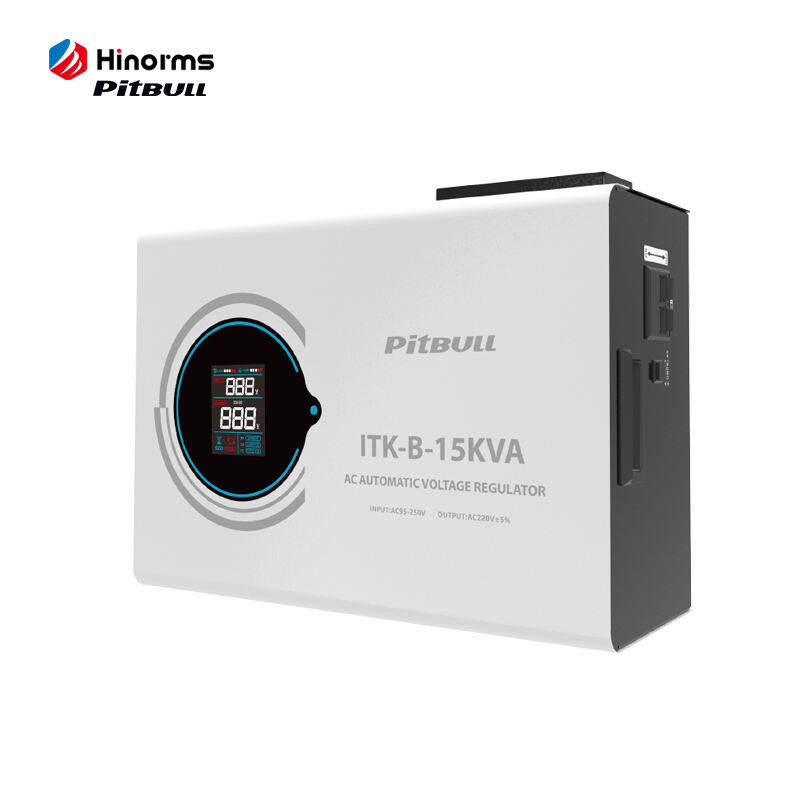
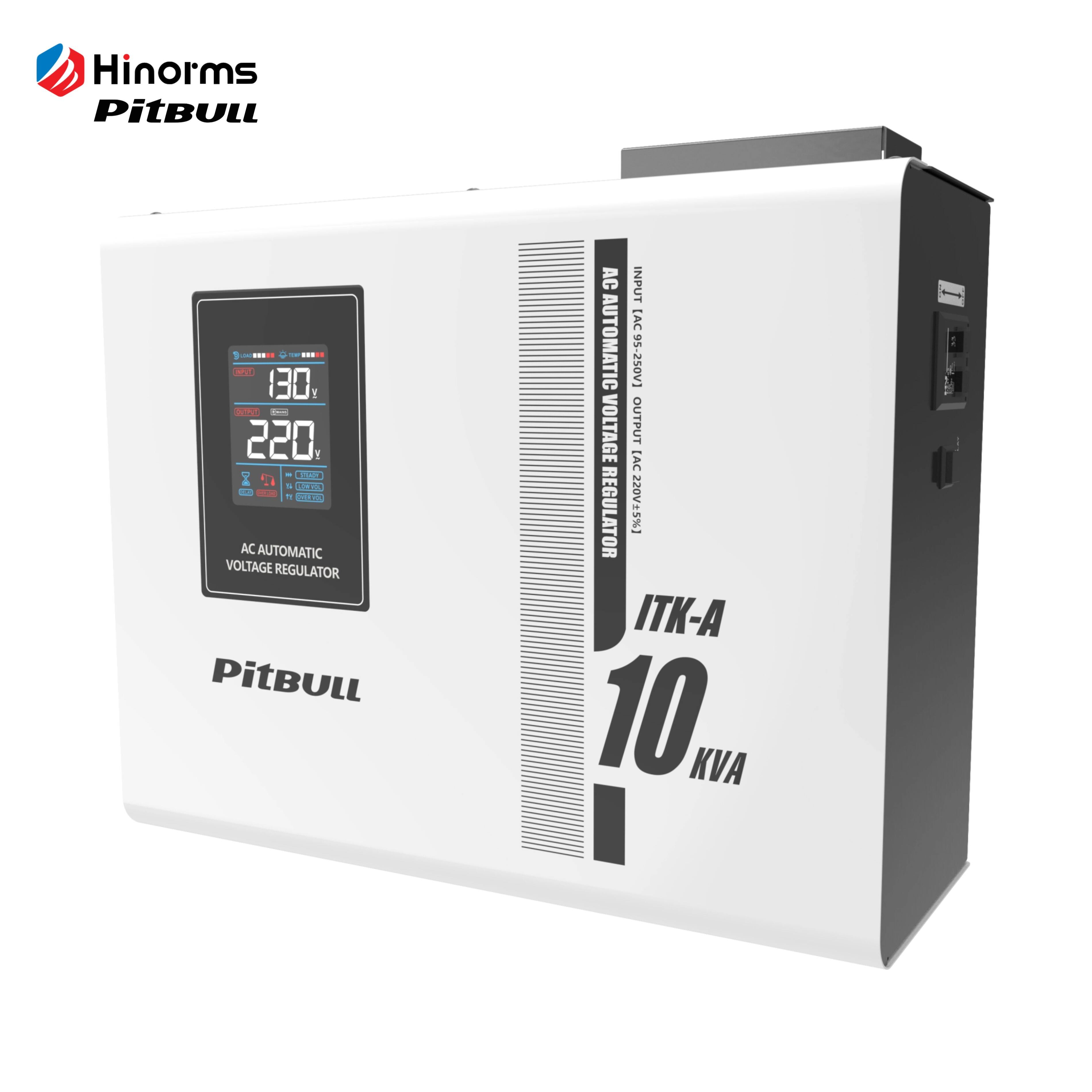
A primary advantage of utilizing Servo Motor Type Voltage Regulator UVC Series is the possibility of enhancing ACCU / battery life. You prevent your instrument to suddenly switch off due to fluctuations in power, because this adapter stabilizes at a constant voltage. This is particularly valuable in appliances that need continuous power such as smartphones, tablets, and laptops.
Just like you can’t operate at peak performance when you are low on battery, your gadgets won’t function well either. This may impact the overall performance and longevity of the battery. But with a low dropout voltage regulator, you are guaranteed that your tools are getting the amount of power that is just right for it to work effectively.
With a stable outpu Low dropout voltage regulator could low your power consumption too and care more years of your battery, also this functions as a great guard for your devices0ut voltage, this LDO regulator can support you 5V to the USB directly. This comes in especially handy when you’re on the move and can’t find a source of power to juice up your gear.
Voltage drop is a known problem in electronic equipment which is often a result of the input voltage being too low in order to keep a constant output voltage. This may affect how well your devices perform or how reliable they are. But with the help of a low dropout voltage (LDO) regulator, you can efficiently reduce all worries about the problem of voltage drop and keep devices functioning at capacity.
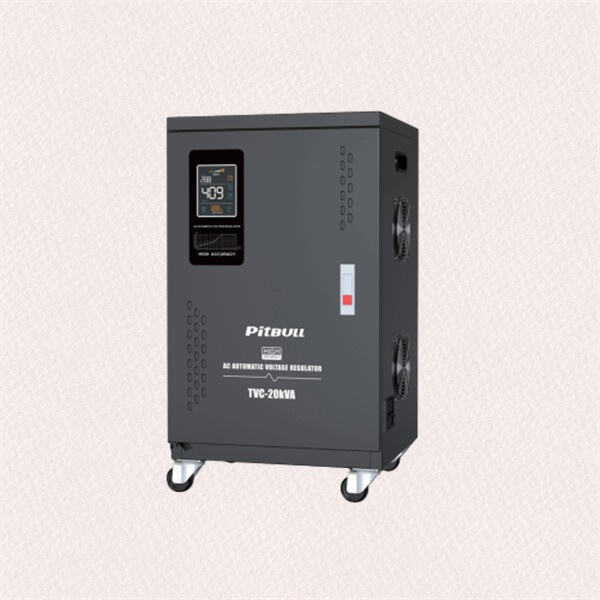
A low dropout voltage regulator can maintain a stable output voltage no matter how much the input voltage is lower than the output voltage. This can help avoid voltage drops to maintain the ability to power your devices when at the same time a continuous stream of power is required to ensure they perform to the best of their ability. It can be especially useful for your ‘iOT’ projects that don’t otherwise have a power switch.
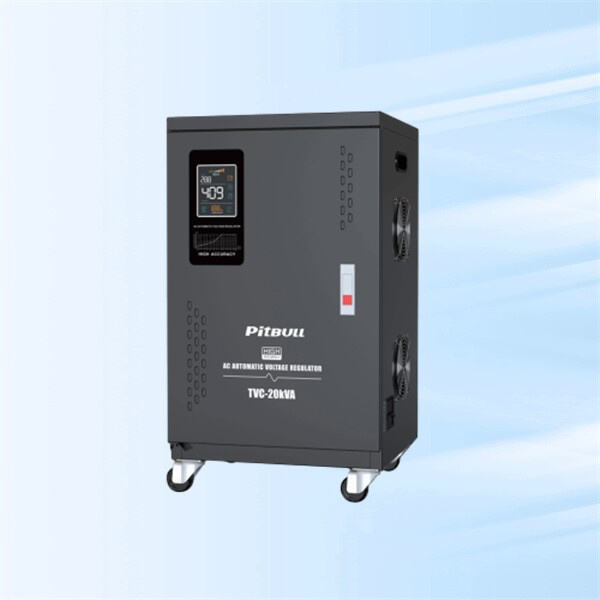
When selecting a low dropout voltage regulator for your design, there are a few things to take into account. The dropout voltage in the regulator is one thing to consider about, however. This is the smallest difference between the input and output voltages that your regulator can tolerate in order to work as expected.
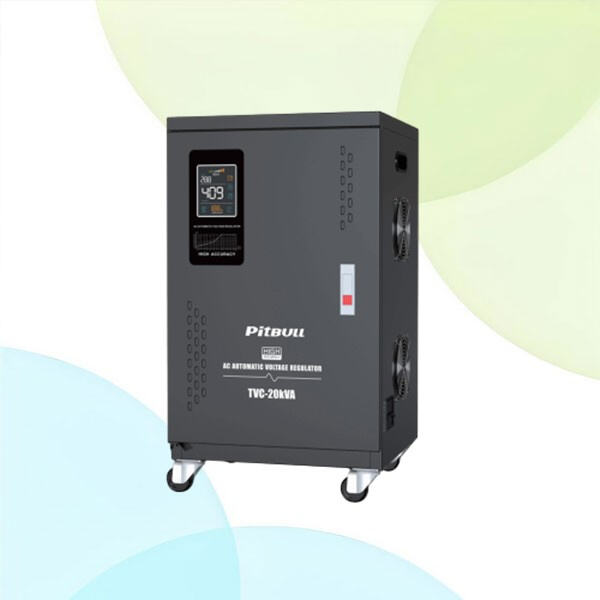
You must also take in consideration the output voltage, current capability and thermal behavior of the regulator. These elements will guarantee the regulator fits the specific demands of your application and offers the steady power supply that your components need to perform efficiently.

Hinorms manufactures thyristor, servo, and relay voltage stabilizers with 20+ years of experience, in-house design, and advanced control software.
No. 30, Panlong South Road, Qujiang District, Quzhou City, Zhejiang Province, China
Copyright © Quzhou Sanyuan Huineng Electronic Co., Ltd. All Rights Reserved Privacy Policy
 EN
EN