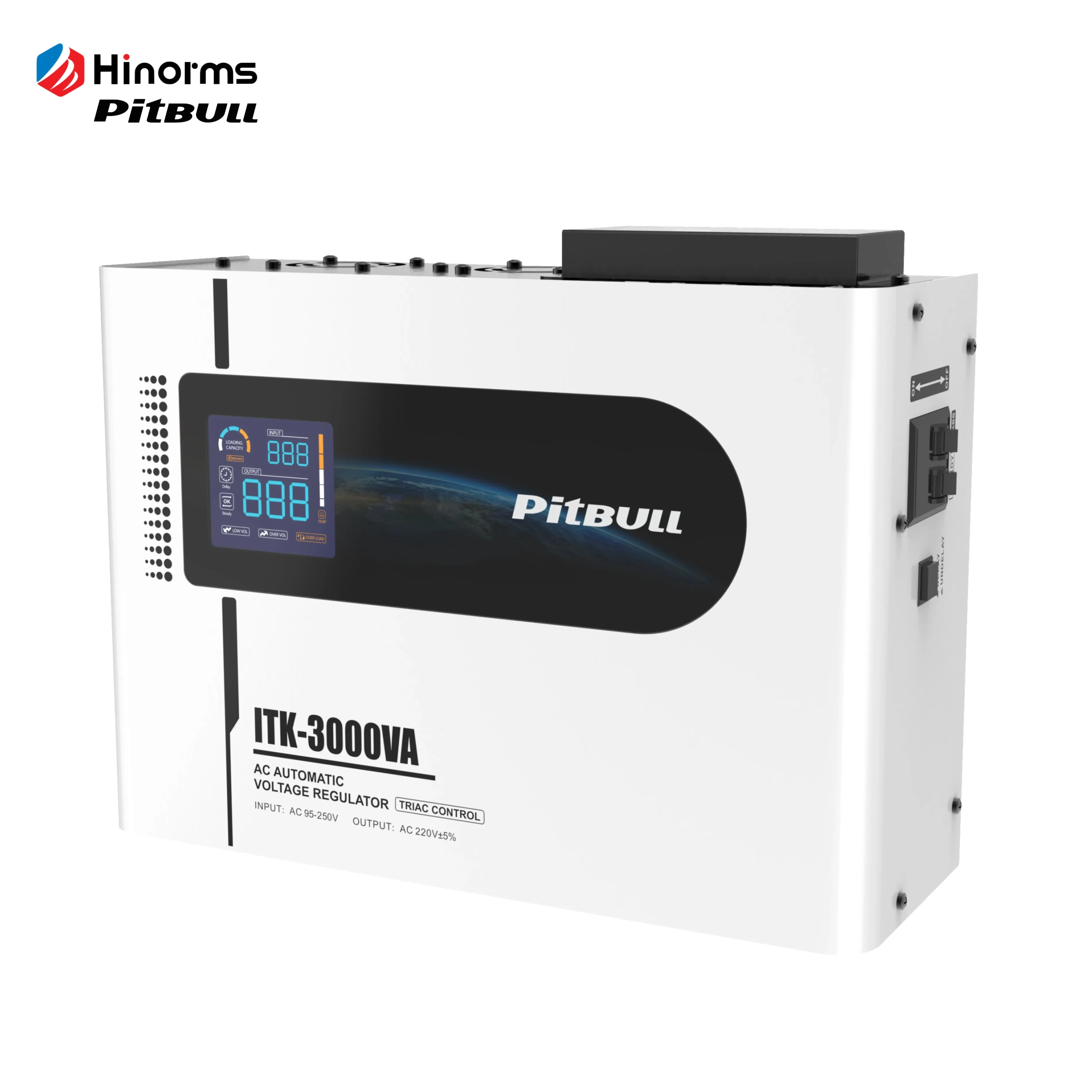
Introduction Although it can be a bit overwhelming to understand the ereics of The basic theory of thyristor voltage regulation can be a bit difficult to grasp at first especially when we have a generator or a transformer energized but with a little explanation, it becomes easy clear how vital this technology is in regulating the flow of electric power in a number of systems. Imagine, to row at an optimum speed, you and your fellow rowers could adjust the flow of the stream so you not only rowed with the water, but allowed water to surge past you, speeding up your journey downstream. It’s an odd analogy. What does it even mean? In short, a thyristor is like a switch that can switch on and off very quickly in order to control the voltage of electrical currents. This is important to maintain a constant flow of electricity, and to prevent spikes or dips in power.
There are many benefits to using thyristor technology for voltage control. One of the best things about it is the power management. Voltage levels can be changed so that electricity can be conserved, and the electricity costs can also be minimized using a thyristor voltage regulator. Moreover, thyristors have a reputation for reliability and longevity, which is why they are commonly used in numerous industries where continuous power supply is critical.
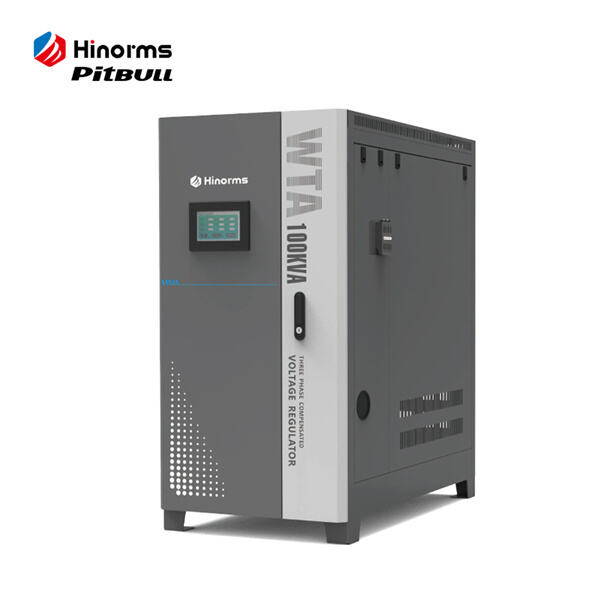
It is important to know how thyristor voltage regulators enhance system stability. Thyristors make sure that the voltage on an electrical system is continuously checked and regulated to prevent power outages. That’s vital in sectors where even a small voltage drop can cause equipment to fail or prevent production from continuing. In the presence of thyristor voltage regulators, system stability is preserved, and the operations can proceed smoothly without problems.
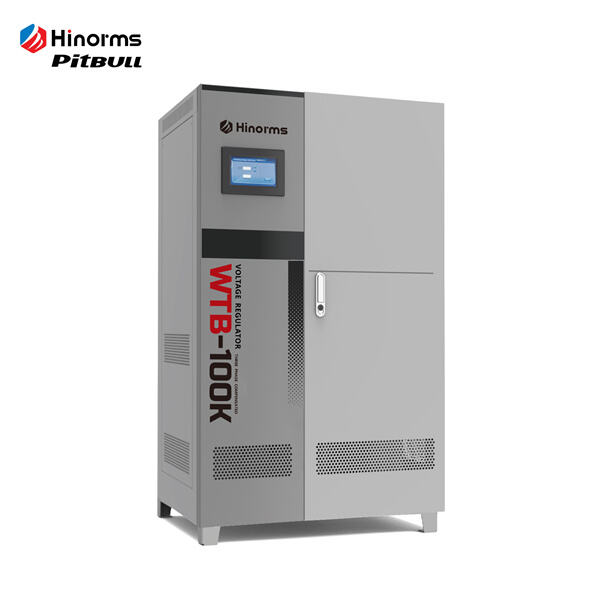
There are various types of thyristor voltage regulators and it’s really amazing how these things work. There are many types of thyristors with their own characteristics and uses. For instance, SCRs are often used in high power applications, and triacs are well suited for use in controlling AC circuits. Understand the various types of thyristors is the only way companies like Hinorms are able to select the proper voltage regulator for their company application.
The resolution of problems that are related to thyristor voltage control becomes very important in industry, in order to maintain continuous products. One of the more typical problems is the generation of excess heat as voltage is monitored and adjusted which may lead to overall system performance problems. Heat sinks and cooling systems are also provided to the thyristor voltage regulator to dissipate heat for avoiding overheating. In practice, proper maintenance and inspection of thyristor regulator may make any failure occur at the beginning and avoid a big incident in the system.

Hinorms manufactures thyristor, servo, and relay voltage stabilizers with 20+ years of experience, in-house design, and advanced control software.
No. 30, Panlong South Road, Qujiang District, Quzhou City, Zhejiang Province, China
Copyright © Quzhou Sanyuan Huineng Electronic Co., Ltd. All Rights Reserved Privacy Policy
 EN
EN