 EN
EN

Constant and uncontaminated power is not a luxury in the strenuous environment of industrial production, but a bare necessity. Voltage fluctuation, sags and surges have the capability of crippling production lines without a murmur and causing expensive production downtime, equipment destruction and compromised quality of products. To facility managers and engineers, it is always a priority to ensure that power is stable. Here, the strong effect of a Three-Phase Voltage Stabilizer is the provision of operational strength. At Quzhou Sanyuan Huineng Electronic Co., Ltd., we have been able to personally observe how our high-tech WTA series stabilizers change business in the world of different manufacturing industries.
The Critical Need for Voltage Stability in Industrial Environments
Plants that manufacture are intensive ecosystems in terms of power. CNC machines, compression, injection molders, and assembly line motors, among other heavy machinery, are very sensitive to even a slight voltage variation. Sensitive power may result in instant trips and shutdowns discontinuing continuity. These changes over time cause cumulative stress on the windings of the motor and delicate control electronics and reduce equipment life significantly as well as raising the cost of maintenance. Moreover, unstable power may interfere with the accuracy of automated systems and result in flaws and wastes. One preemptive measure that could be taken to protect the whole operation against the uncertainty of the grid and internal power network interference is the use of a three-phase stabilizer to ensure that all machines get to the correct voltage that they were built to operate on.
Real-World Impact: Case Study Scenarios
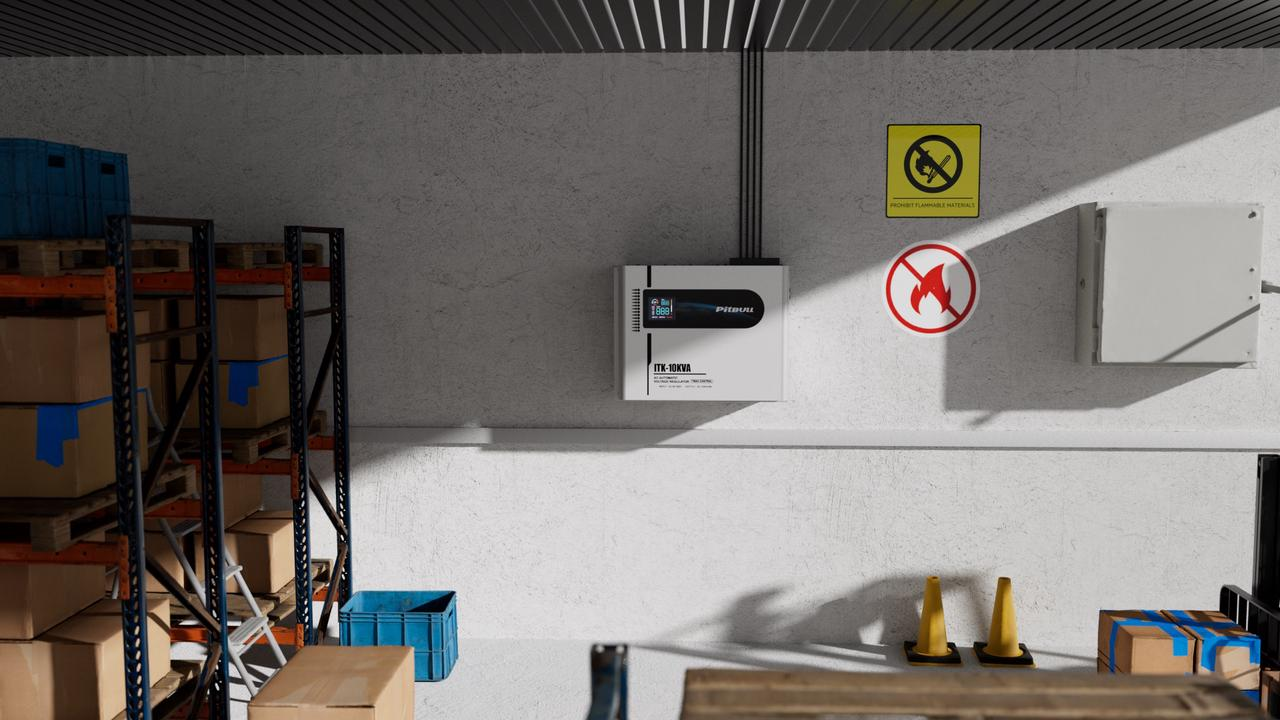
Theoretical advantages of power stabilization are overwhelming but are realized at the workplace. Take an example of a medium sized injection molding facility. Prior to the introduction of WTA stabilizer, the facility had been having constant non-explainable failures with their hydraulic heating systems and temperature controllers so that the quality of the products and wastage of material was not always the same. The stabilizer worked well after the deployment to remove line noise and even compensated voltage drops at the peak machine cycles. This gave a payback in just one year by saving on wastage of materials and maintenance in the form of reduced rejected batches and a marked reduction in replacement of heater elements.
With another case, a food processing plant with massive refrigeration and packaging lines was experiencing problems with motors burning out too soon. The issue was identified to be due to voltage spikes that happened when switching of big inductive loads were made in other areas of the facility. Their main distribution panel incorporated a three-phase stabilizer which acted as a constant buffer. This did not only remove the surge-related burnouts, but it also increased the efficiency of the refrigeration compressors in general and this translated to energy savings that could be measured, as well as equipment protection that became better.
Delivering Tangible Value Beyond Stabilization
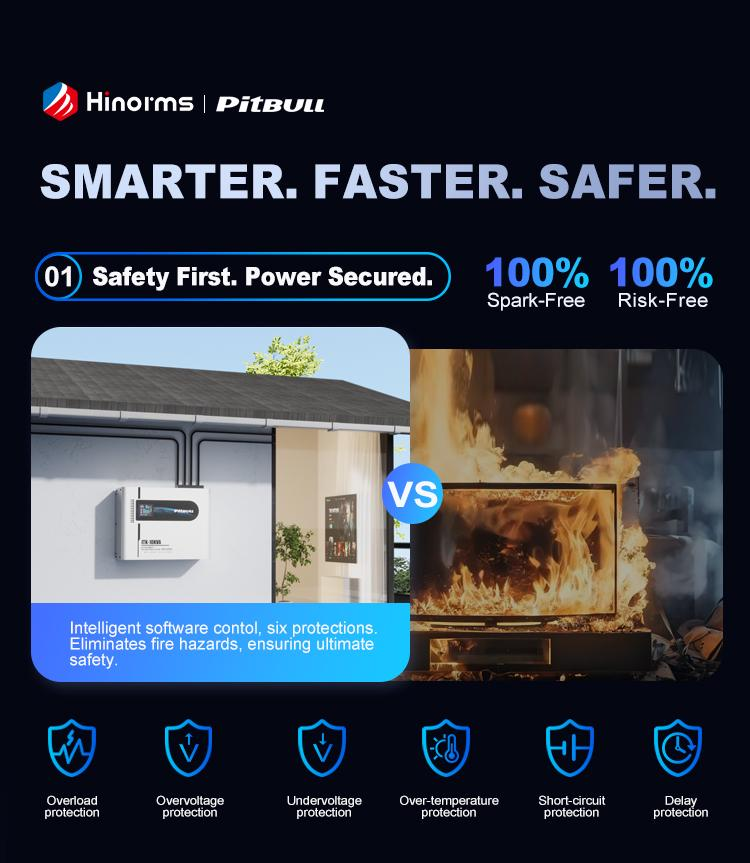
In the case of Quzhou Sanyuan Huineng Electronic Co., Ltd., we do not just supply a product and that is it. Our WTA Three-Phase Stabilizers are planned as power integrity solutions. They are prepared with durable parts, and smart control systems and have a high level of reliability and quick correction rates even during harsh industrial environments. Our units are aimed at offering a smooth integration experience, low service and maintenance, and tranquility. The overall benefit to our clients is regarded in the continuous flow of their production process, the long lifespan of major assets, and the uniformity of their production. When we protect the pillars of their business, which is predictable power, then manufacturers will be able to concentrate on productivity, growth, as well as innovation.
The three phase voltage stabilizer is a good investment in the stability and future of your manufacturing business. It is a decisive action in the direction of avoiding the avoidable losses and creating a more efficient, reliable and competitive operation.