EN

Three phase AC regulators are essential devices in industrial and commercial applications, designed to maintain stable voltage levels in three-phase electrical systems. These regulators address common buyer concerns such as voltage fluctuations, energy efficiency, and equipment protection. This article aims to provide insights on key specifications, selection criteria, supplier sourcing, installation challenges and applications of three phase AC regulators, empowering buyers to make informed purchasing decisions.


How to Choose the Right Three Phase AC Regulator for Your Project
Choosing the right three phase AC regulator involves a careful assessment of your specific requirements. Here are some practical steps:
Assess Your Application Needs: Determine the voltage levels, load capacity, and specific requirements of the equipment you plan to connect. This understanding is vital for selecting a regulator that meets your operational needs.
Evaluate Environmental Conditions: Consider the installation environment, including temperature, humidity, and potential exposure to contaminants. These factors can influence the longevity and performance of the regulator.
Customization Requirements: If standard products do not meet your needs, inquire about customization options. A reputable manufacturer should be able to adapt the regulator to your specifications, such as different voltage outputs or additional features.
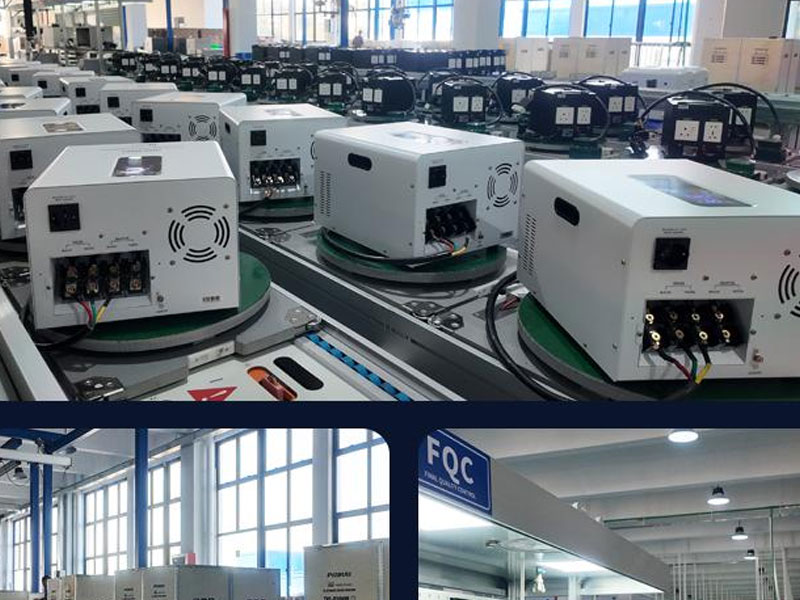
Supplier Reputation: Research potential suppliers, focusing on their manufacturing capabilities, quality control processes, and customer feedback. A supplier with a proven ac regulator record in producing reliable voltage stabilizers is preferable.
Request Samples: Before placing a large order, request samples to evaluate performance under your specific conditions. Testing a sample can help identify any potential issues before full production.