Key Aspects of 3 Phase Regulators for Buyers

All Categories

3 phase regulator

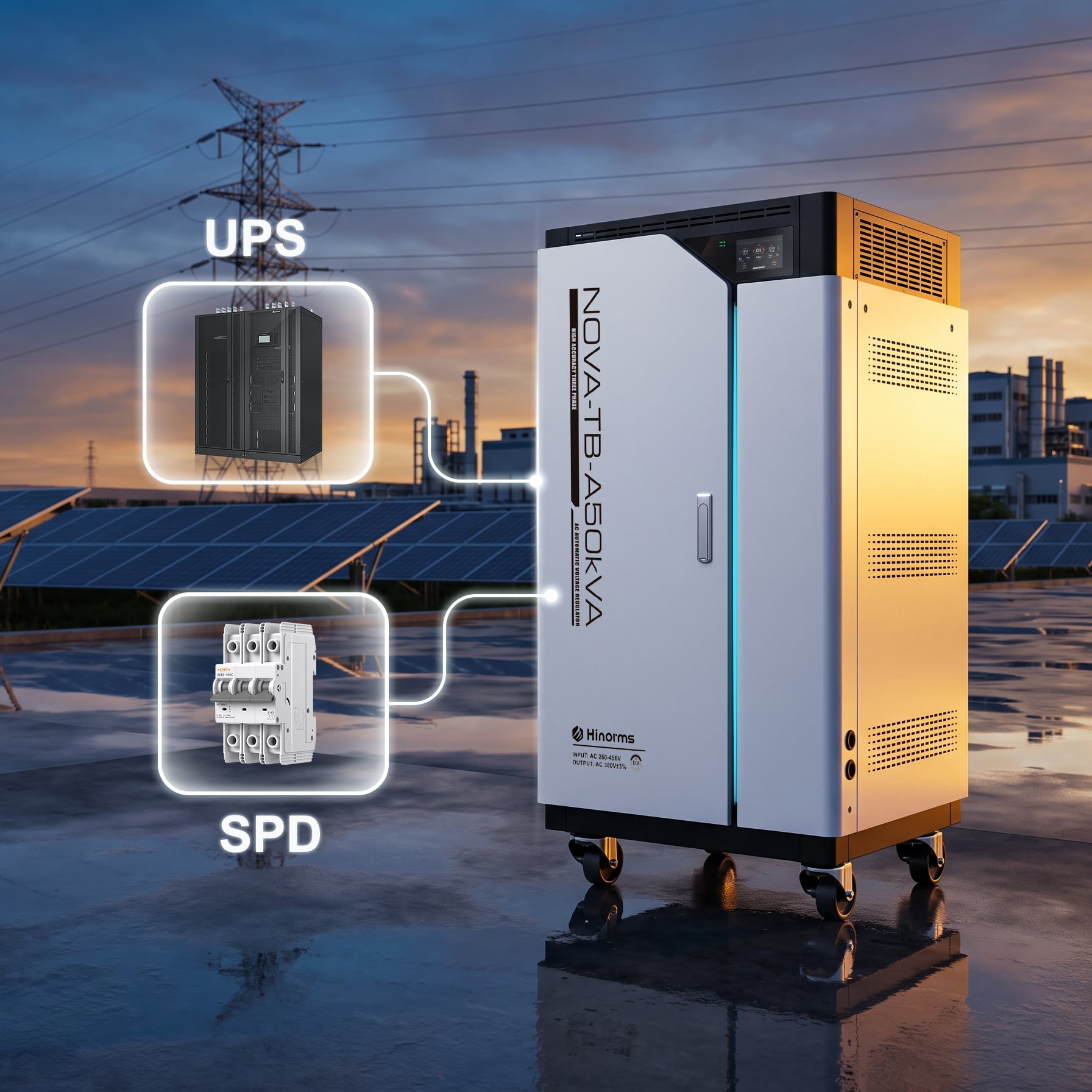
When it comes to ensuring stable and reliable electrical performance, a 3 phase regulator plays a crucial role in controlling voltage fluctuations in industrial and commercial applications. This article delves into the essential aspects of 3 phase power regulator that buyers need to consider, including specifications, quality control processes, common issues, various applications across industries, and key features to look for when making a selection. Understanding these factors can significantly impact purchasing decisions and the overall effectiveness of the electrical systems they are designed to protect. 

Understanding the Quality Control Process for 3 Phase Regulators

Quality control is paramount in the manufacturing of 3 phase regulators, given their critical role in electrical systems. A reputable manufacturer will have a comprehensive quality control process that includes: 

Material Inspection: Before production begins, raw materials are inspected for compliance with industry standards. High-quality components are essential for the reliability of the final product. 

In-Process Testing: During manufacturing, several tests are conducted at various stages to ensure that every component adheres to the specified standards. This may involve functional testing of circuit boards and other critical components. 

Final Testing: Once the regulator is assembled, final testing simulates operating conditions to ensure that it performs as expected. This includes checking voltage regulation accuracy, load handling, and response times. 

Traceability: A robust quality control process includes the traceability of each unit, allowing manufacturers to track components back to their source. This is crucial for accountability in case of defects or failures. 

Certification Compliance: Manufacturers should adhere to relevant industry standards and certifications. This not only ensures product quality but also builds trust with buyers by demonstrating compliance with safety and performance criteria. 

By understanding and verifying the quality control processes employed by manufacturers, buyers can make informed decisions and minimize risks associated with product failures. 
Common Problems with 3 Phase Regulators and Their Solutions

While 3 phase regulators are designed for durability and reliability, buyers should be aware of common problems that may arise and how to address them: 

Voltage Regulation Failure: If the regulator fails to maintain the desired voltage levels, it may indicate issues with internal components or control systems. Routine maintenance checks and timely replacement of faulty components can resolve this issue. 

Overheating: Regulators can overheat due to excessive load or poor ventilation. Ensuring adequate cooling and adhering to load specifications can prevent overheating and prolong the unit's lifespan. 

Electrical Noise: Some regulators may introduce electrical noise into the system, affecting sensitive equipment. Using high-quality components and shielding techniques can mitigate noise issues. 

Physical Damage: Accidental impacts or exposure to harsh environmental conditions can damage the regulator. Regular inspections and proper installation can help identify vulnerabilities and protect the unit. 

Calibration Drift: Over time, calibration can drift, leading to performance issues. Regular recalibration and testing against known standards can maintain accuracy. 

By proactively addressing these issues, buyers can enhance the longevity and performance of their 3 phase regulators. 

Applications of 3 Phase Regulators in Various Industries

3 phase regulators find applications across many industries, each with unique requirements. Here are some common sectors and their specific needs: 

Manufacturing: In manufacturing plants, 3 phase regulators help stabilize voltage for machinery, reducing downtime and preventing equipment damage. They are crucial in environments with fluctuating power supply. 

Telecommunications: Regulators ensure that telecommunications equipment operates reliably, safeguarding sensitive components from voltage spikes that could disrupt service.  

Data Centers: Data centers rely on precise voltage regulation to maintain the performance of servers and networking equipment. Any fluctuation can lead to data loss or downtime, making regulators essential.  

Healthcare: Medical equipment often requires stable power to function safely. 3 phase regulators help maintain consistent voltage levels, ensuring the reliability of critical devices. 

Commercial Facilities: In commercial buildings, these regulators protect HVAC systems, lighting, and other electrical infrastructure, contributing to energy efficiency and operational continuity. 

Understanding the diverse applications of 3 phase regulators allows buyers to appreciate the importance of selecting the right solution for their specific industry needs. 

Features to Look For in Your Selection

When selecting a 3 phase regulator, certain features can significantly enhance performance and reliability: 

Digital Displays: A regulator with a digital display allows for real-time monitoring of voltage levels and system status, enabling quick diagnostics and adjustments. 

Remote Monitoring Capabilities: Some advanced regulators offer remote monitoring features, allowing operators to check performance and receive alerts from a distance, which is especially beneficial for critical applications. 

Built-in Protection Mechanisms: Look for regulators equipped with surge protection, over-voltage, and under-voltage protection. These features help safeguard connected equipment from unexpected power surges. 

Modular Design: A modular design can simplify upgrades and maintenance, allowing for the replacement of specific components without the need for complete unit replacement. 

Customizable Settings: Features that allow for customization based on specific operational needs can enhance flexibility and performance in unique applications. 

By focusing on these features, buyers can ensure that their chosen 3 phase variable voltage regulator aligns with their operational requirements and enhances the reliability of their electrical systems. 

Selecting the right 3 phase regulator is critical for ensuring stable electrical performance across various applications. By considering specifications, quality control processes, common problems, industry applications, and key features, buyers can make informed decisions that benefit their operations. 

Key Specifications to Consider When Buying 3 Phase Regulators

When evaluating 3 phase regulators, several key specifications must be scrutinized to ensure optimal performance in your specific application. 

Voltage Range: Determine the voltage range that the regulator can handle, as it should match the operational requirements of your equipment. Mismatched voltages can lead to equipment failure or inefficiency. 

Load Capacity: Consider the load capacity of the regulator, expressed in kVA (kilovolt-amperes). It is essential to select a 3 phase voltage regulator that can accommodate the total load of your connected devices without overloading. 

Response Time: The response time of the regulator affects how quickly it can react to voltage fluctuations. A quicker response time ensures that sensitive equipment is protected from sudden surges or drops. 

Regulation Accuracy: Look for specifications that indicate the precision of voltage regulation. High accuracy is particularly important for sensitive electronic equipment that can be adversely affected by even minor voltage changes. 

Durability and Environmental Ratings: Assess the materials and construction standards. Regulators may need to operate in harsh environments, so understanding their resistance to temperature, humidity, and dust is vital. 

Control Technology: Explore the type of control technology used, such as microprocessor-based systems. These often provide enhanced monitoring capabilities and improved performance. 

Assessing these specifications helps buyers ensure that the selected 3 phase regulator meets the specific needs of their operations while providing reliable performance. 

Frequently Asked Questions

What is a 3 phase regulator used for?

A 3 phase regulator stabilizes and maintains consistent three-phase voltage to protect industrial motors and equipment from voltage fluctuations and ensure efficient operation.
Customizable ranges are available; typical models support common local three-phase voltages. Contact us with site details for exact configuration and traceable specs.
Yes. We provide tailored solutions, developing core components in-house and adjusting control software and hardware to meet your local power and equipment needs.
All units undergo advanced software control, comprehensive in-house testing, and full traceability. We follow national standards we helped draft to guarantee reliable performance.
We supply full technical specifications, test reports, traceability records, and offer installation guidance, commissioning support, and responsive technical service.

Our Blog Posts

How to Choose the Right 220V Voltage Stabilizer for Your Equipment?

18

Nov

How to Choose the Right 220V Voltage Stabilizer for Your Equipment?

A steady energy source is actually the lifeline of contemporary digital devices. Voltage changes, whether surges or even droops, can easily trigger permanent damages towards delicate gadgets, resulting in expensive repair work, in...
View More
Stabilizer Voltage Regulator Maintenance Tips to Extend Lifespan

10

Dec

Stabilizer Voltage Regulator Maintenance Tips to Extend Lifespan

At Quzhou Sanyuan Huineng Electronic Co., Ltd., our function as a drafter of nationwide market requirements equips our team along with a deeper comprehending of exactly just what contemporary production really needs. In today's globe, where accuracy ...
View More
SCR vs. Servo Voltage Stabilizers: Which Technology Is Right for Your Industry?

06

Mar

SCR vs. Servo Voltage Stabilizers: Which Technology Is Right for Your Industry?

In the modern industrial environment, the reliability of your power supply is what directly determines productivity and the life cycle of equipment. One of the most frequent problems is the voltage fluctuations, and the selection of a stabilization ...
View More
Voltage Stabilizer vs UPS vs Surge Protector: What Is the Difference?

08

Aug

Voltage Stabilizer vs UPS vs Surge Protector: What Is the Difference?

Power protection is not a single problem. Some customers lose power completely. Others experience short voltage spikes. But in many markets, the most common problem is different: electricity is still available, yet the voltage is too low, too high o...
View More

Let’s Build Business Together — For Distributors, Dealers & Partners

We warmly welcome inquiries from distributors and business partners. Retail services are not available at this time. Thank you for your understanding.
Name
Email
Company
Phone/WhatsApp
Message
0/1000

Related product categories

Key Aspects of 3 Phase Regulators for Buyers

Let’s Build Business Together — For Distributors, Dealers & Partners

We warmly welcome inquiries from distributors and business partners. Retail services are not available at this time. Thank you for your understanding.
Name
Email
Company
Phone/WhatsApp
Message
0/1000