EN

Voltage stabilizers are essential components in maintaining the efficiency and lifespan of air conditioning systems. They regulate voltage fluctuations, ensuring that AC units operate within optimal parameters. As a B2B buyer, your primary concerns revolve around selecting the 5kva stabilizer for AC systems that not only meets performance standards but also aligns with your budget and application needs. This article aims to guide you through evaluating, purchasing, and utilizing voltage stabilizers effectively.
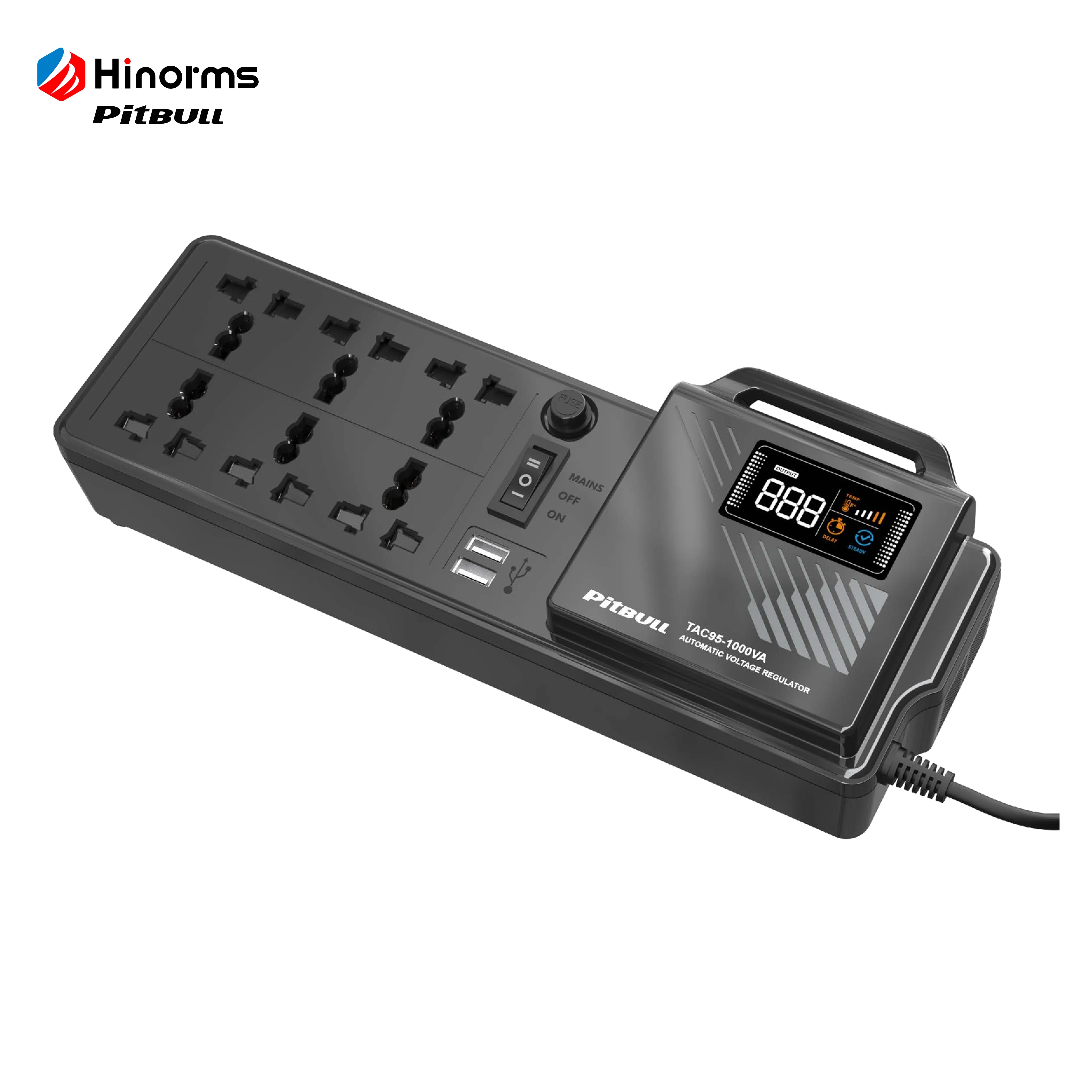
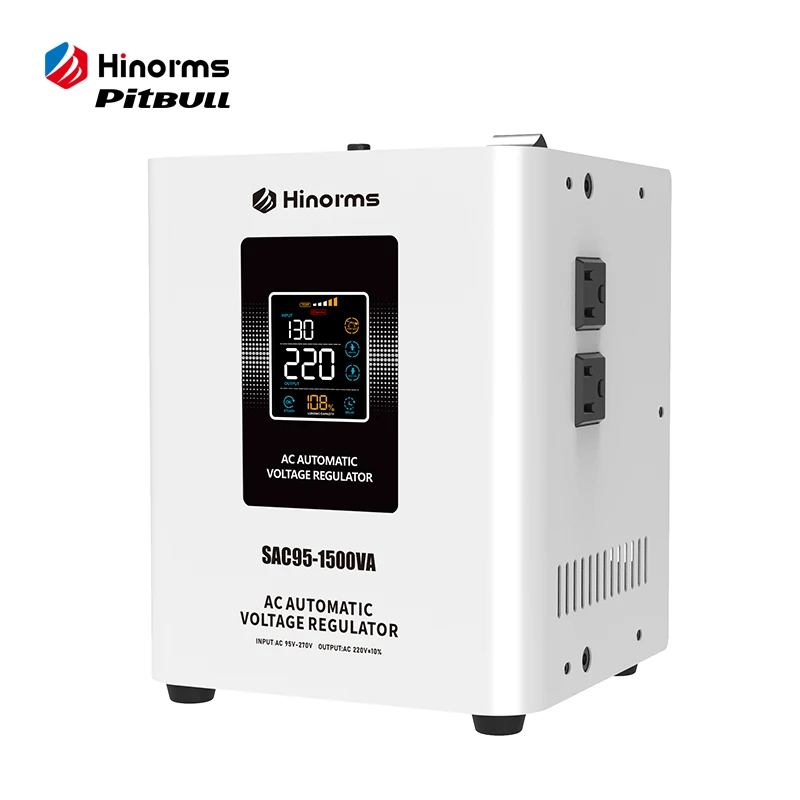
Where to Source Reliable AC Stabilizers for Your Projects
Understanding key specifications is vital to selecting the best stabilizer for AC applications. Critical specifications include:
Voltage Input Range: This indicates the range of input voltages the stabilizer can accommodate. Ensure it matches the electrical supply in your operational area.
Output Voltage Stability: Look for stabilizers that maintain a stable output voltage under varying load conditions. The ideal stabilizer should provide consistent output regardless of fluctuations in input voltage.
Response Time: This measures how quickly the stabilizer can adjust to changes in voltage. A response time of less than 1 second is generally preferred for AC applications.
Load Capacity: This refers to the maximum load the automatic voltage stabilizer for home use can support. Make sure it aligns with the total power requirements of the AC units it will serve.
Efficiency Rating: Higher efficiency ratings indicate lower energy losses during voltage stabilization. This best stabilizer for AC is crucial not only for operational cost savings but also for minimizing the heat generated during operation.
Selecting a stabilizer with these specifications ensures that your AC units operate efficiently and reliably.