Choosing the Right Industrial Voltage Regulator

All Categories

Industrial voltage regulator

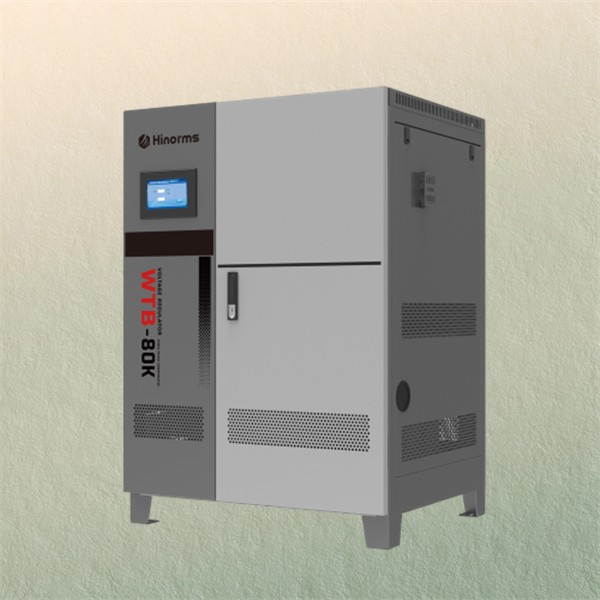
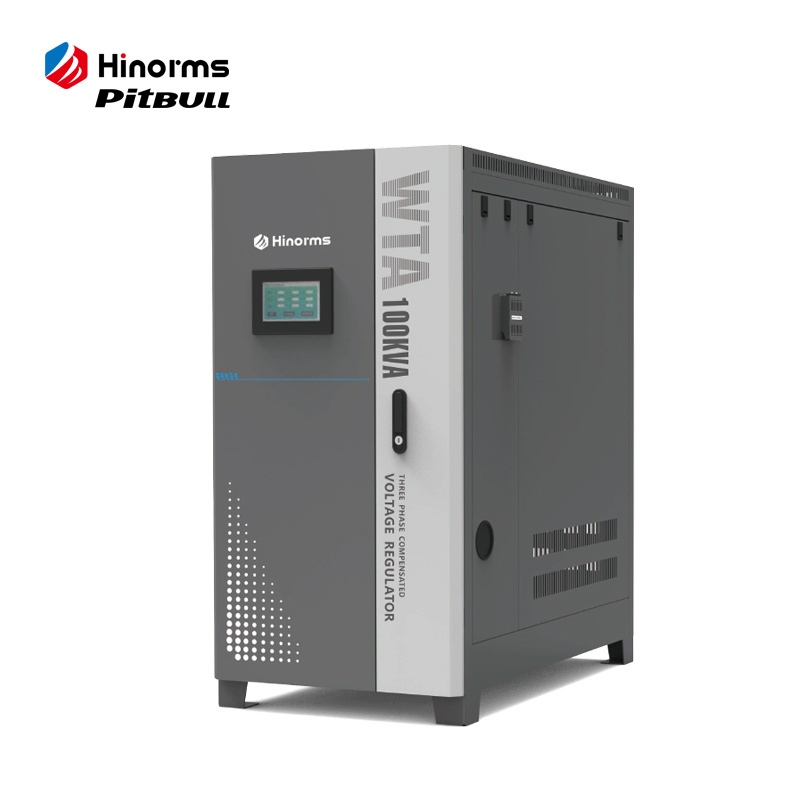
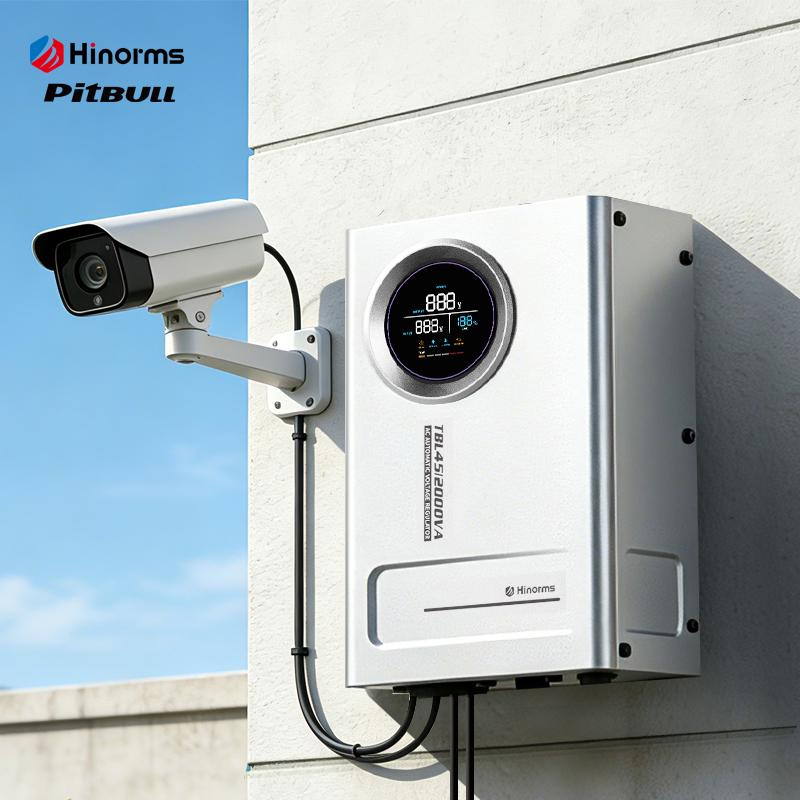
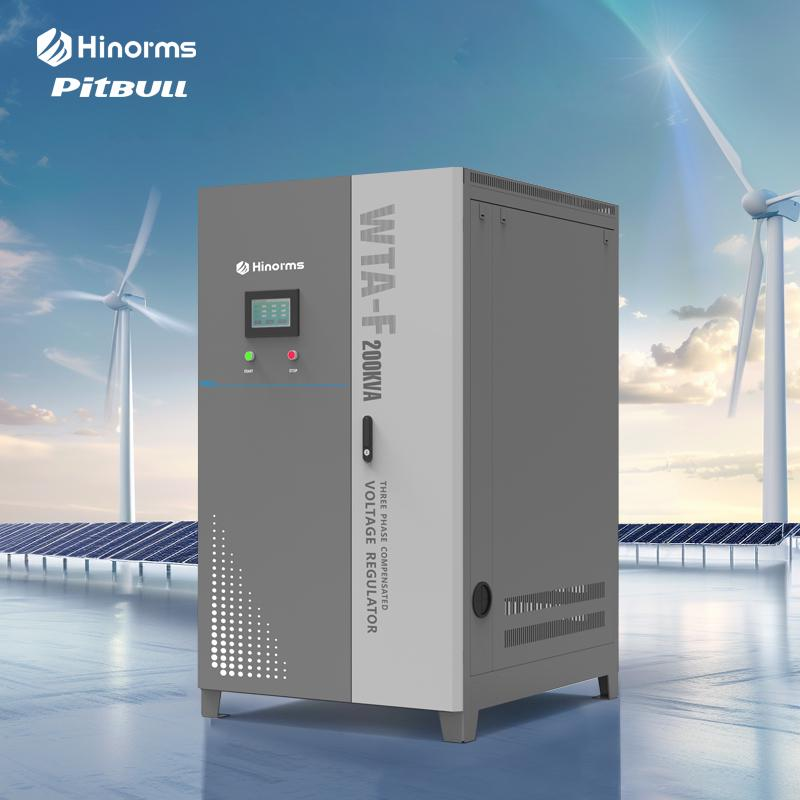
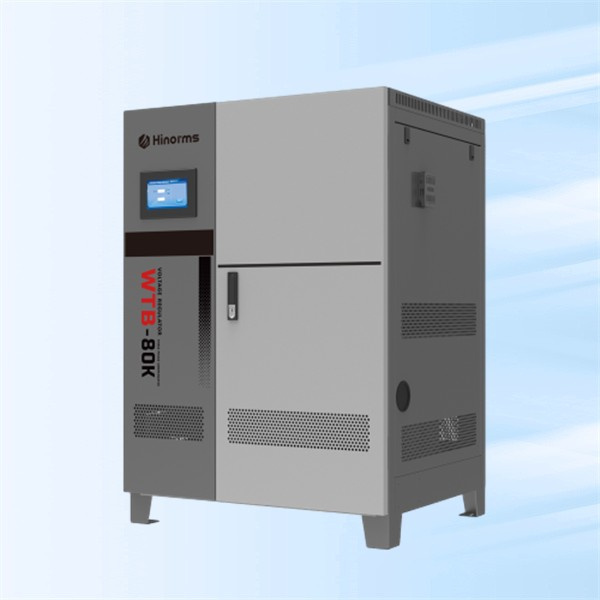
Industrial voltage regulators play a crucial role in maintaining stable voltage levels in various applications, ensuring that sensitive equipment operates efficiently without the risk of damage. For B2B buyers, particularly purchasing managers and engineers, key concerns revolve around performance reliability, compatibility with existing systems, and adherence to industry standards. This article will guide you through selecting the right industrial voltage regulator, evaluating key specifications, comparing quality standards, addressing common problems, and providing installation tips for optimal use.  
Key Specifications to Evaluate in Industrial Voltage Regulators

Key Specifications to Evaluate in Industrial Voltage Regulators

When evaluating industrial voltage regulators, several key specifications should be prioritized: 

Input and Output Voltage Range: Ensure the industrial voltage regulator can handle the voltage levels typical to your operation. 

Load Capacity: Check the maximum load the industrial voltage regulator can sustain, often stated in kilowatts (kW) or kilovolt-amperes (kVA). 

Response Time: The speed at which the industrial voltage regulator can adjust to voltage fluctuations is critical. A faster response time can protect sensitive equipment from transient conditions. 

Efficiency: Look for industrial voltage regulator with high efficiency ratings to minimize energy loss and operating costs. 

Control Method: Different control methods (such as linear, switching, or hybrid) will affect efficiency, heat generation, and suitability for various applications. 

Compliance with Standards: Verify that the regulator meets relevant industry standards (such as IEC, UL, or IEEE) to ensure quality and safety. 

Understanding these specifications allows you to match a regulator's capabilities with your specific operational requirements, minimizing the risk of performance issues. 
Comparing Quality Standards in Industrial Voltage Regulators

Comparing Quality Standards in Industrial Voltage Regulators

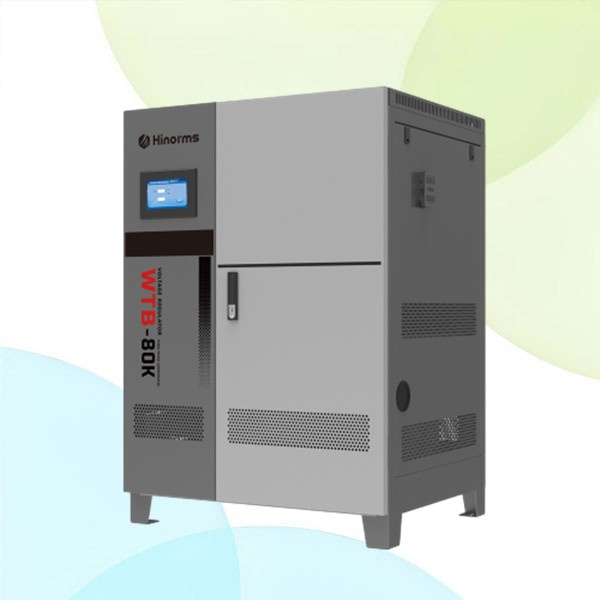
Quality standards are essential in ensuring the reliability and safety of industrial voltage regulators. When comparing products, look for certifications that demonstrate compliance with national and international standards. As an official drafter of national industry standards, we adhere to rigorous quality checks and testing protocols to ensure our products meet the highest benchmarks. 

Key quality standards to consider include: 

ISO Certifications: ISO 9001 certification indicates a commitment to consistent quality management systems. 

CE Marking: This shows compliance with European health, safety, and environmental protection standards.  

UL Listing: A UL-listed product has been tested for safety and performance under specific conditions. 

Understanding these standards helps buyers assess the reliability of the adjustable voltage regulator and the credibility of the manufacturer, reducing the risk of subpar products entering the supply chain. 

Common Problems with Voltage Regulators and Their Solutions

Common Problems with Voltage Regulators and Their Solutions

Despite their reliability, industrial voltage regulators can face several common issues that may impact their performance: 

Overheating: Excessive heat can lead to failures. Ensure proper ventilation and consider regulators with built-in thermal protection features. 

Voltage Fluctuations: If the regulator cannot maintain a stable output, check for compatibility issues with the load or consider upgrading to a more robust model. 

Noise and Distortion: Electrical noise can affect sensitive equipment. Using a regulator with filtering capabilities can mitigate this issue. 

Component Failure: Regular maintenance and monitoring can help identify signs of wear before they lead to complete failure. Implementing a predictive maintenance schedule can enhance the longevity of the regulator. 

By understanding these common problems and their solutions, buyers can take proactive measures to ensure the reliability and effectiveness of their voltage regulation systems. 

Installation Tips for Optimal Performance of Voltage Regulators

Proper installation is crucial to maximizing the performance of industrial voltage regulators. Here are some key tips: 

Follow Manufacturer Guidelines: Always adhere to the installation instructions provided by the manufacturer to ensure compliance with safety and operational standards. 

Check Environmental Conditions: Ensure the installation site meets the recommended environmental conditions, including temperature and humidity levels. 

Use Appropriate Wiring and Connectors: Select wiring and connectors that match the regulator’s specifications to prevent overheating and ensure safe operation.  

Conduct a Pre-Installation Check: Before installation, verify that all components are intact and functioning correctly. This includes performing continuity tests and checking for any physical damage.  

Test After Installation: Once installed, conduct thorough testing under operational conditions to confirm that the regulator performs as expected. Monitor voltage levels, response times, and any potential noise issues. 

By following these installation tips, buyers can significantly enhance the reliability and efficiency of their industrial voltage regulators, ensuring they meet their operational demands effectively.  

How to Choose the Right Industrial Voltage Regulator for Your Needs

Choosing the right industrial voltage regulator requires a clear understanding of your specific application needs. Start by assessing the voltage and current requirements of your equipment. Determine the input voltage range and the desired output voltage stability. It’s also essential to consider the load type, whether it is resistive, inductive, or capacitive, as this will influence the regulator's performance. 

Additionally, evaluate the environment where the industrial voltage regulator will be used. Factors such as temperature fluctuations, humidity, and exposure to dust or corrosive substances can impact the performance and longevity of the industrial voltage regulator. If your application involves critical processes, opt for a model that offers redundancy and advanced features such as surge protection and remote monitoring capabilities. 

Customization options are also vital. Leading manufacturers, like us, can provide tailored solutions based on your specific power needs, ensuring that the voltage regulators integrates seamlessly with your existing systems. 

Frequently Asked Questions

What applications suit this industrial voltage regulator?

Designed for heavy-duty industrial equipment, production lines, motors, control cabinets, and sensitive instrumentation requiring stable voltage in fluctuating local power conditions.
We offer tailored voltage ranges, capacity ratings, control logic, enclosure types, and bespoke software settings to meet site-specific electrical needs with full traceability.
All core components are developed in-house, with advanced software control and comprehensive quality checks, ensuring high reliability and consistent performance.
We provide technical support, installation guidance, and a standard warranty covering manufacturing defects; extended service and maintenance packages are available on request.
As an official drafter of national industry standards, our units are built to meet or exceed regulatory requirements and are tested to comply with local industry norms.

Our Blog Posts

220V Voltage Regulators for Industrial Ovens: Temperature Consistency

18

Nov

220V Voltage Regulators for Industrial Ovens: Temperature Consistency

In the competitive field of industrial manufacturing, end quality is proportional to the precision of processing. When accurate temperature control isn’t a goal for facilities using industrial ovens such as processing plants involved in curing...
View More
Voltage Protectors for Security Cameras: Uninterrupted Surveillance

15

May

Voltage Protectors for Security Cameras: Uninterrupted Surveillance

Security cameras are the feedback system of a security apparatus - watching out for doors and windows, patrolling the perimeters and providing evidence. And the eyes go dim when the voltage goes down. A brief dip will reboot the system, and lose som...
View More
3 Phase Voltage Regulators for Wind Turbines: Output Stabilization

01

Jun

3 Phase Voltage Regulators for Wind Turbines: Output Stabilization

One of the quickest-growing renewable energy technologies is wind power; however it has a fundamental problem - it is not predictable. Output voltage from a wind turbine varies constantly in direct response to changes in wind speed, gusts and turbu...
View More
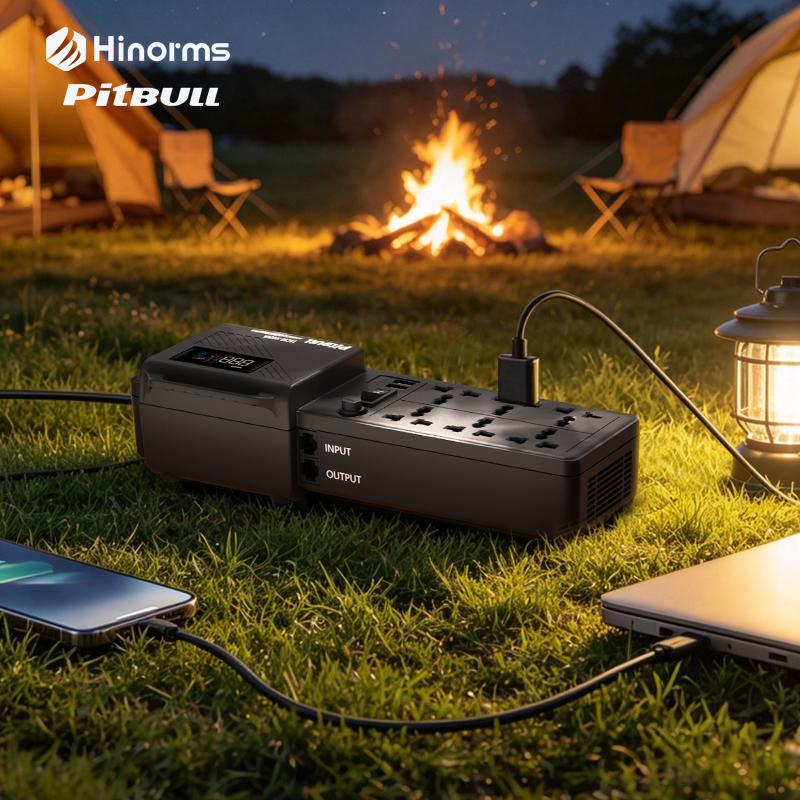
Socket-Style Voltage Regulators for Camping Gear: Portable Power Solutions

15

Jun

Socket-Style Voltage Regulators for Camping Gear: Portable Power Solutions

In today's world of camping, our electrical devices are going to be the largest part of your camping setup. Portable fridges, CPAPs, satellite communicators, drone charges, LED lights, you name it-whatever device you might bring, it's going to use ...
View More

Let’s Build Business Together — For Distributors, Dealers & Partners

We warmly welcome inquiries from distributors and business partners. Retail services are not available at this time. Thank you for your understanding.
Name
Email
Company
Phone/WhatsApp
Message
0/1000
Choosing the Right Industrial Voltage Regulator

Let’s Build Business Together — For Distributors, Dealers & Partners

We warmly welcome inquiries from distributors and business partners. Retail services are not available at this time. Thank you for your understanding.
Name
Email
Company
Phone/WhatsApp
Message
0/1000