Key Considerations for Low Voltage Stabilizers

All Categories

Low voltage stabilizer

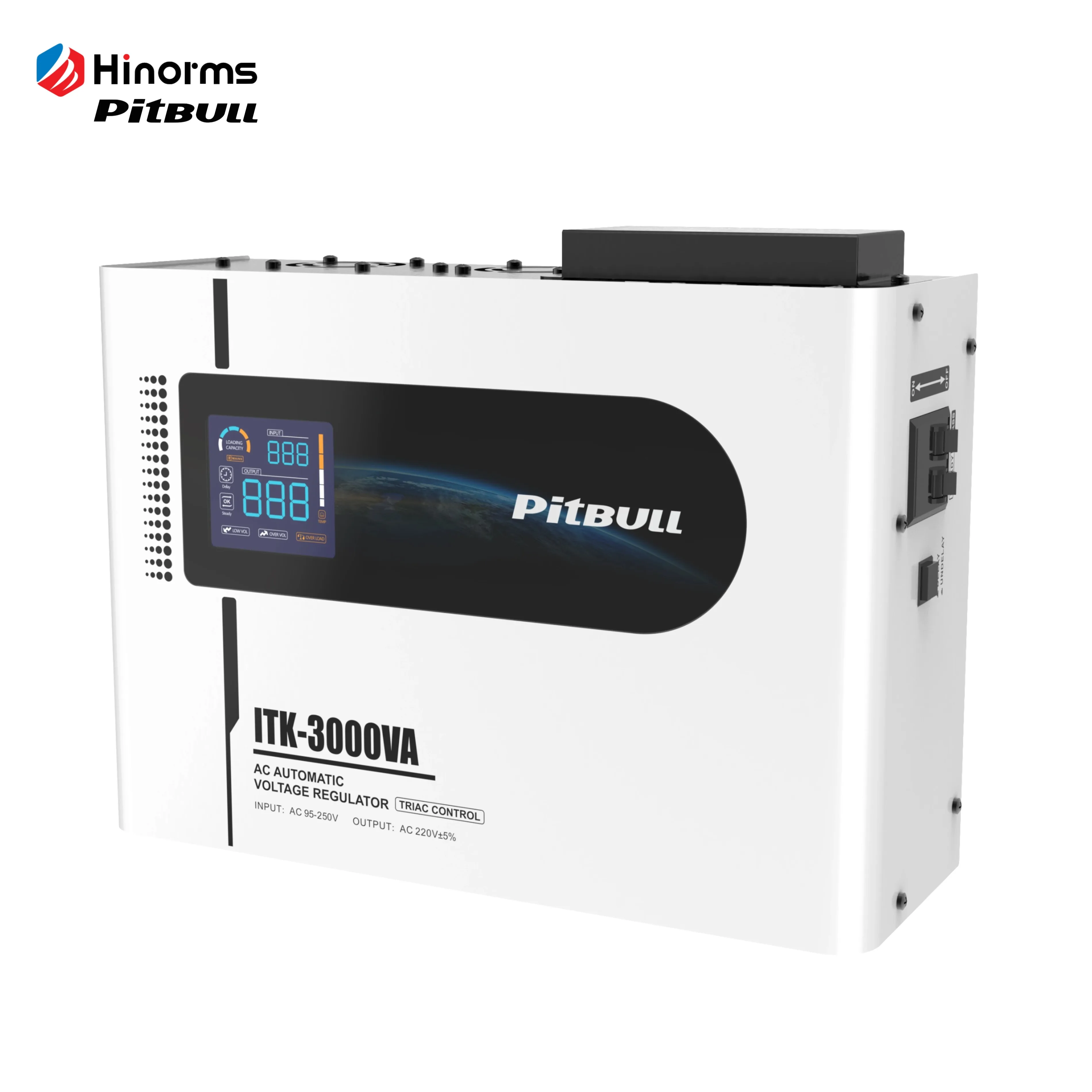
Low voltage stabilizers are essential devices designed to maintain a consistent voltage level in electrical systems, particularly in environments where voltage fluctuations can lead to operational inefficiencies or damage. For B2B buyers, understanding the specifications and quality evaluation of low voltage stabilizers is crucial for making informed purchasing decisions. This article will provide insights into selecting the right power voltage stabilizer, quality evaluation for bulk orders, installation guidance in industrial settings, common issues and solutions, and the various applications of low voltage stabilizers across different industries including Hinorms. 

Our Products

Evaluating the Quality of Low Voltage Stabilizers for Bulk Orders

When purchasing low voltage stabilizers in bulk, quality evaluation becomes increasingly significant. Here are some factors to consider: 

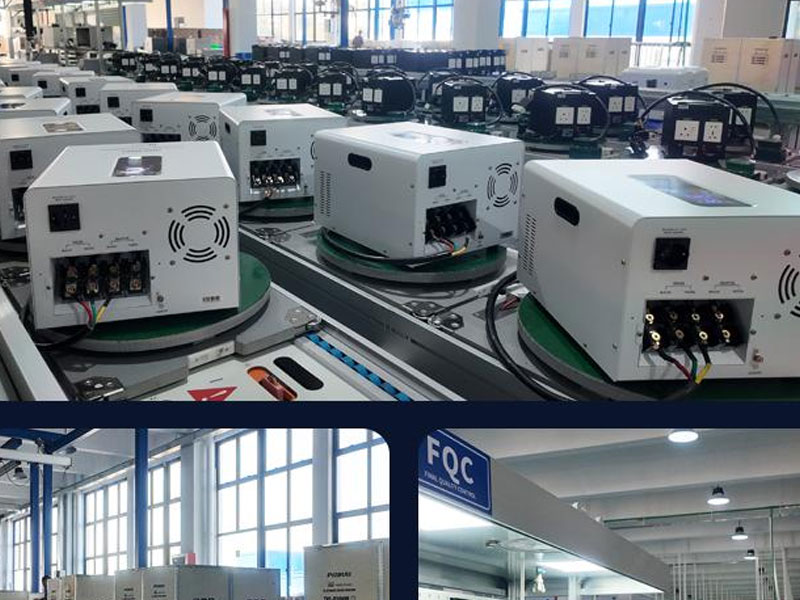
Manufacturing Processes: Investigate the manufacturing capabilities of your supplier. A reputable manufacturer should have a robust quality evaluation process, including in-house development of core components to ensure high performance and reliability. 

Certifications: Check for industry certifications that demonstrate compliance with national and international standards. Certifications can indicate adherence to quality management systems and safety protocols. 

Quality Control Checks: Ensure the supplier conducts thorough quality control checks throughout the production process. This includes testing for electrical performance, mechanical integrity, and safety standards. 

Traceability: Opt for suppliers that offer full traceability of every unit. This means you can track the manufacturing process, which is essential for quality assurance and accountability. 

Customer Reviews and Case Studies: Look for testimonials or case studies from other businesses that have utilized the supplier’s products. This can provide insights into the reliability and performance of the stabilizers in real-world applications of low voltage stabilizers. 

By focusing on these quality indicators, buyers can mitigate risks associated with bulk purchasing and ensure they receive products that meet their operational standards. 
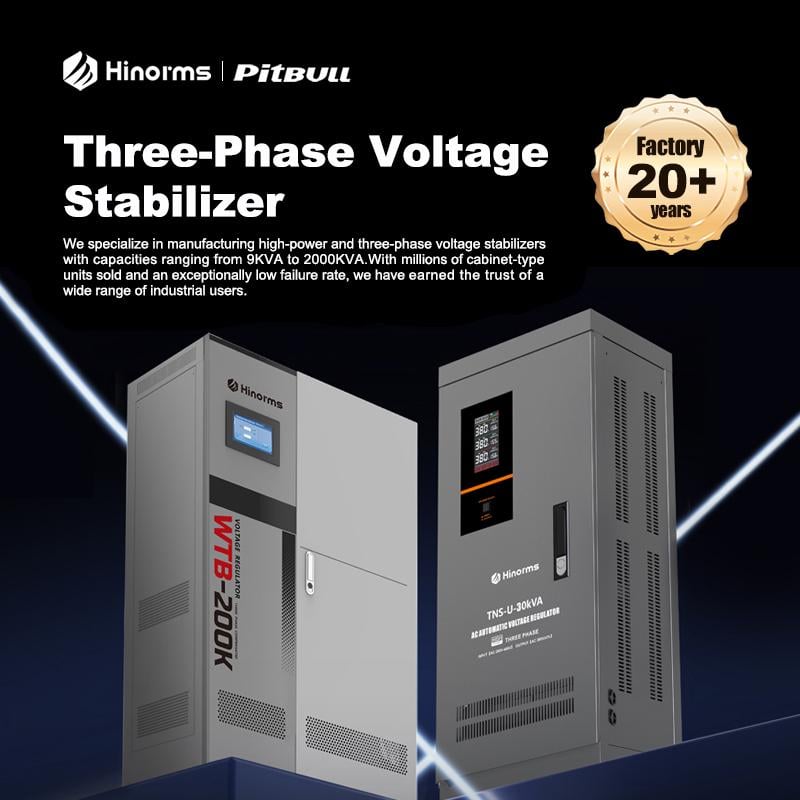
Installation Guidance for Low Voltage Stabilizers in Industrial Settings

Proper installation of low voltage stabilizers is crucial for optimal performance. Here are some guidelines for industrial settings: 

Location: Install the stabilizer in a dry, cool environment with adequate ventilation. Avoid locations near heat sources or where moisture levels are high, as these can negatively impact performance. 

Electrical Connections: Ensure that all electrical connections comply with local codes and standards. Use appropriate cabling to handle the stabilizer’s power rating. 

Grounding: Proper grounding is essential to minimize electrical hazards and ensure safety during operation. Verify that the stabilizer is connected to a reliable grounding system. 

Testing Before Full Operation: Conduct thorough testing after installation but before full operation. This should include checking voltage levels, response times, and overall functionality under load conditions. 

Maintenance Schedule: Establish a regular maintenance schedule to inspect the stabilizer for any signs of wear or damage. Periodic checks can help identify potential issues before they lead to system failures. 

Following these guidelines will help ensure that low voltage stabilizers operate reliably and effectively in industrial environments. 

Common Problems with Low Voltage Stabilizers and Effective Solutions

Despite their reliability, low voltage stabilizers can encounter issues over time. Here are some of the common problems and their solutions: 

Voltage Fluctuations: If the stabilizer fails to correct voltage fluctuations, it could be due to an overloaded system or a malfunctioning component. Check the loading against the stabilizer’s rating and inspect for any electrical faults. 

Noise Levels: Excessive noise from a stabilizer can indicate mechanical issues or improper installation. Ensure that the stabilizer is mounted securely and that all components are functioning correctly. 

Overheating: If the stabilizer is overheating, it may be due to inadequate ventilation or excessive load. Ensure that the unit has sufficient airflow and is not exceeding its rated capacity. 

Failure to Start: This can be caused by issues such as inadequate power supply or internal faults.  Conduct a thorough inspection of the electrical connections and consult with the manufacturer for troubleshooting advice. 

Being aware of these common problems allows users to address issues proactively, ensuring continuous operation and reliability of their voltage stabilizers. 

Understanding the Applications of Low Voltage Stabilizers in Various Industries

Low voltage stabilizers find applications across a range of industries, each benefiting from their ability to provide stable voltage levels. Here are a few examples: 

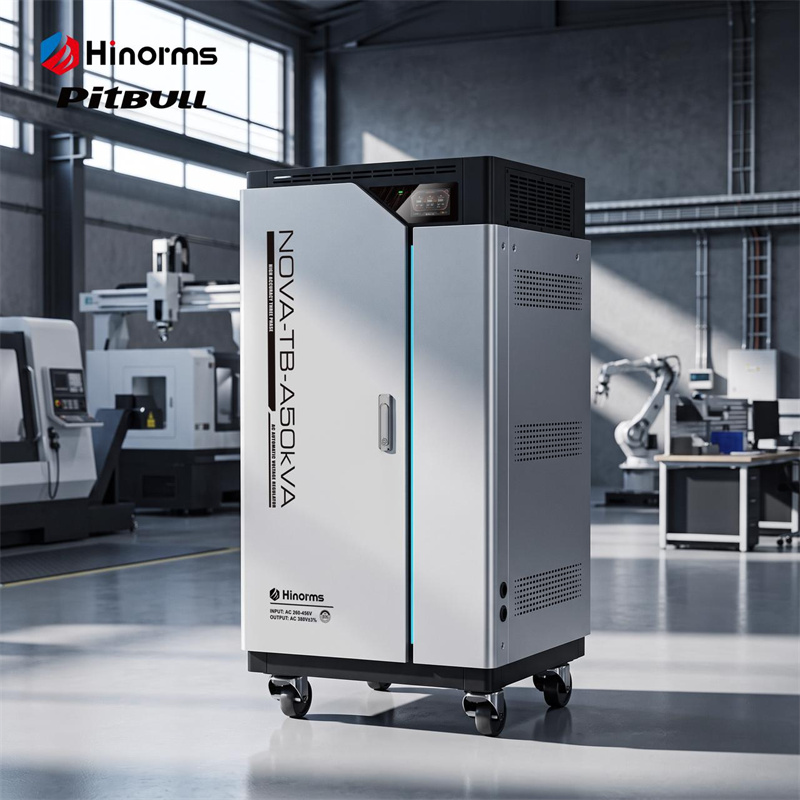
Manufacturing: In industrial manufacturing like Hinorms, equipment such as CNC machines and robotic systems require stable voltage to function efficiently. Low voltage stabilizers help prevent downtime caused by voltage fluctuations. 

Telecommunications: Telephone exchanges and data centers rely on consistent voltage for uninterrupted service. Stabilizers protect sensitive equipment from damage and ensure reliable communication. 

Healthcare: Medical devices and hospital equipment must operate within strict voltage tolerances.  Low voltage stabilizers safeguard these devices, ensuring that critical operations run smoothly. 

Commercial Buildings: In office buildings, stabilizers protect computers, servers, and other electronic devices from voltage spikes, enhancing the lifespan of these investments. 

Each industry has unique requirements, making it essential for buyers to select low voltage stabilizers that are tailored to their specific applications. Understanding these applications of low voltage stabilizers not only aids in product selection but also enhances operational efficiency within their sectors. 

Key Specifications to Consider When Selecting a Low Voltage Stabilizer

When choosing a low voltage stabilizer, several key specifications should be taken into account:

Voltage Range: It is vital to ensure that the stabilizer can accommodate the voltage fluctuations specific to your environment. The ideal voltage range should align with the operational requirements of the equipment it will support. 

Power Rating: The power rating, usually expressed in kVA (kilovolt-amperes), indicates the maximum load the stabilizer can handle. Buyers should calculate the total load of the devices being powered to select an appropriate stabilizer. 

Response Time: This refers to how quickly the stabilizer can correct voltage deviations. A shorter response time is preferable, particularly in sensitive applications of low voltage stabilizers where rapid voltage changes can disrupt operations. 

Efficiency: Look for stabilizers with high efficiency ratings. This not only reduces energy costs but also minimizes heat generation, enhancing the longevity and reliability of the device. 

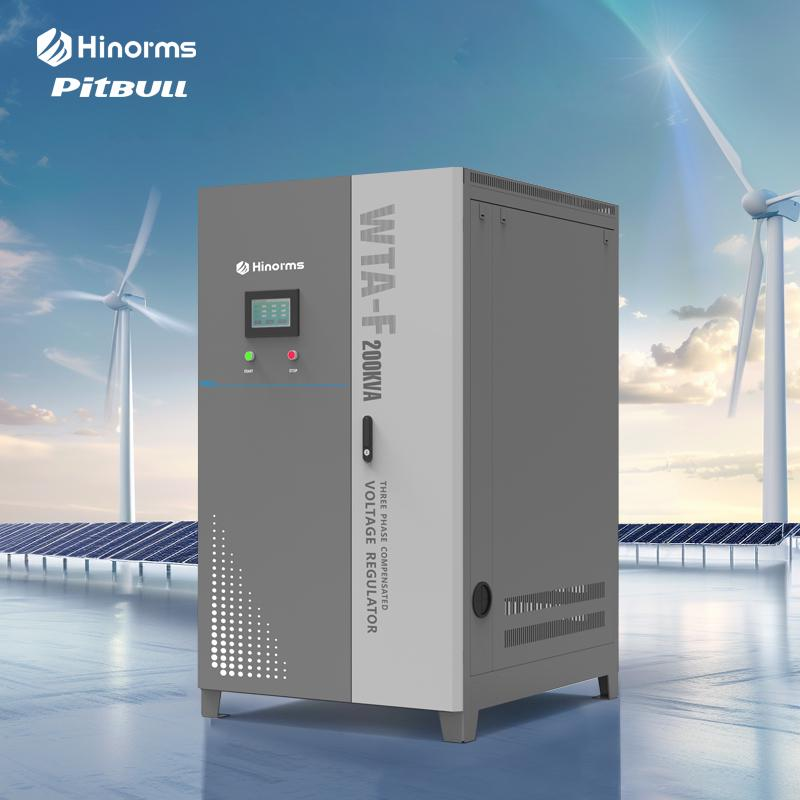
Phase Configuration: Depending on your application, you may need a single-phase or three-phase stabilizer. Ensure that the stabilizer matches the electrical configuration of your system. 

Customization Options: Many manufacturers including Hinorms offer customization based on specific requirements such as size, weight, and additional features like remote monitoring or integration with existing systems. 

Understanding these specifications allows buyers to evaluate which automatic voltage stabilizer for home best meets their operational needs. 

Frequently Asked Questions

What is a low voltage stabilizer used for?

A low voltage stabilizer protects equipment from undervoltage by maintaining stable voltage, preventing malfunctions and extending device life in areas with inconsistent power supply.
Our stabilizers use in-house core components and advanced software control to deliver precise regulation, fast response, and reliable long-term performance.
Yes. We provide tailored solutions based on local voltage profiles, load requirements, and environmental conditions with full traceability for each unit.
We develop core components internally, follow national industry standards we helped draft, and run comprehensive quality checks and software diagnostics on every unit.
Each unit includes technical documentation, test reports, traceability records, and access to technical support for installation, commissioning, and maintenance guidance.

Our Blog Posts

3-Phase Voltage Regulators for Solar Farms: Essential Tips for Grid Integration

18

Nov

3-Phase Voltage Regulators for Solar Farms: Essential Tips for Grid Integration

The worldwide promote renewable resource has located solar energy as a foundation of a lasting potential. Massive solar ranches go to the forefront of this particular shift, eating huge quantities of cleanse electrical power right i...
View More
TCO Analysis: How an Industrial Voltage Stabilizer Pays for Itself in Energy Savings

31

Jan

TCO Analysis: How an Industrial Voltage Stabilizer Pays for Itself in Energy Savings

For center supervisors as well as plant operators, the quest of power effectiveness is a continuous harmonizing action in between in advance investment as well as long-term increase. While significant devices upgrade frequently control the conversati...
View More
3 Phase Voltage Regulators for Wind Turbines: Output Stabilization

01

Jun

3 Phase Voltage Regulators for Wind Turbines: Output Stabilization

One of the quickest-growing renewable energy technologies is wind power; however it has a fundamental problem - it is not predictable. Output voltage from a wind turbine varies constantly in direct response to changes in wind speed, gusts and turbu...
View More
Voltage Stabilizer Manufacturer: Complete Guide to Industrial Three Phase Stabilizer Solutions

17

Sep

Voltage Stabilizer Manufacturer: Complete Guide to Industrial Three Phase Stabilizer Solutions

In a world full of industry, voltage fluctuations are not just a hassle, but a production liability. Whether it's in a manufacturing plant, a mining site, or a data center, medical offices, unstable power supplies lead to equipment failures, downtime...
View More

Let’s Build Business Together — For Distributors, Dealers & Partners

We warmly welcome inquiries from distributors and business partners. Retail services are not available at this time. Thank you for your understanding.
Name
Email
Company
Phone/WhatsApp
Message
0/1000
Key Considerations for Low Voltage Stabilizers

Let’s Build Business Together — For Distributors, Dealers & Partners

We warmly welcome inquiries from distributors and business partners. Retail services are not available at this time. Thank you for your understanding.
Name
Email
Company
Phone/WhatsApp
Message
0/1000