Thyristor Power Regulators: Key Considerations & Solutions

All Categories

thyristor power regulator

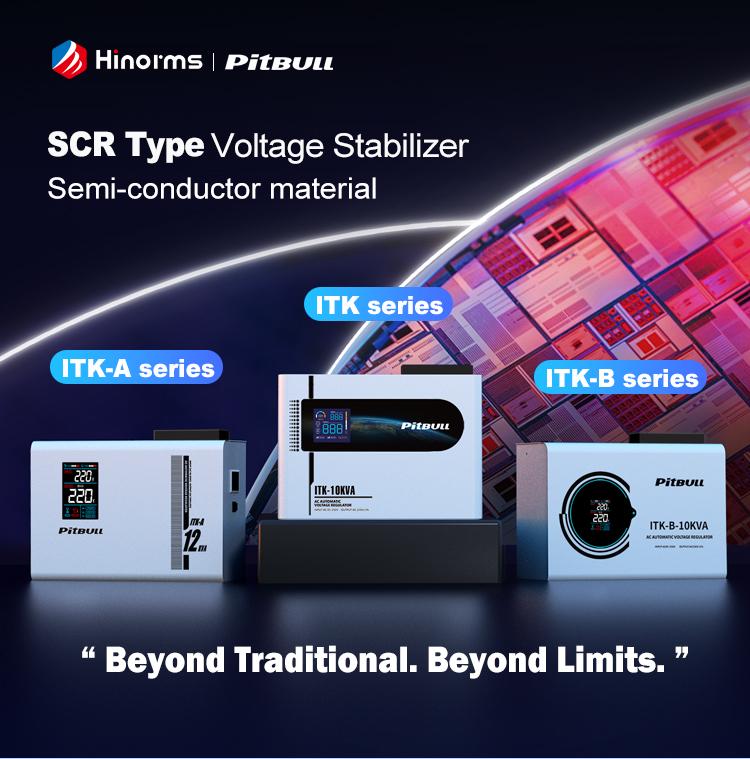
Thyristor power regulators are essential devices  used to control and stabilize voltage levels in  a  variety of industrial applications. These regulators  help ensure that electrical  equipment operates efficiently and reliably by maintaining  optimal  voltage levels. For purchasing managers, engineers,  and project managers, understanding the  specifications, applications,  and sourcing options for  thyristor  power regulators is  critical for  making informed decisions. This article will guide you through the key considerations when selecting a  thyristor power regulator,  providing you with practical  insights  that  can aid your purchasing process.


Wholesale Purchasing Guide for Thyristor Power Regulators

Engaging in  bulk purchases of thyristor power regulators involves  several key considerations to ensure a smooth  procurement process:

Minimum Order Quantity (MOQ): Understand the manufacturer's  MOQ, as it can vary  significantly. Be prepared to negotiate or  discuss your needs if your order size is below the MOQ.

Pricing Factors: Pricing can be influenced by factors such as order  volume, customization, and shipping logistics. Request  detailed quotes  that break down costs  to make informed comparisons between suppliers.


Lead Time: Inquire about lead times  for production and  delivery.  This is especially important if you have tight project deadlines. Consider any potential delays,  such as  those due to customization or sourcing materials.


Payment Terms: Clarify the payment terms during negotiations. Terms can include upfront deposits, payment upon delivery, or financing options for larger orders.

Supplier Reliability: Evaluate potential suppliers based on their track record, including on-time  delivery rates and  customer feedback. A reliable supplier can significantly reduce risks  in your supply chain.
Where to Source Reliable Thyristor Power Regulators for Projects

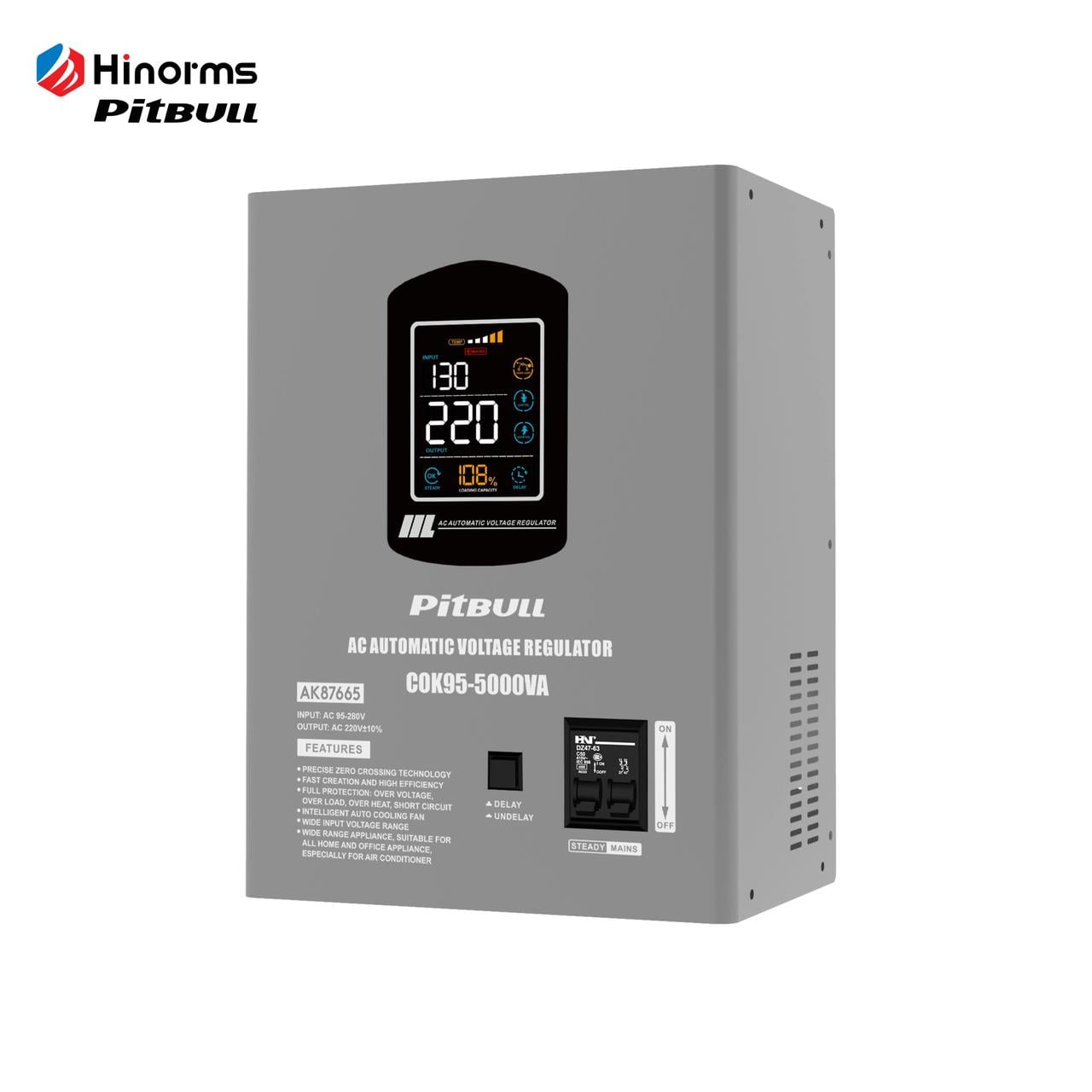
Finding a dependable source for  thyristor  power regulators requires thorough  research.  Here are effective strategies for identifying suitable suppliers:

Industry Associations: Engage with industry associations or  attend  trade shows and exhibitions. These platforms often showcase reputable manufacturers  and provide networking opportunities  that can lead to valuable supplier contacts.

Online  Marketplaces: Utilize established B2B  marketplaces that specialize in industrial equipment.  Look for suppliers with verified credentials and  positive customer reviews.

Direct Manufacturer Contact: Reaching out to manufacturers directly can yield comprehensive information  about their products and capabilities. This also allows for discussing customization options and specific application needs.


Local Distributors: Consider working with local distributors who  have established relationships with manufacturers. They can provide insights into product availability  and support services.

Technical Support and Service: Ensure that  potential suppliers offer  reliable technical support and after-sales service. This can be crucial for resolving issues that may arise during  installation  or operation.

Common Problems with Thyristor Power Regulators and Solutions

Thyristor power regulators can encounter various issues during operation. Being  aware of these potential  problems and their  solutions can enhance reliability:

Overheating: This is  a  common issue  that can lead  to regulator failure. To mitigate this, ensure  proper heat dissipation through adequate thermal management systems. Regular  maintenance  checks  can help  identify cooling system failures before they lead  to overheating.

Voltage Spikes: Sudden voltage spikes can damage thyristors. Implementing surge protection devices can help safeguard the regulator from transient voltage events.

Incompatible Loads: Using a thyristor regulator with loads it is not designed to handle can lead to inefficiencies and potential damage. Always match the regulator to  the electrical characteristics of the load.

Control Signal  Issues: Incorrect control signals can result in erratic performance. Verify that the control signals are within specified parameters and troubleshoot any discrepancies in the  control system.

Installation Errors: Proper installation is crucial  for optimal performance. Follow detailed installation guidelines  and conduct thorough  testing before full-scale operation.


Installation Guidance for Thyristor Power Regulators in Your Projects

Correct installation of thyristor power regulators is vital for ensuring their effective performance. Follow  these guidelines:

Site Preparation: Ensure that  the installation site has adequate space for ventilation and maintenance access. The environment  should be free from excessive dust, moisture, and corrosive substances.

Wiring and Connections: Use the appropriate gauge  wiring for connections  to avoid overheating and  voltage drops. Double-check all connections for tightness and ensure they are correctly insulated.

Calibration:  After installation,  calibrate the thyristor regulator according to the manufacturer’s  specifications. This ensures that it operates efficiently within the desired parameters.

Testing: Conduct thorough testing before integrating the regulator into the overall  system. Monitor its performance under various loads to  ensure stability and responsiveness.


Documentation: Keep detailed records of  the  installation process,  including wiring diagrams and calibration settings. This documentation can be invaluable for future maintenance or troubleshooting.

By carefully considering these aspects of thyristor  power regulators,  B2B buyers can make informed decisions that enhance  their operational  efficiency and reliability, ultimately leading to better project outcomes.


What to Consider When Choosing Thyristor Power Regulators

When selecting a thyristor power regulator, several factors should be taken into account to ensure it meets your application requirements.

Voltage and Current Ratings:  Determine the voltage and current specifications  of your application. The thyristor power regulator must be capable of handling the maximum  voltage and  current levels to avoid  damage and  ensure reliable operation.

Control Method: Thyristor  power  regulators can vary  in their control methods, such as phase control and burst fire control. Each  method has its advantages and suitability depending on the application. For instance, phase  control is commonly used in resistive loads, while  burst fire control is more efficient for inductive loads. In this context, the TND method can be particularly useful for specific applications.

Thermal Management: Effective thermal management is crucial for maintaining the performance and longevity of thyristor regulators. Ensure that the regulator has adequate heat dissipation features, such as heat  sinks or built-in cooling systems, particularly  for high-load applications.

Customization Options: Many manufacturers offer customization capabilities to tailor the regulator to specific operational needs. Confirm what  modifications can be made to fit your unique requirements, such as varying input voltages or additional protection features like those found in SVC models.

Quality Certifications:  Review the manufacturer’s quality certifications, as these can indicate reliability and adherence to  industry standards. Certifications  like ISO 9001 or compliance with national electrical safety standards can provide  assurance  of product quality.

Our Blog Posts

AVR Trends in 2025: AI-Powered Voltage Management

18

Nov

AVR Trends in 2025: AI-Powered Voltage Management

The yard of Automatic Voltage Regulation (AVR) is going through an extensive change. As our team relocate right into 2025, the combination of Artificial Intelligence (AI) is actually no more an advanced idea however an owning pressure, ...
View More
Stabilizer Voltage Regulator Maintenance Tips to Extend Lifespan

10

Dec

Stabilizer Voltage Regulator Maintenance Tips to Extend Lifespan

At Quzhou Sanyuan Huineng Electronic Co., Ltd., our function as a drafter of nationwide market requirements equips our team along with a deeper comprehending of exactly just what contemporary production really needs. In today's globe, where accuracy ...
View More
SCR vs. Servo Voltage Stabilizers: Which Technology Is Right for Your Industry?

06

Mar

SCR vs. Servo Voltage Stabilizers: Which Technology Is Right for Your Industry?

In the modern industrial environment, the reliability of your power supply is what directly determines productivity and the life cycle of equipment. One of the most frequent problems is the voltage fluctuations, and the selection of a stabilization ...
View More
TNSB 3 Phase Regulator: Noise Levels in Quiet Environments

15

Jun

TNSB 3 Phase Regulator: Noise Levels in Quiet Environments

For any library, studio, executive suites, luxury residences, hospital-in fact every institution in the above list requires one amenity: peace and quiet. Even noisy electrical equipment must be completely unheard here. It’s been a standard unde...
View More

Let’s Build Business Together — For Distributors, Dealers & Partners

We warmly welcome inquiries from distributors and business partners. Retail services are not available at this time. Thank you for your understanding.
Name
Email
Company
Phone/WhatsApp
Message
0/1000
Thyristor Power Regulators: Key Considerations & Solutions

Let’s Build Business Together — For Distributors, Dealers & Partners

We warmly welcome inquiries from distributors and business partners. Retail services are not available at this time. Thank you for your understanding.
Name
Email
Company
Phone/WhatsApp
Message
0/1000