Evaluating Quality in Voltage Regulator Switching

All Categories

voltage regulator switching

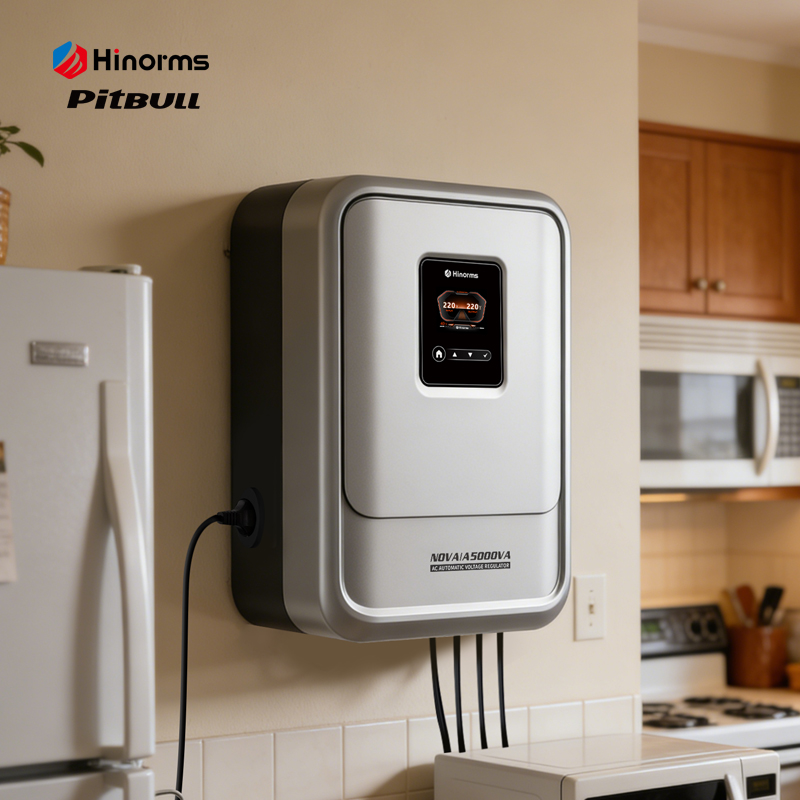
Voltage regulators,  specifically  switching  voltage  regulators, are critical components in various  electrical and electronic systems. They ensure that devices receive  a stable voltage level, regardless of fluctuations in the  power supply. For  B2B buyers,  particularly  purchasing managers and engineers, the quality and  reliability of  these regulators are paramount, as they directly impact operational efficiency  and equipment longevity.  This article will provide insights  into evaluating the quality of voltage regulators,  common installation problems,  supplier sourcing, cost factors,  and the  advantages of materials  used in their construction.

Common Installation Problems with Voltage Regulators and Solutions

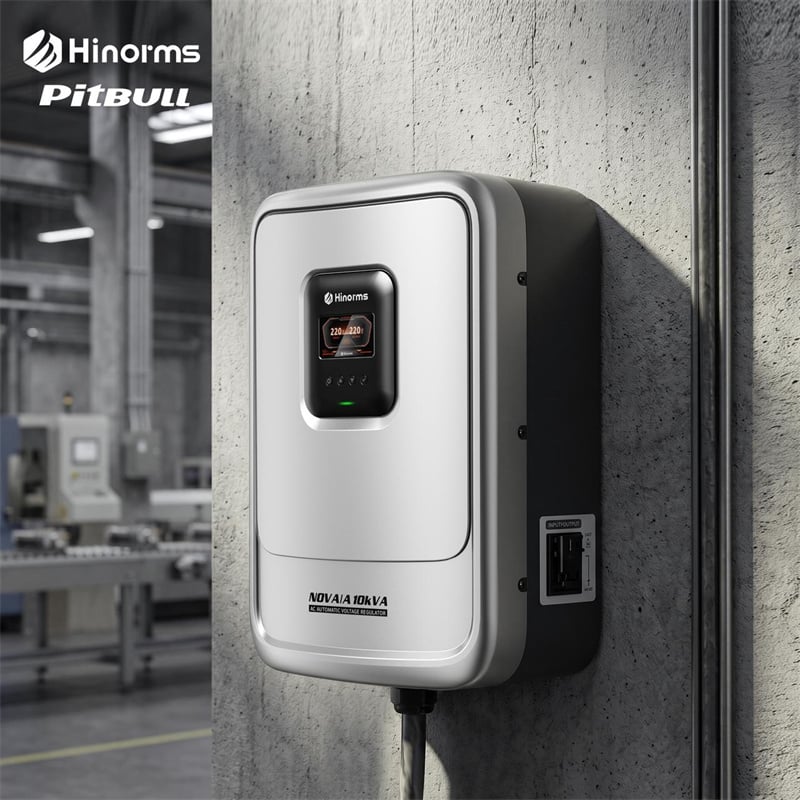
Installation issues can severely affect the  performance of voltage regulators. A  common problem arises from inadequate  grounding.  Poor grounding can cause electrical  noise, which  may interfere with the  regulator's performance.  Ensure that the installation includes  proper grounding techniques and that the regulator is securely connected to  the earth ground.

Another frequent issue is improper heat dissipation. If the  regulator  is mounted in an enclosed space without adequate airflow, it may  overheat, leading to failure. When installing, consider the  ambient temperature and ensure that there is sufficient ventilation around the regulator or use heat sinks  if necessary.

Wiring mistakes are also prevalent. Incorrect wiring can lead to short circuits or damage to the regulator. Always  follow the manufacturer’s wiring diagrams carefully and double-check connections before powering on  the device. Providing thorough  installation training for technicians can also mitigate this issue.

Lastly, ensure that the voltage regulator is compatible with the specific application. Mismatched voltage ratings can cause inefficiencies or equipment damage. Before  installation, confirm that the regulator's specifications  align with the electrical demands of the project.
Where to Find Trusted Suppliers for Bulk Voltage Regulator Purchases

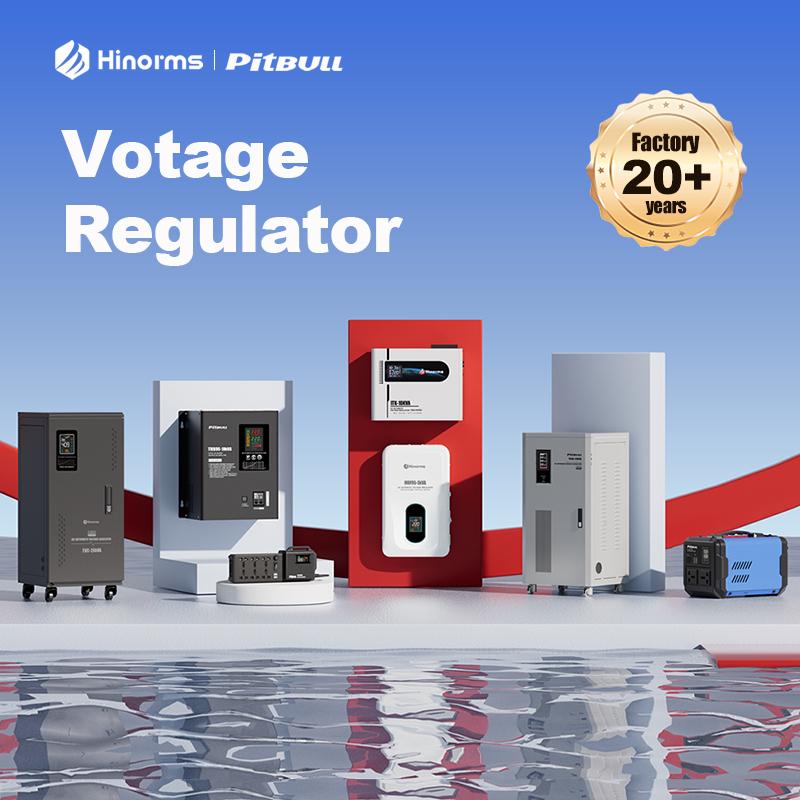
Finding reliable suppliers for  bulk voltage regulators involves careful evaluation. Start by researching manufacturers with a  strong reputation in the industry,  particularly those  recognized for their compliance with  national industry standards. Look for manufacturers  who  develop core components in-house, as this often indicates higher control over quality and performance.

Trade shows and industry exhibitions are excellent venues to meet potential suppliers. Networking at these  events allows you to assess products firsthand and build relationships with manufacturers. Online platforms and industry-specific directories can also  provide leads, but always look for customer reviews and testimonials to  gauge supplier reliability.

Consider  reaching out to industry associations or forums where professionals share their experiences with  suppliers. Engaging in  discussions can lead  to recommendations  for trusted manufacturers.

Once you  have  a shortlist, request samples or detailed product specifications to evaluate their offerings. This step  is crucial for ensuring the quality and compatibility of  the regulators with your projects.

Cost Factors to Consider When Purchasing Voltage Regulators Wholesale

When purchasing voltage regulators wholesale, several cost factors  should be considered. Firstly, the unit price typically decreases with larger order  quantities, but be mindful of minimum order quantities (MOQ) set by the manufacturer.  Understanding the MOQ can help you manage inventory costs effectively.

Secondly, consider the total cost of ownership, which includes not only  the purchase price but also shipping, handling, and any applicable  tariffs  or taxes. Shipping costs can vary significantly based on distance and method, so factor those into  your  budgeting.

Customization options can also influence  pricing.  While standard  regulators might be less expensive, custom solutions tailored  to specific applications  may incur  additional costs. However,  these custom products can lead  to long-term savings through improved  efficiency and reduced operational issues. For instance, the Servo Motor Type Voltage Regulator UVC Series offers customizable features to fit various applications.

Lastly, don’t overlook the importance of warranty and after-sales support. A slightly higher upfront cost might be  justified by better warranty terms or support services, which can save on maintenance and replacement costs in  the long run.

Material Advantages Explained

The choice of materials in voltage regulators significantly impacts their performance and reliability. Common materials used in manufacturing include aluminum and copper, particularly for heat sinks  and conductive components. Aluminum is favored for its lightweight and excellent thermal conductivity, while copper is often utilized for its superior electrical  conductivity.

Another important consideration is the insulation materials  used in the regulator's construction. High-quality insulating  materials ensure that electrical components are protected from environmental factors, thus  enhancing reliability and lifespan.  Look for regulators that use flame-retardant and temperature-resistant  materials, especially in applications exposed to  harsh conditions.

Furthermore, some manufacturers offer environmentally friendly materials  that  comply with sustainability standards. These materials can be advantageous for companies looking to enhance their green credentials.

Understanding the material advantages  can help you  make informed decisions that align with your project  requirements. By prioritizing quality materials, you can  ensure that the voltage regulators perform  optimally over their intended lifespan.

By following the guidance provided  ,  B2B buyers can enhance their purchasing decisions regarding  voltage regulator switching,  ensuring optimal  performance and reliability in their applications.

How to Evaluate the Quality of Voltage Regulators for Your Projects

When assessing the quality of voltage  regulators, several key specifications should be prioritized. First, consider the voltage output stability. A regulator must maintain a  consistent output voltage  under varying load conditions to prevent damage  to connected equipment. Look for specifications that detail  load regulation and line regulation; these  indicate how well the regulator performs under different input voltage conditions.

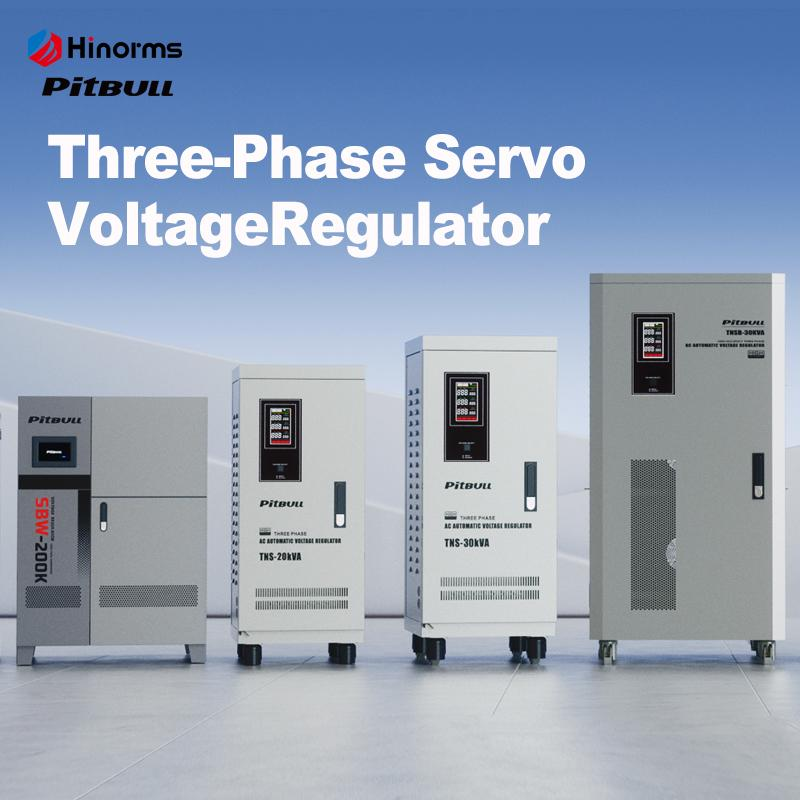
Additionally,  check the efficiency  ratings  of the voltage regulator. High-efficiency models minimize energy loss, which is crucial for projects aiming for sustainability or lower operating costs.  Typically, an efficiency rate of 85% or higher is considered satisfactory for most applications. For example, the Three-phase Servo Motor Type Voltage Regulator WTA Series offers high efficiency and reliability.

Thermal performance is another critical factor. Regulators that operate at higher temperatures can lead to reduced lifespan and reliability. Investigate the thermal  management features and ensure that  the regulator can operate within the temperature range of your  application. 

Finally, verify  the manufacturer’s quality assurance processes. A  reputable manufacturer, like  ours, employs comprehensive quality checks and utilizes advanced software controls during production, which enhances product reliability. Look for certifications that attest to the manufacturer’s adherence to industry standards, as this can serve as an  indicator  of the regulator's quality.

Our Blog Posts

How to Choose the Right 220V Voltage Stabilizer for Your Equipment?

18

Nov

How to Choose the Right 220V Voltage Stabilizer for Your Equipment?

A steady energy source is actually the lifeline of contemporary digital devices. Voltage changes, whether surges or even droops, can easily trigger permanent damages towards delicate gadgets, resulting in expensive repair work, in...
View More
Wall Mounted Voltage Regulators for Server Racks: Space Optimization

08

May

Wall Mounted Voltage Regulators for Server Racks: Space Optimization

In today's world of data driven everything, server rooms and network closets are downsizing while the need to have them is on the rise. Users should grab every square inch of rack space, while not sacrificing the quality of power. Wall-mounted volt...
View More
3 Phase Voltage Regulators: Industrial Applications Explained

15

May

3 Phase Voltage Regulators: Industrial Applications Explained

Within industry, 3 phase power is ubiquitous and is used for everything from motors in factory production lines to advanced data centers. Even though it is from the industrial grid, the power may not always be 100% constant; machine failure will occ...
View More
Servo Voltage Regulator: Precision Voltage Regulation for Unstable Grid Conditions

18

Sep

Servo Voltage Regulator: Precision Voltage Regulation for Unstable Grid Conditions

Severe grid voltage volatility plagues modern industrial facilities, with 230V single-phase grids fluctuating between 180V–280V and 400V three-phase systems dropping as low as 320V. These unstable grid conditions trigger motor torque loss, freq...
View More

Let’s Build Business Together — For Distributors, Dealers & Partners

We warmly welcome inquiries from distributors and business partners. Retail services are not available at this time. Thank you for your understanding.
Name
Email
Company
Phone/WhatsApp
Message
0/1000
Evaluating Quality in Voltage Regulator Switching

Let’s Build Business Together — For Distributors, Dealers & Partners

We warmly welcome inquiries from distributors and business partners. Retail services are not available at this time. Thank you for your understanding.
Name
Email
Company
Phone/WhatsApp
Message
0/1000