EN

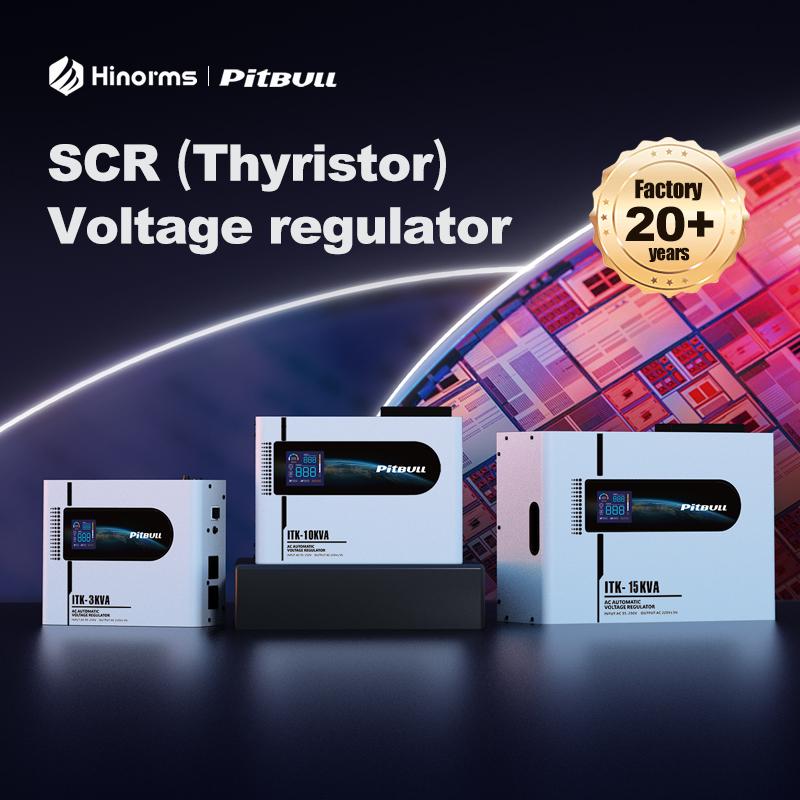
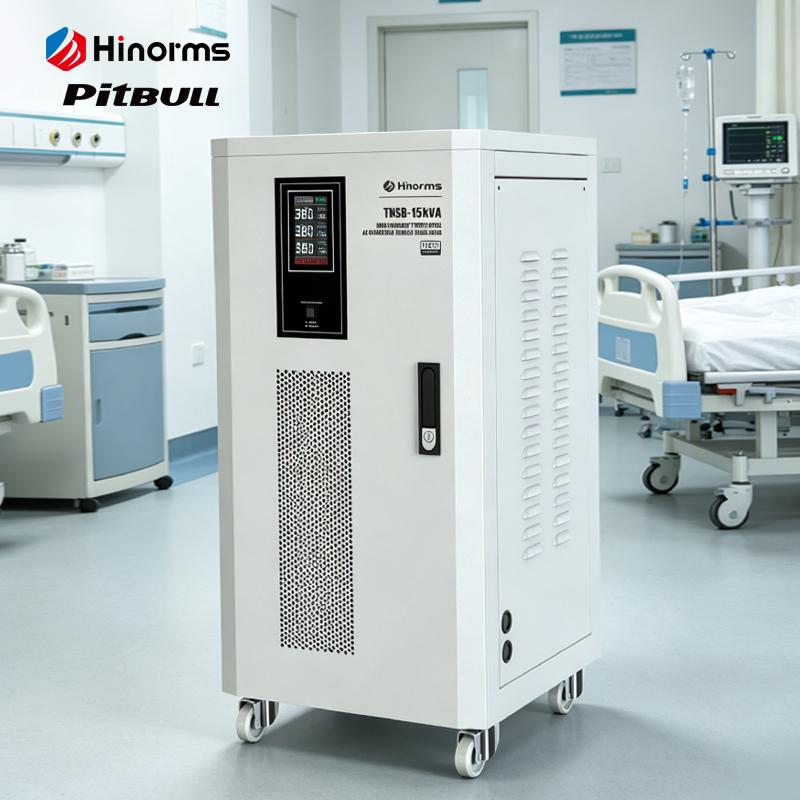
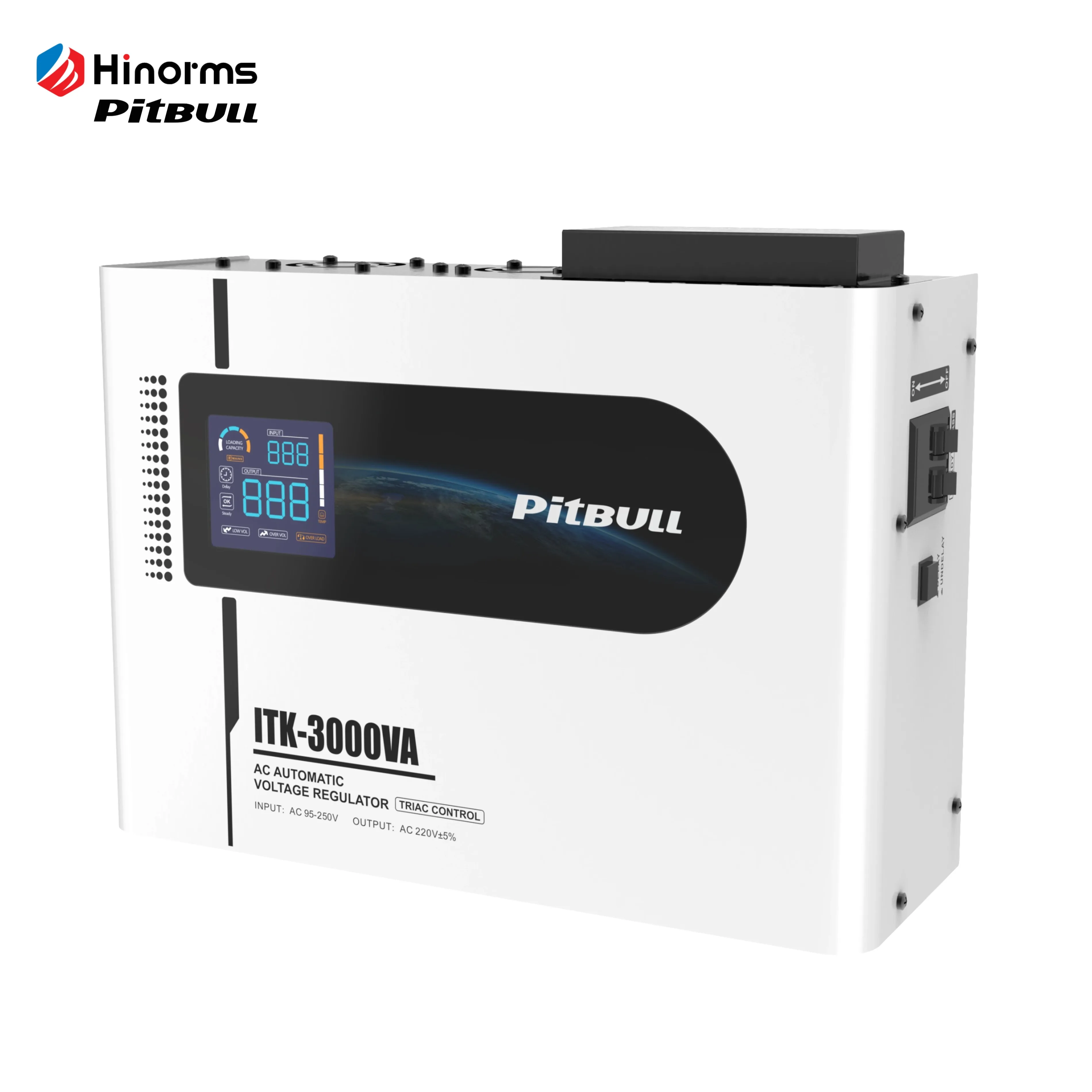
Voltage stabilizers are crucial components in maintaining the efficiency and reliability of electrical systems, particularly in industrial settings. A Hinorms three-phase generator voltage stabilizer is designed to regulate voltage fluctuations and ensure stable power supply across three-phase systems, which are commonly used in heavy machinery and large-scale manufacturing operations. This article will help purchasing managers and other B2B buyers understand the specifications, quality standards, cost evaluation, common problems, and applications of three-phase voltage stabilizers, enabling them to make informed purchasing decisions.




Quality Control Standards for 3 Phase Voltage Stabilizers Explained
Adhering to quality control standards is essential in the manufacturing of three-phase voltage stabilizers. The following aspects outline how quality is ensured throughout the production process:
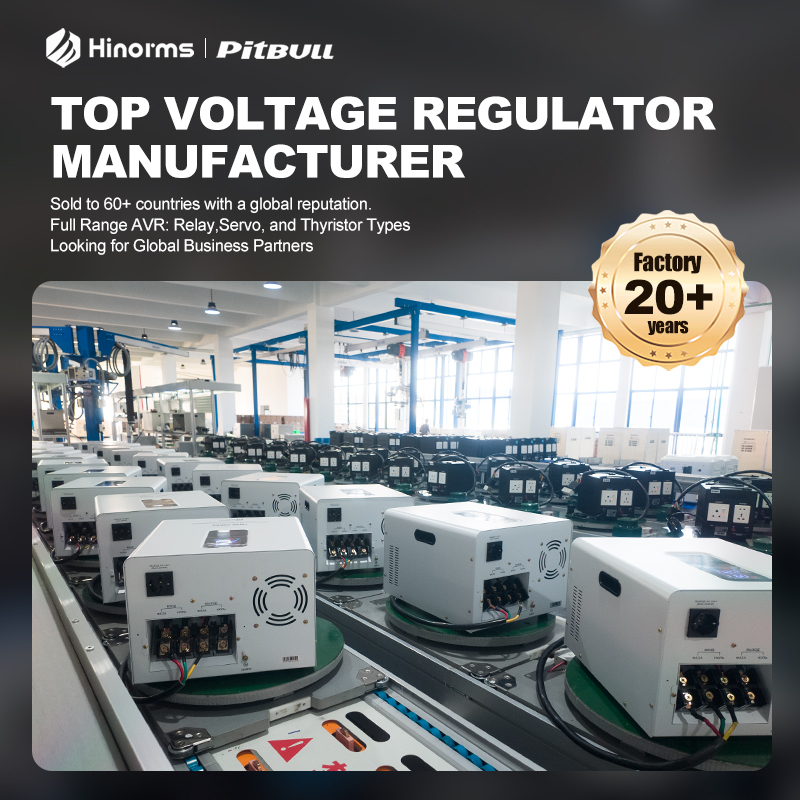
In-House Component Development: By manufacturing all core components in-house, we maintain stringent quality control from the very start of the production process. This approach allows for consistent performance and reliability across all products.
Comprehensive Testing: Each voltage stabilizer undergoes rigorous testing procedures to ensure it meets industry standards and customer specifications. This includes testing for voltage stability, efficiency, and response time under various load conditions.
Industry Standards Compliance: As the official drafter of national industry standards, we ensure that our products comply with all relevant regulations. This adherence not only assures product quality but also builds trust with our clients.
Traceability: Full traceability for every unit produced allows us to track components and manufacturing processes. This is vital for identifying any issues that arise post-production and for implementing corrective actions.
Through these quality control measures, buyers can be confident in the reliability and performance of the voltage stabilizers they choose.