Choosing the Right Voltage Regulator for LED Lights

All Categories

Voltage regulator for led lights

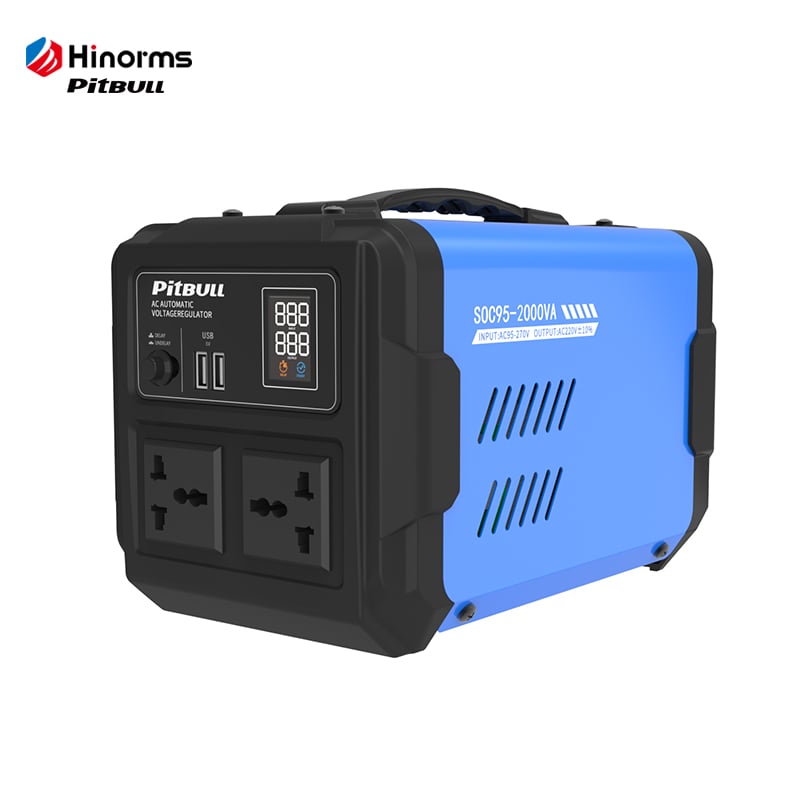
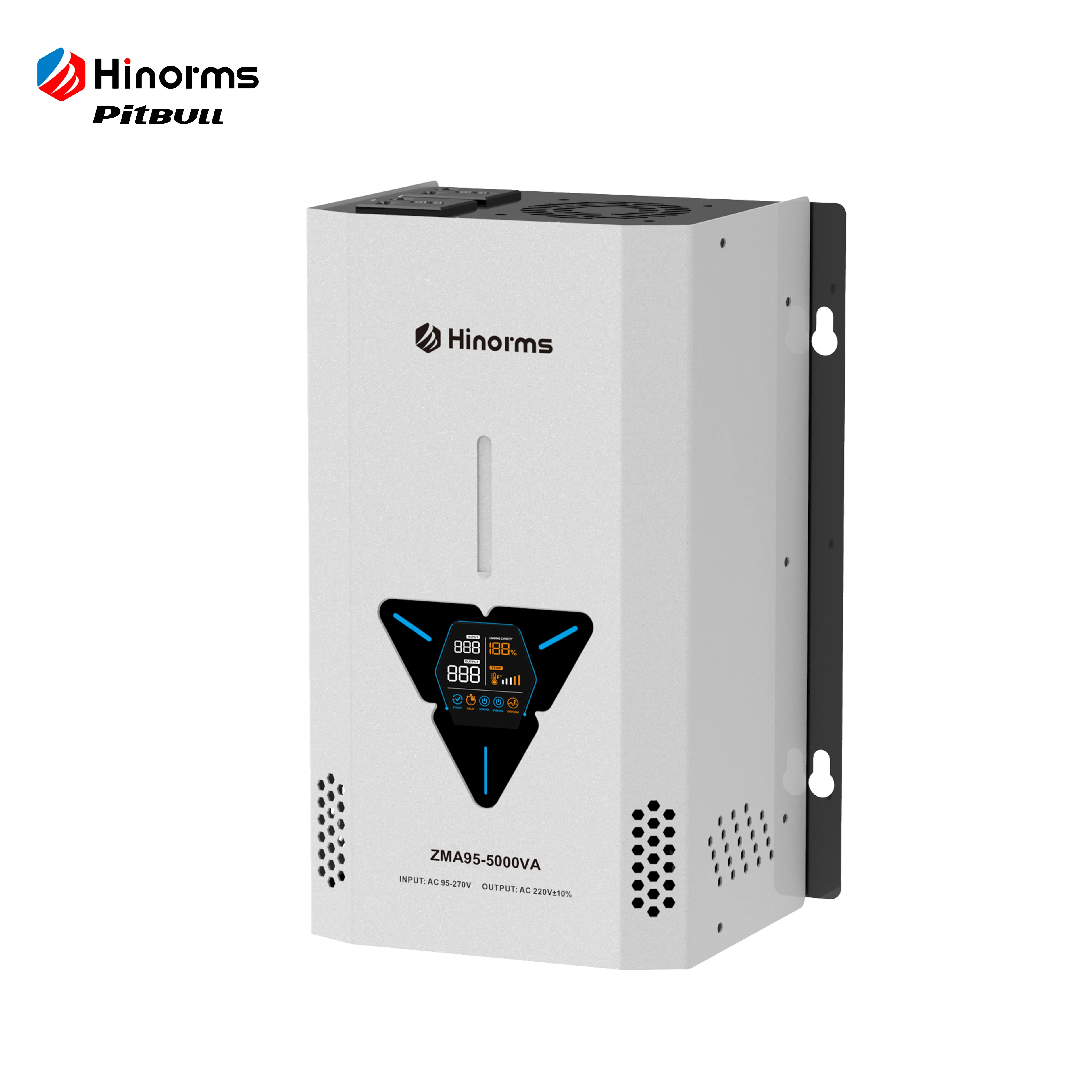
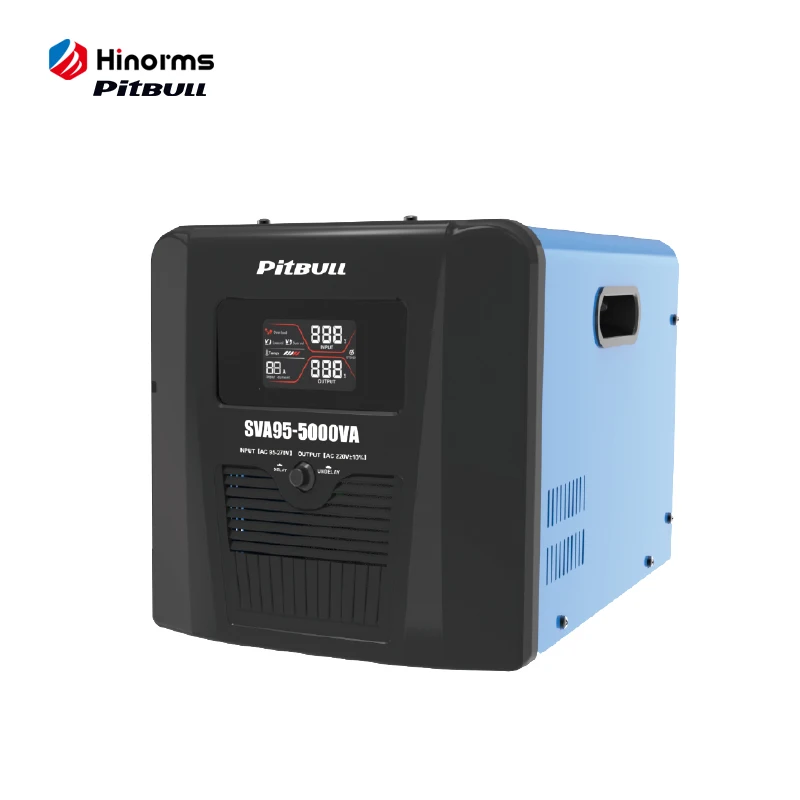
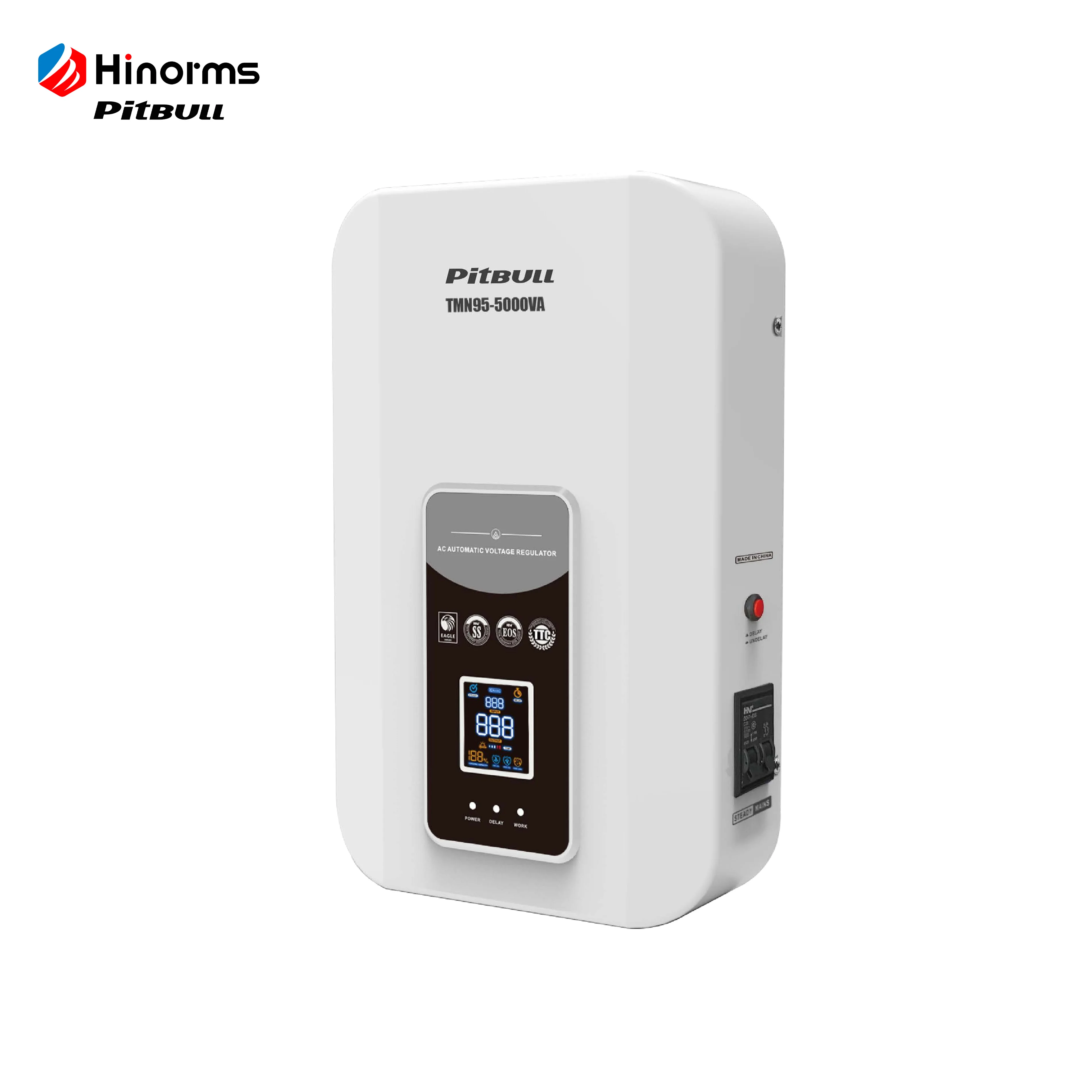
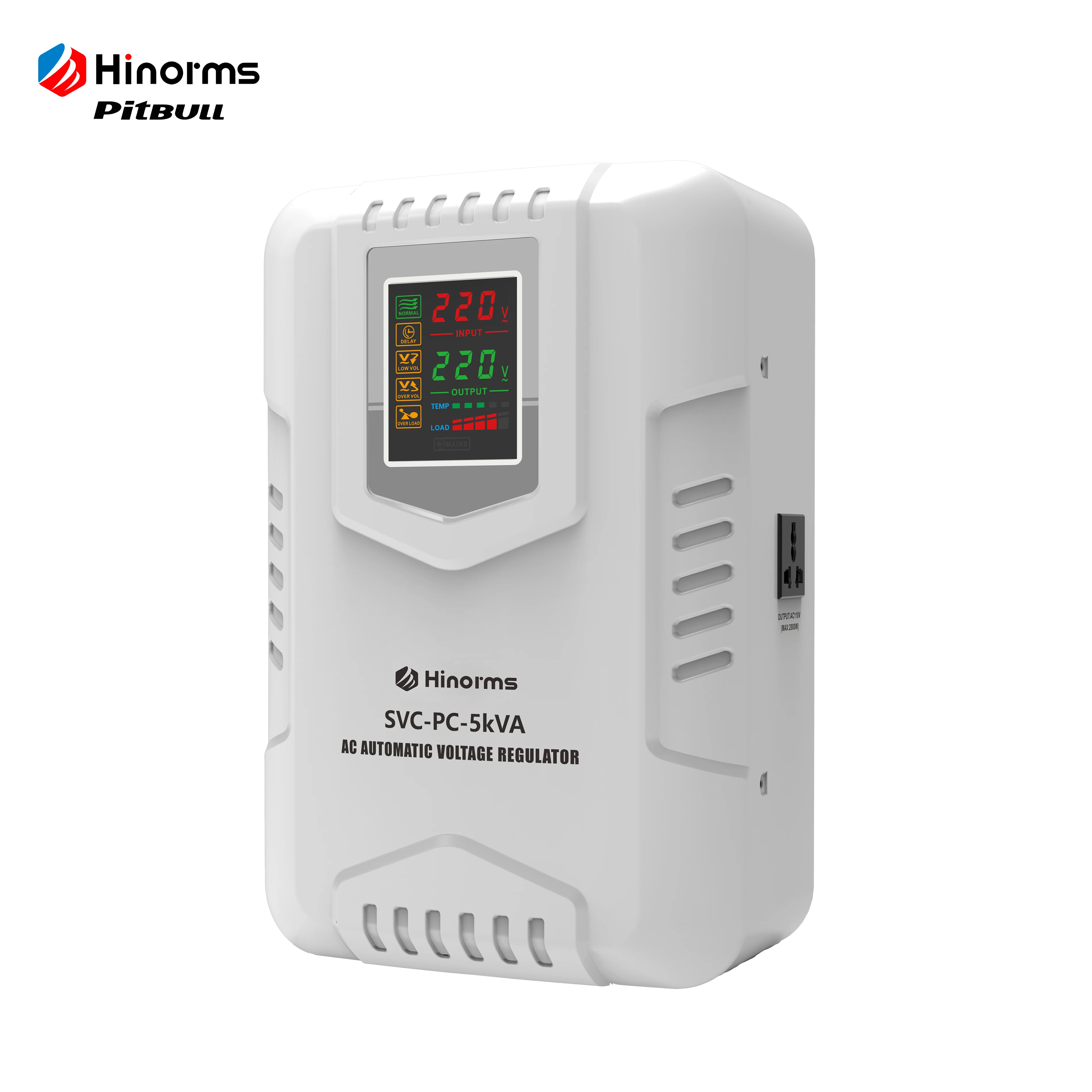
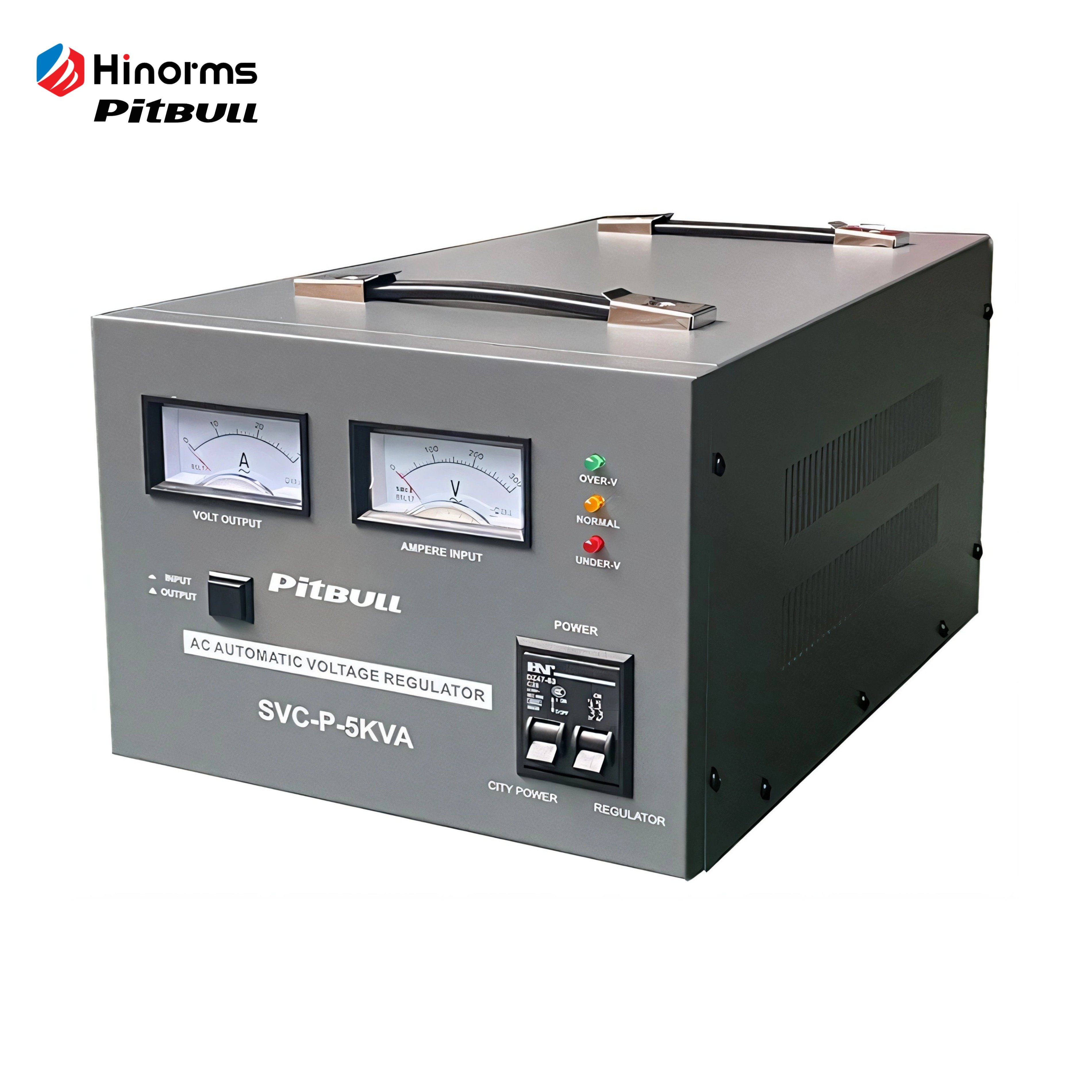
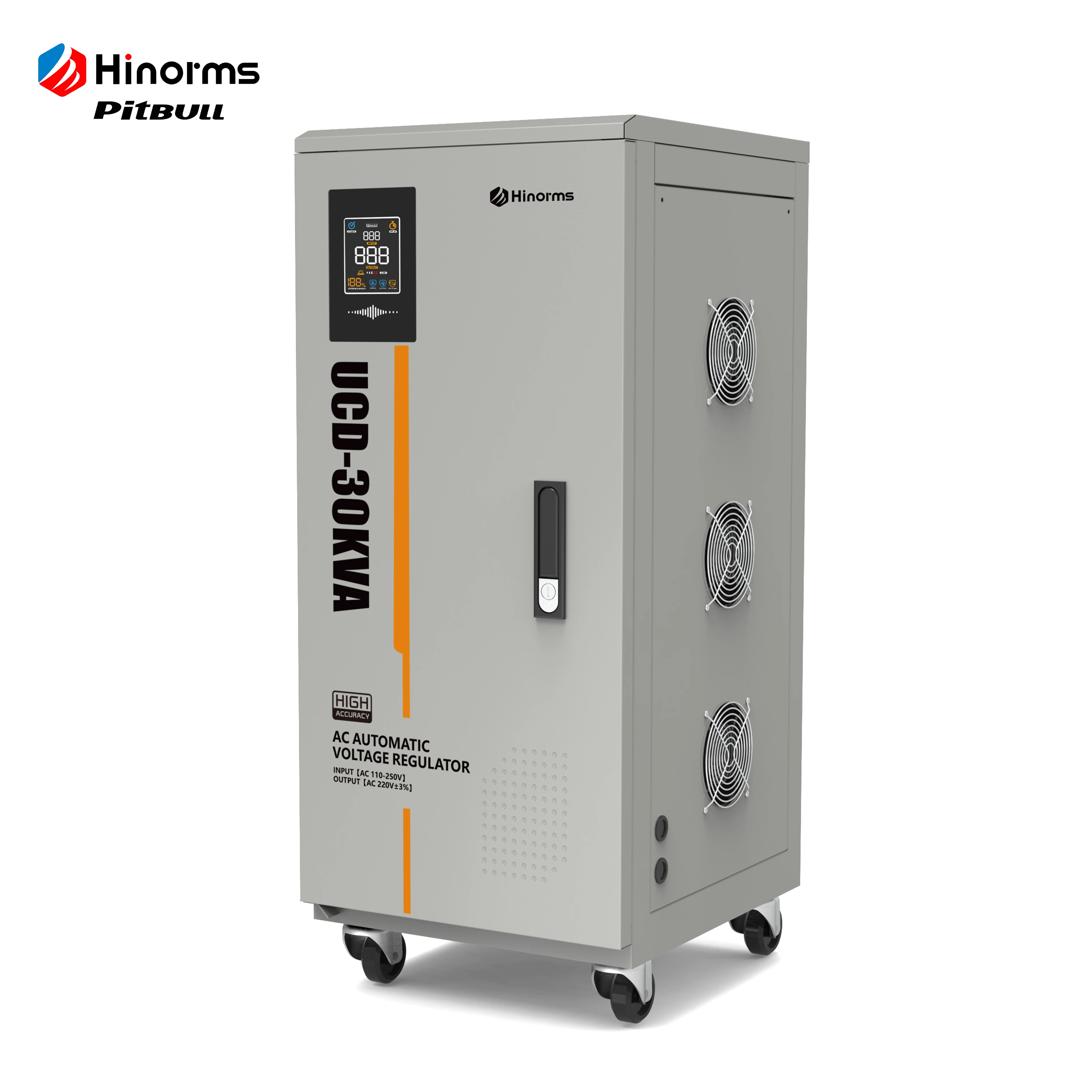
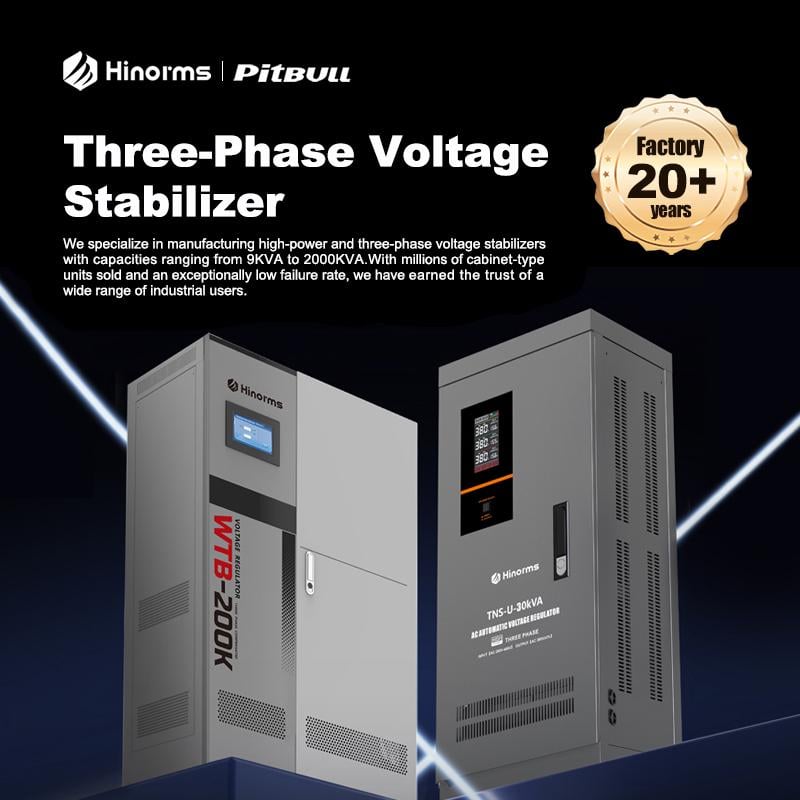
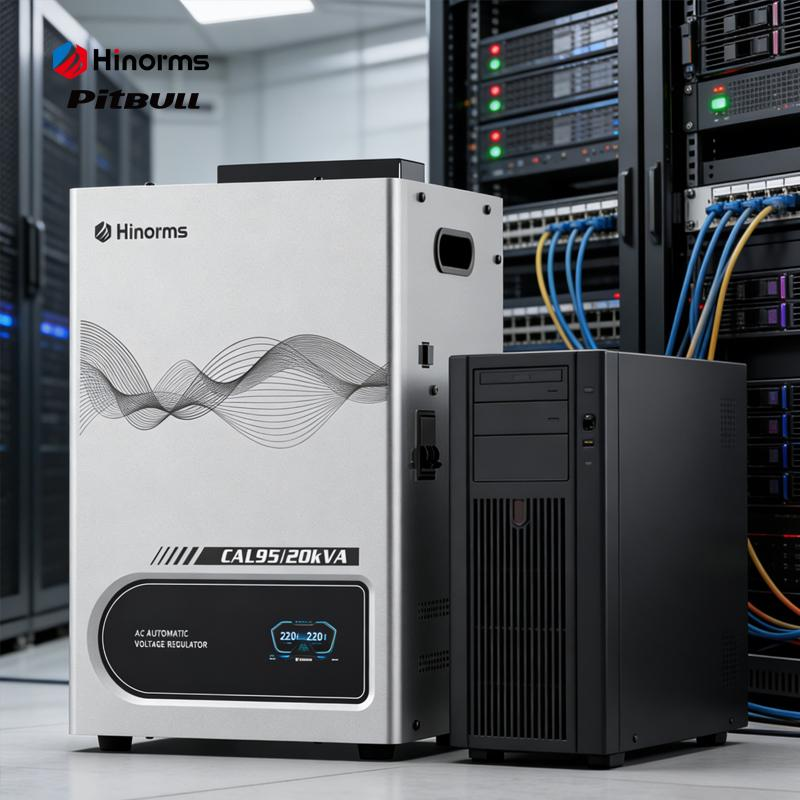
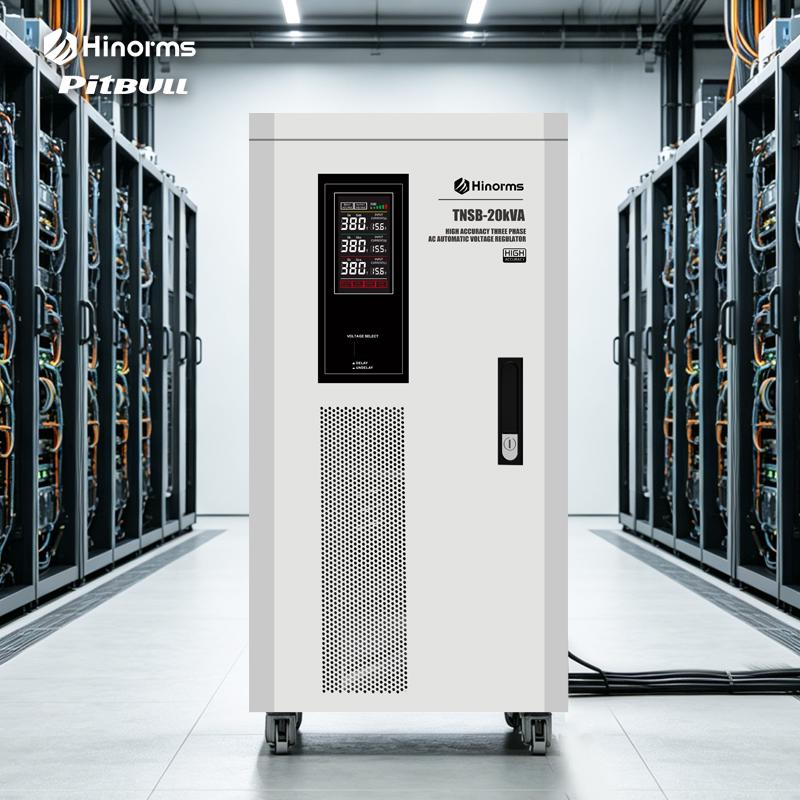
A voltage regulator for LED lights is a crucial component that ensures consistent voltage levels for efficient lighting performance. As more businesses and industries adopt LED technology, the demand for reliable voltage regulators has risen. Purchasing managers and engineers need to understand how to select the right voltage regulator to meet specific operational requirements, ensuring compatibility and optimal performance. This article will guide you through the essential considerations and specifications to help you make informed purchasing decisions regarding power voltage regulator for LED lights.
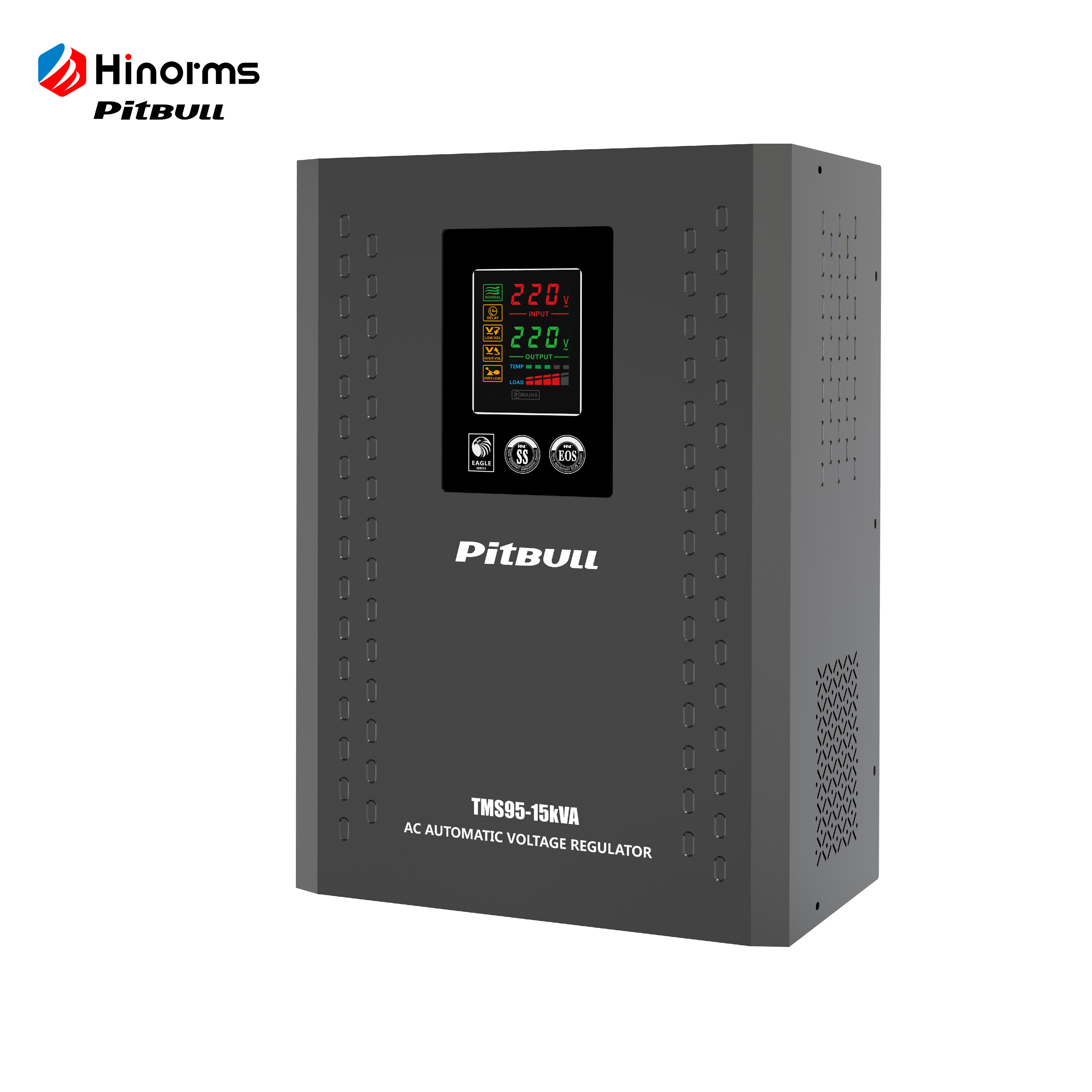
Our Products

How to Choose the Right Voltage Regulator for Your Projec

How to Choose the Right Voltage Regulator for Your Projec

Choosing the right voltage regulator involves assessing the specific needs of your project. Begin by identifying your LED lighting requirements, including voltage and current specifications. Next, consider the following factors: 

Application Environment: Analyze the operating conditions where the LEDs will be installed. Industrial settings may require regulators with higher durability and resistance to environmental factors like dust and moisture. 

Customization Needs: Depending on your application, you may need customized solutions. Verify if the manufacturer offers tailored voltage regulators to suit specific voltage ranges or current ratings. 

Compliance with Standards: Ensure the voltage regulator complies with relevant industry standards and regulations. This is particularly important for applications in sensitive environments, such as hospitals or laboratories. 

Supplier Evaluation: Research potential suppliers to understand their experience and reputation in manufacturing voltage regulators. A trusted manufacturer will have robust quality control processes in place, ensuring the reliability of their products. 

By carefully evaluating these factors, you can select a voltage regulator that aligns perfectly with your project's requirements, enhancing the overall effectiveness of your voltage regulator for LED lights system. 
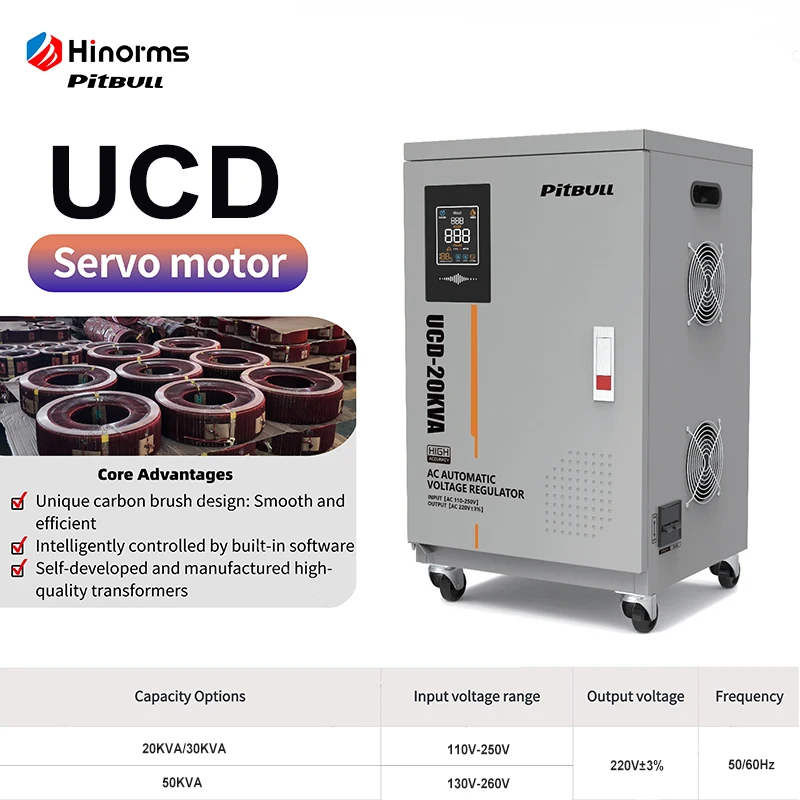
Key Specifications for Buyers

Key Specifications for Buyers

When comparing voltage regulators for LED lights, several specifications should be prioritized: 

Input Voltage Range: This indicates the acceptable range of input voltage. Ensure it covers the voltage levels you expect in your installation. 

Output Voltage Range: The output voltage should be stable and consistent, ideally matching the specifications of the LEDs used. 

Output Current Rating: This defines the maximum current the regulator can deliver. Choose a regulator that can handle the cumulative current of all connected LEDs. 

Efficiency Rating: This percentage indicates how much input power is converted into usable output power. Higher efficiency reduces energy costs and heat generation. 

Thermal Protection Features: Look for built-in thermal shutdown mechanisms that protect the regulator from damage due to overheating. 

Dimensions and Mounting Options: Consider the available space for installation and ensure the regulator's size fits within those parameters. 

Focusing on these specifications will enable you to make a well-informed decision when purchasing a voltage regulator. 

Ensuring Quality in Voltage Regulators

Ensuring Quality in Voltage Regulators

Quality assurance in voltage regulators is critical to prevent failures that can disrupt operations. Here are essential steps to ensure product quality: 

Manufacturer Reputation: Choose manufacturers with a proven track record. Industry champions often have stringent quality control measures and robust testing protocols. 

Quality Control Processes: Investigate the quality assurance processes employed by the manufacturer. Look for certifications that indicate adherence to international quality standards. 

Sample Testing: Before committing to bulk orders, request samples to test under your specific conditions. This will help verify performance and compatibility with your LED systems. 

Traceability: Ensure that the manufacturer provides full traceability for each unit produced. This guarantees accountability in case of any issues arising from production. 

By prioritizing these quality assurance measures, you can significantly reduce the risk of failures and ensure the reliability of your voltage regulators. 

Installation Guidance for Efficient LED Voltage Regulators

Proper installation of voltage regulators is crucial for ensuring optimal performance in voltage regulator for LED lights applications. Here are some key considerations for effective installation: 

Read Installation Manuals: Always refer to the manufacturer's installation guidelines to ensure compliance with specific requirements. 

Wiring and Connections: Use appropriate wire sizes and ensure secure connections to prevent voltage drops and potential overheating. 

Mounting Position: Install the voltage regulator in a location that allows for adequate airflow to manage heat dissipation effectively. Avoid placing it in enclosed spaces without ventilation. 

Testing After Installation: Conduct thorough testing of the LED system after installation to confirm that the voltage regulator operates correctly and meets performance expectations. 

Regular Maintenance Checks: Schedule routine inspections and maintenance to assess the condition of the voltage regulator and surrounding components. This proactive approach can help identify potential issues before they escalate. 

Following these installation guidelines will enhance the performance of your voltage regulators and ensure their reliability in supporting your voltage regulator for LED lights systems.  

What to Look for in a Voltage Regulator for LED Lights

When selecting a voltage regulator for LED lights, several key factors must be considered. These include voltage output, current capacity, efficiency, and thermal performance. 

Voltage Output: Ensure the regulator can provide a stable voltage that matches the LED specifications. An unsuitable voltage output can lead to flickering or reduced lifespan of the light. 

Current Capacity: The power regulator must handle the required current without overheating. Overloading can cause failures and potentially damage the LEDs. 

Efficiency: Look for high-efficiency models, as they reduce energy waste and operating costs. An efficient voltage regulators minimizes heat generation, which is critical for maintaining long-term performance. 

Thermal Performance: Consider regulators that can operate effectively in the ambient temperature conditions of your application. Proper thermal management is essential to prevent overheating. 

Understanding these aspects will help ensure that the voltage regulator you choose will maintain the longevity and performance of your voltage regulator for LED lights systems. 

Frequently Asked Questions

What does the voltage regulator for LED lights do?

It stabilizes input voltage to provide a consistent DC output, preventing flicker, overvoltage, and damage to LED fixtures for reliable lighting performance.
Designed for wide compatibility with common LED drivers and modules; specify voltage range and current rating to confirm match with your LED system.
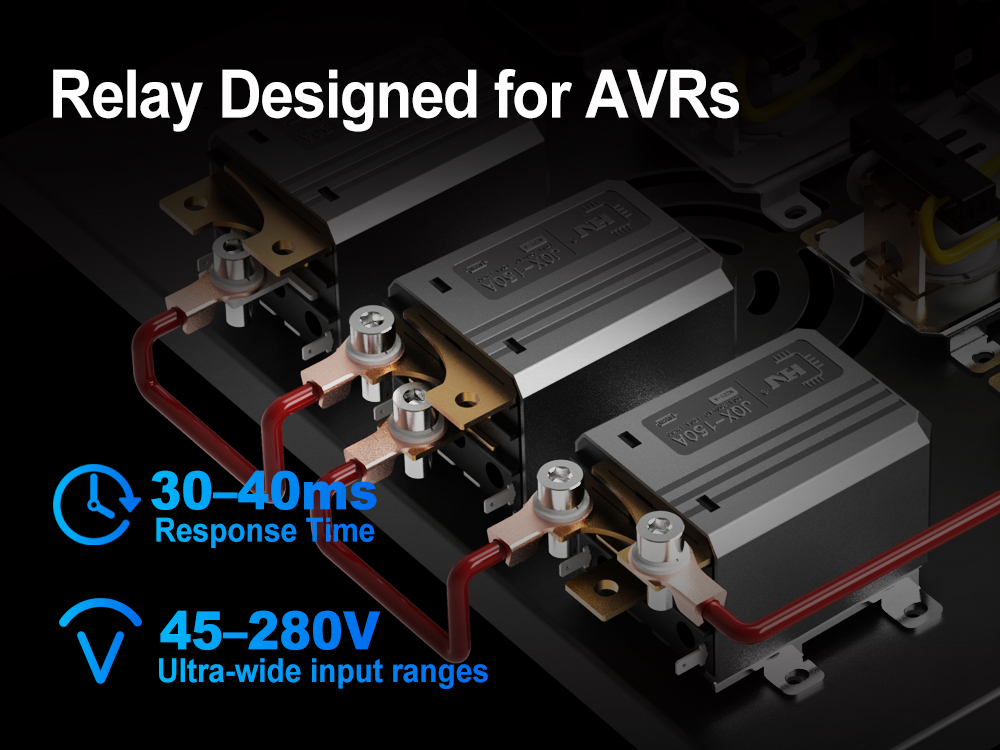
Yes. Engineered with advanced software control and robust components to compensate for voltage sags, surges, and transient spikes common in local grids.
Yes. We provide tailored electrical solutions and full traceability for every unit, including serial tracking and custom voltage/current configurations on request.
All core components developed in-house with comprehensive testing, software-controlled diagnostics, and adherence to national standards for consistent, high-quality performance.

Our Blog Posts

Relay, Servo or Thyristor: Comparing the Core Technologies Behind Voltage Stabilizers

19

Jul

Relay, Servo or Thyristor: Comparing the Core Technologies Behind Voltage Stabilizers

In many parts of the world, power lines swing wildly between too low and too high—and that’s bad news for your electronics. A voltage stabilizer protects your devices by keeping the output voltage within a safe range. But not all stabiliz...
View More
3-Phase Voltage Regulators for Solar Farms: Essential Tips for Grid Integration

18

Nov

3-Phase Voltage Regulators for Solar Farms: Essential Tips for Grid Integration

The worldwide promote renewable resource has located solar energy as a foundation of a lasting potential. Massive solar ranches go to the forefront of this particular shift, eating huge quantities of cleanse electrical power right i...
View More
AVR for UPS Systems: Seamless Power Transitions

11

May

AVR for UPS Systems: Seamless Power Transitions

The most critical line of defense against the power disturbance is that of a UPS. Yet the most refined UPS cannot protect against disturbances when input voltage is inconsistent-the UPS batteries must cycle more than they are designed for, reducing t...
View More
TNSB 3 Phase Stabilizer: Installation Costs and ROI Calculation

01

Jun

TNSB 3 Phase Stabilizer: Installation Costs and ROI Calculation

For industrial buildings, data centers, hospitals, and office buildings alike, voltage fluctuations aren't just minor inconveniences—they are an insidious source of cash drain. Machine breakdowns, motor faults, control system problems, premat...
View More

Let’s Build Business Together — For Distributors, Dealers & Partners

We warmly welcome inquiries from distributors and business partners. Retail services are not available at this time. Thank you for your understanding.
Name
Email
Company
Phone/WhatsApp
Message
0/1000
Choosing the Right Voltage Regulator for LED Lights

Let’s Build Business Together — For Distributors, Dealers & Partners

We warmly welcome inquiries from distributors and business partners. Retail services are not available at this time. Thank you for your understanding.
Name
Email
Company
Phone/WhatsApp
Message
0/1000