Wholesale AVR for AC: Key Considerations for Buyers

All Categories

Avr for ac

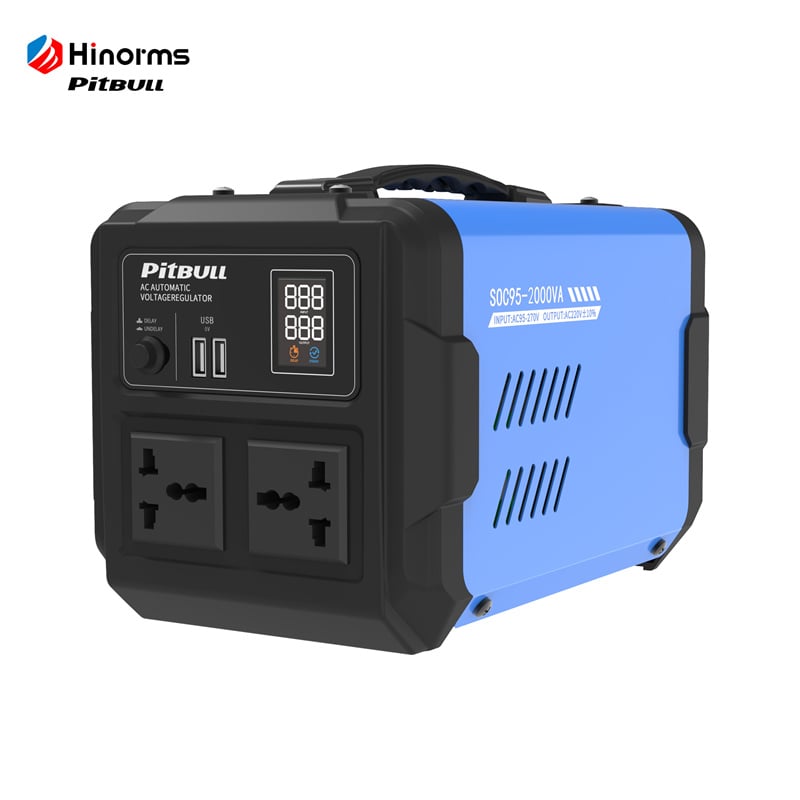
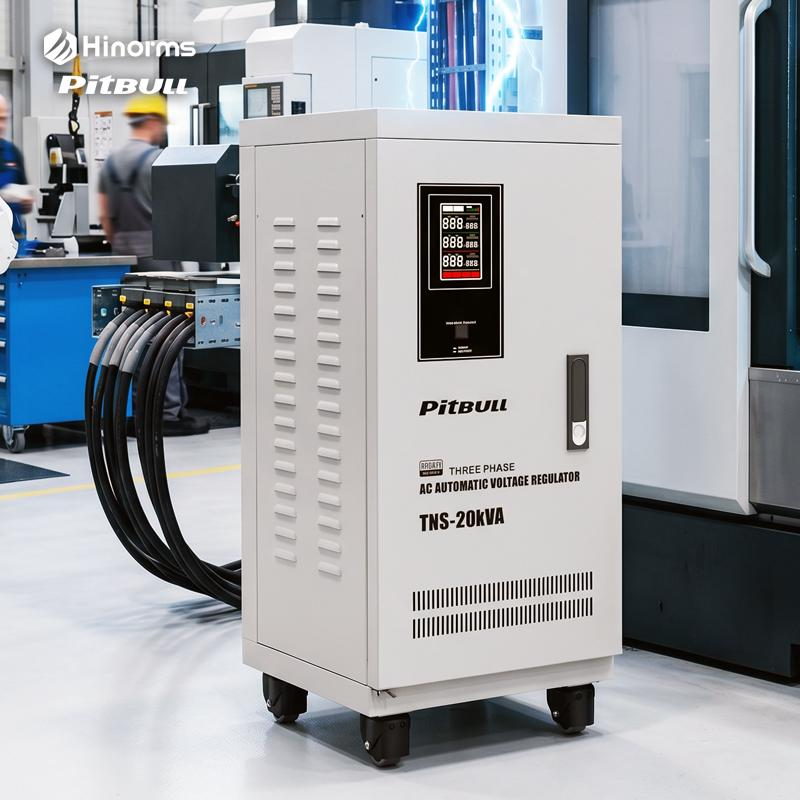
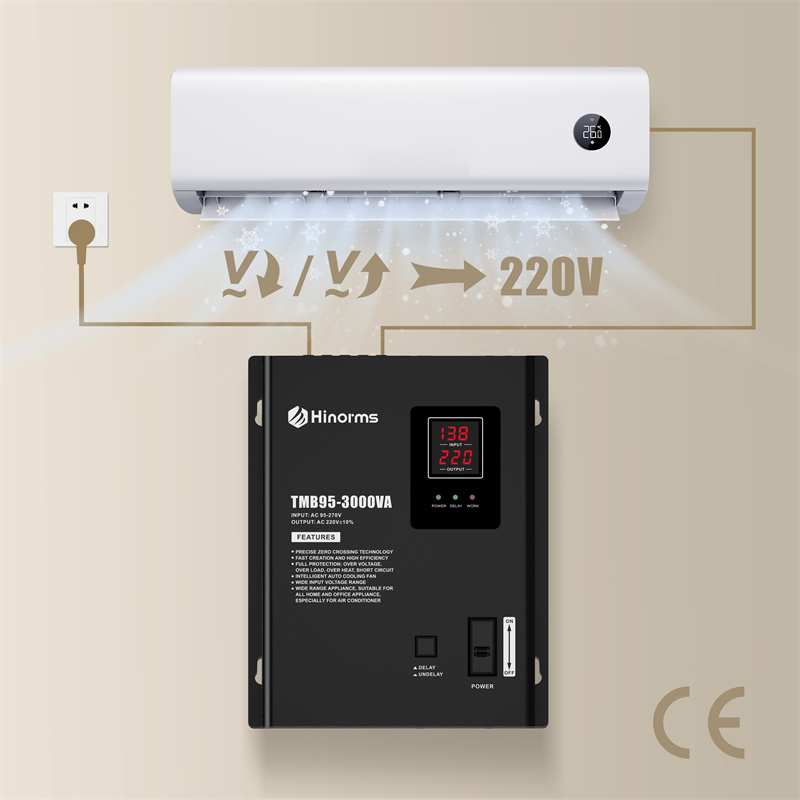
Voltage stabilizers, specifically Automatic Voltage Regulators (AVR) for AC systems, are crucial for ensuring stable electrical supply in various commercial and industrial settings. These devices protect sensitive equipment from voltage fluctuations, which can lead to operational failures and increased maintenance costs. With numerous options available in the market, B2B buyers often seek reliable solutions that meet their specific operational requirements. This article will cover key considerations when sourcing AVR for AC products, including purchasing options, cost factors, supplier reliability, common issues, and best practices to ensure optimal performance. 

Understanding the Cost Factors of AVR for AC Units

The cost of AVR for AC units can vary significantly based on several factors, including design complexity, materials used, and additional features. Key specifications that influence pricing include: 

Voltage Rating: Higher voltage ratings often require more robust components, increasing costs. 

Load Capacity: AVRs designed for higher load capacities typically involve more sophisticated technology and materials, impacting price. 

Control Systems: Advanced software control capabilities can enhance performance but often come at a premium. 

Materials and Construction: The choice of materials, such as copper versus aluminum for windings, can affect both performance and pricing. Copper, while more expensive, often provides better conductivity and durability. 

Buyers should also consider total cost of ownership, which includes installation, maintenance, and potential downtime costs associated with equipment failure. Investing in higher-quality AVRs may lead to lower maintenance costs and reduced operational disruptions in the long run. 
Where to Source Reliable Suppliers for AVR for AC Solutions

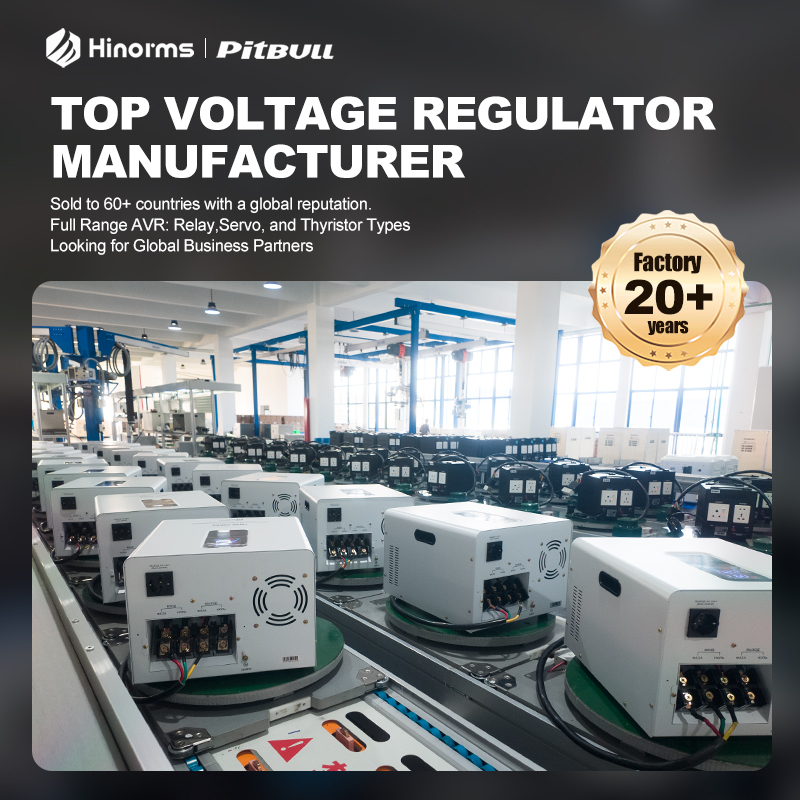
Identifying reliable suppliers for AVR for AC solutions requires a multi-faceted approach. Start by researching manufacturers that have a proven track record in the industry. Look for companies recognized as industry champions and those that have contributed to developing national industry standards. This can indicate a commitment to quality and reliability. 

Trade shows and industry conferences provide excellent opportunities to meet suppliers face-to-face, allowing buyers to assess their capabilities and product offerings directly. Additionally, leveraging online platforms and industry-specific directories can help compile a list of potential suppliers. 

It's also beneficial to seek recommendations from industry peers or consult professional networks. Assess potential suppliers based on their manufacturing capabilities, certifications, and after-sales support. A supplier that offers comprehensive quality AVR transformer checks and guarantees full traceability for each unit is likely to be a reliable choice. 

Common Problems with AVR for AC and Their Effective Solutions

Despite their importance, AVRs for AC systems can encounter several common issues that may affect performance. Understanding these problems and their solutions is crucial for maintaining operational efficiency: 

Voltage Fluctuations: If an AVR fails to stabilize voltage, it may be due to incorrect settings or failure in internal components. Regular maintenance and recalibration of the unit can prevent this issue. 

Overheating: AVRs can overheat if they are undersized for the load they are handling. Ensure the selected AVR meets or exceeds the required load capacity to avoid overheating and potential equipment failure. 

Component Failure: Common failures can occur in capacitors or relays. Implementing a routine inspection schedule can help identify signs of wear and tear before they lead to complete failures. 

Poor Installation: Improper installation can lead to performance issues. Engage qualified technicians for installation and ensure all connections are secure and compliant with local regulations. 

By proactively addressing these issues through regular maintenance and appropriate installation practices, buyers can extend the lifespan of their AVRs while ensuring continuous protection for their electrical systems. 

Best Practices and Tips

To maximize the effectiveness of AVR for AC units, consider implementing the following best practices: 

Conduct a Needs Assessment: Evaluate the specific voltage and load requirements of your facility to ensure the selected AVR power supply meets operational demands. 

Request Samples: Before committing to bulk purchases, request samples to test under actual operating conditions. This allows for a practical evaluation of performance and compatibility. 

Prioritize Quality Assurance: Work with suppliers that have robust quality control processes in place. Verify certifications and standards compliance to ensure reliability. 

Maintain Documentation: Keep detailed records of all specifications, installation guidelines, and maintenance schedules. This documentation can be invaluable for troubleshooting and future upgrades. 

Engage in Continuous Monitoring: Implement monitoring systems that provide real-time data on voltage performance, allowing for timely adjustments and maintenance. 

By following these best practices, B2B buyers can ensure they select the right AVR for AC solutions, ultimately leading to enhanced operational efficiency and reduced risk of equipment failure. 

Wholesale Purchasing Options for AVR for AC Products

When considering wholesale purchasing options for AVR for AC products, buyers should evaluate several factors. First, identify the specific requirements based on your operational environment such as voltage range, load capacity, and application type. Manufacturers often offer tiered pricing discounts based on order volume, so understanding your needs can help negotiate better rates. 

Additionally, it’s essential to assess the customization capabilities of the supplier. Many manufacturers, including industry leaders, provide tailored solutions that can include specific voltage settings, input/output configurations, and even advanced features like software control systems. Ensure that the supplier can accommodate your unique requirements, which may include modifications to existing models or fully custom designs. 

Lastly, consider the minimum order quantities (MOQs) and lead times. Suppliers typically have different MOQs based on product type and customization level, impacting both pricing and delivery schedules. Engaging with manufacturers that maintain high production capacities can help mitigate delays and ensure timely delivery of products. 

Frequently Asked Questions

What is AVR for AC and how does it work?

Our AVR for AC is an automatic voltage regulator that stabilizes incoming AC voltage using in-house developed control components and software, ensuring consistent output to protect connected equipment from voltage fluctuations.
Customizable per local power needs; typical models support wide input fluctuations and provide stable nominal AC output. Contact us with site voltage data for exact ranges.
Yes. We offer tailored solutions with configurable ratings, control parameters, and mounting options, plus full traceability for each customized unit.
We develop core components in-house, follow national industry standards we helped draft, and perform advanced software control and comprehensive quality inspections for reliable performance.
We provide warranty coverage with technical support, service documentation, and traceability records for every unit. Contact our support team for warranty terms and local service options.

Our Blog Posts

The Ultimate Guide to Voltage Regulators: How They Protect Your Electronics

18

Nov

The Ultimate Guide to Voltage Regulators: How They Protect Your Electronics

Suppose you have a very complicated, fragile devices that only operates exactly as it should under certain special conditions. Now, make its supply of power completely erratic, flowing with destructive energy one second and fizzling into impotency th...
View More
Automatic Voltage Regulator (AVR) Installation: A Step-by-Step Tutorial

18

Nov

Automatic Voltage Regulator (AVR) Installation: A Step-by-Step Tutorial

For any delicate electronics, like computers and home entertainment, to industrial machinery itself a consistent power source is critical. Voltage fluctuations–spikes and sags–can damage equipment, cause data loss and prevent your system ...
View More
Voltage Stabilization for CNC Machining: Protecting Precision, Ensuring Quality

06

Mar

Voltage Stabilization for CNC Machining: Protecting Precision, Ensuring Quality

Computer Numerical Control or CNC machining is the foundation of precision engineering in the current manufacturing environment. These advanced machines are used to create physical objects using digital designs and tolerances in the microns regime. ...
View More
TNS 3 Phase Stabilizer: User Manual and Quick Start Guide

01

Jun

TNS 3 Phase Stabilizer: User Manual and Quick Start Guide

The proper installation and operation of your TNS Three Phase Stabilizer will provide years of reliable voltage regulation. This guide includes essential information for the electrical contractor, facility managers and maintenance personnel. Read t...
View More

Let’s Build Business Together — For Distributors, Dealers & Partners

We warmly welcome inquiries from distributors and business partners. Retail services are not available at this time. Thank you for your understanding.
Name
Email
Company
Phone/WhatsApp
Message
0/1000
Wholesale AVR for AC: Key Considerations for Buyers

Let’s Build Business Together — For Distributors, Dealers & Partners

We warmly welcome inquiries from distributors and business partners. Retail services are not available at this time. Thank you for your understanding.
Name
Email
Company
Phone/WhatsApp
Message
0/1000