EN

Choosing the Hinorms TMB best stabilizer for air conditioner applications is crucial for ensuring consistent performance and longevity of the system. Voltage stabilizers and air conditioner stabilizers protect air conditioning units from voltage fluctuations that can lead to inefficiencies or damage. As a B2B buyer, it’s essential to understand the key specifications, sourcing options, and installation practices that impact the effectiveness of these stabilizers. This article will guide you through the critical factors that influence your purchasing decision, helping you make an informed choice for your business needs


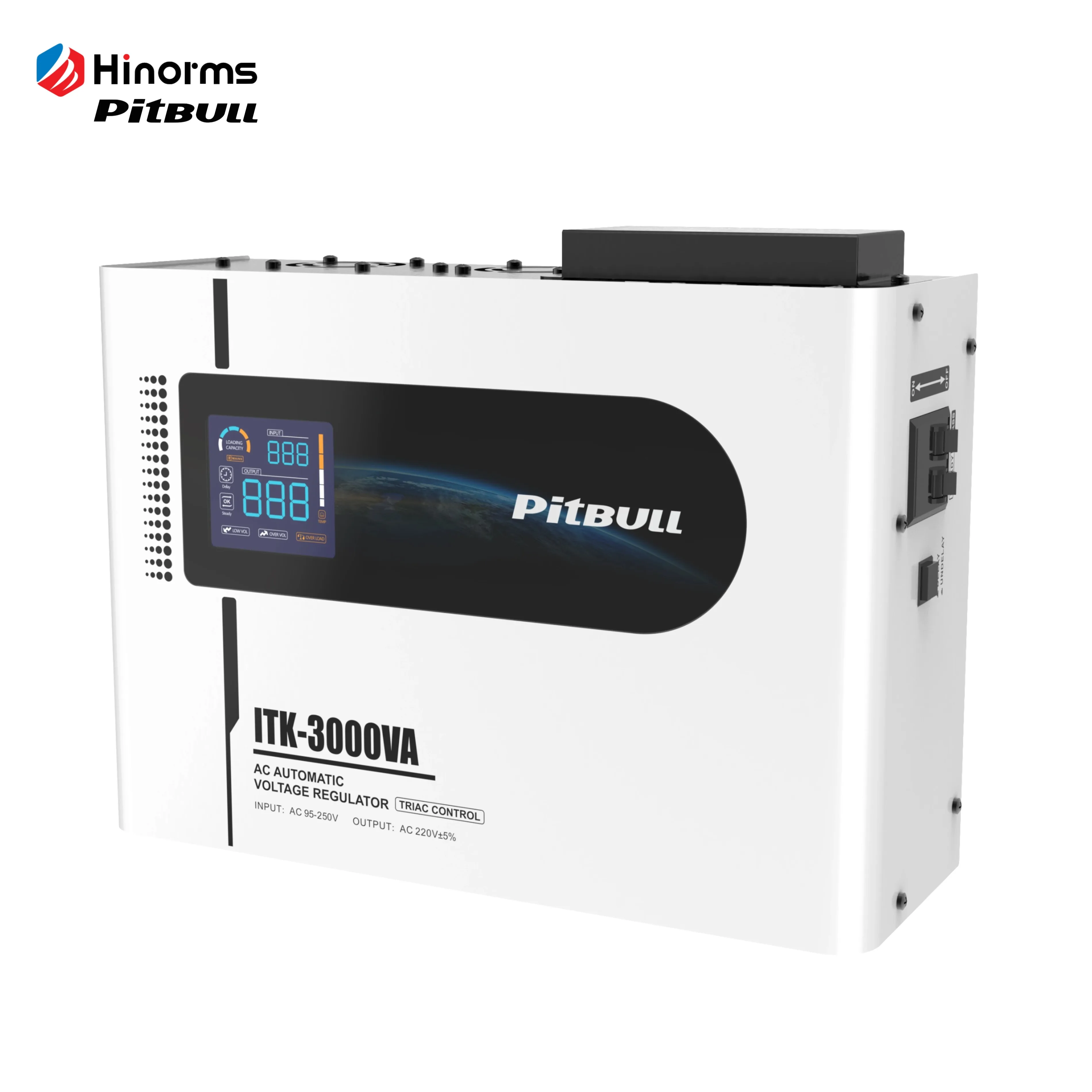


Key Specifications for High-Quality Air Conditioner Stabilizers
High-quality COG air conditioner stabilizers should meet several key specifications to ensure optimal performance. These include:
Voltage Range: The voltage stabilizer sshould be capable of operating within a specified voltage range, typically 180V to 240V, depending on local supply standards. This range should match the requirements of your air conditioning unit
Load Capacity: The stabilizer’s load capacity must exceed the total wattage of the connected air conditioning units. This specification is crucial to prevent overload and ensure the stabilizer can handle peak demands
Response Time: A voltage stabilizers with a response time of less than 1 second is ideal, as this minimizes the risk of damage from sudden voltage changes
Efficiency Rating: Look for models with high efficiency ratings (above 95%) to ensure minimal energy loss during operation
Durability and Build Quality: The stabilizer should be constructed from durable materials that can withstand environmental factors, such as humidity and temperature variations, which are common in industrial settings
Certifications: Ensure the stabilizer meets industry standards and certifications, which can signify reliability and adherence to quality control processes