Home Voltage Stabilizer: Key Considerations for Buyers

All Categories

Home voltage stabilizer

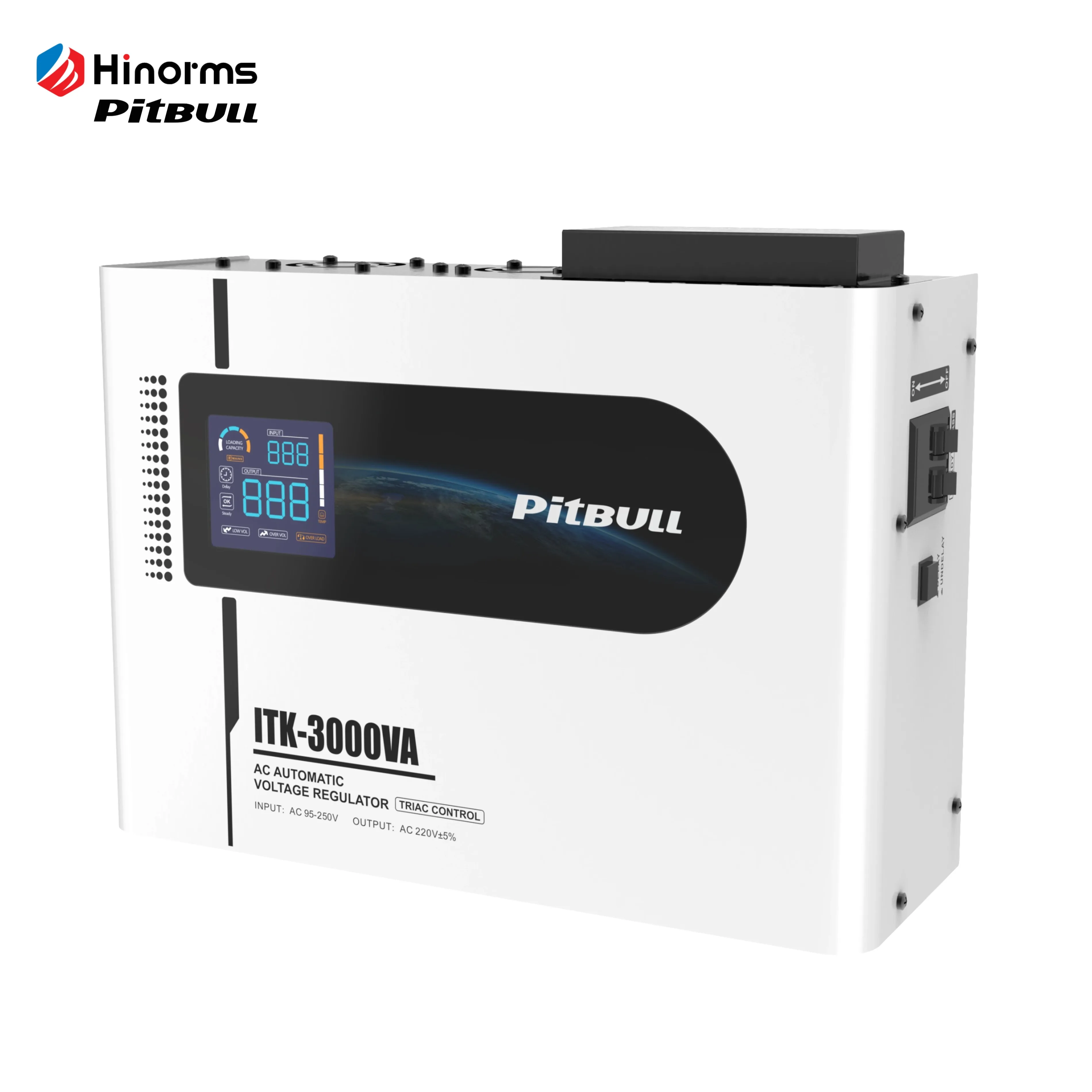
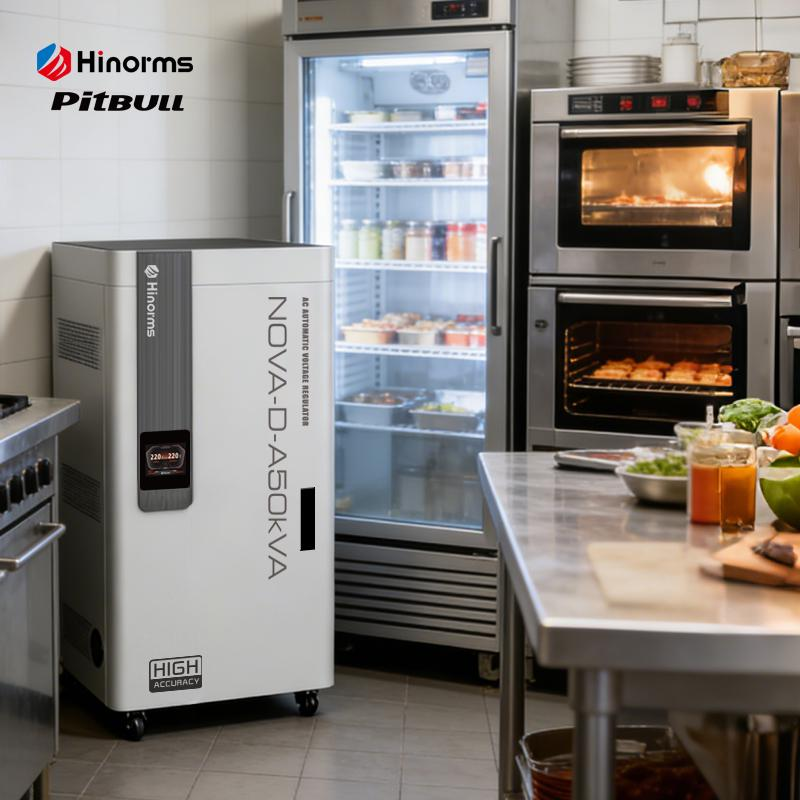
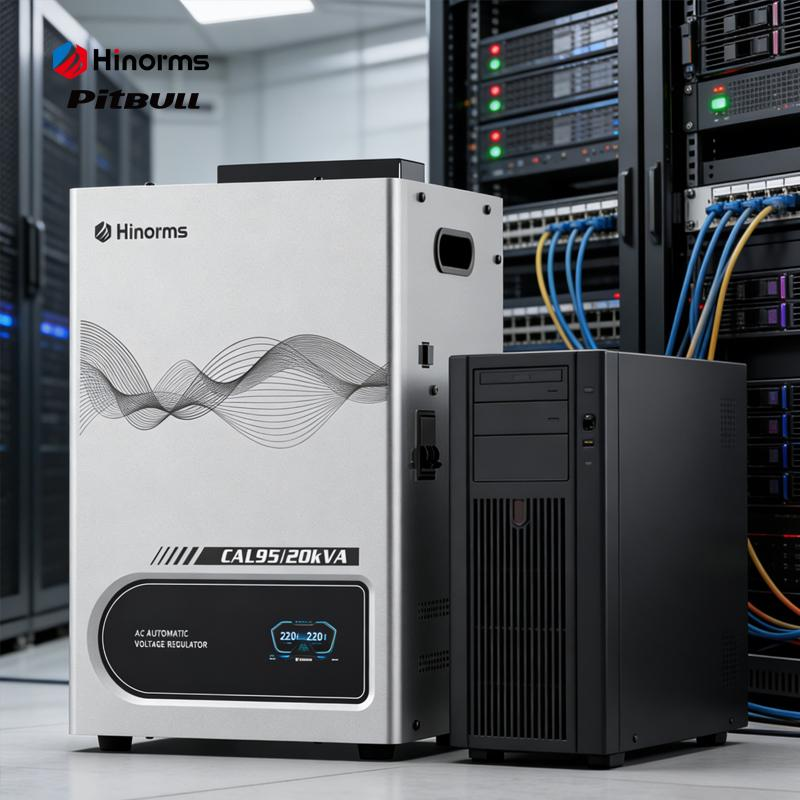
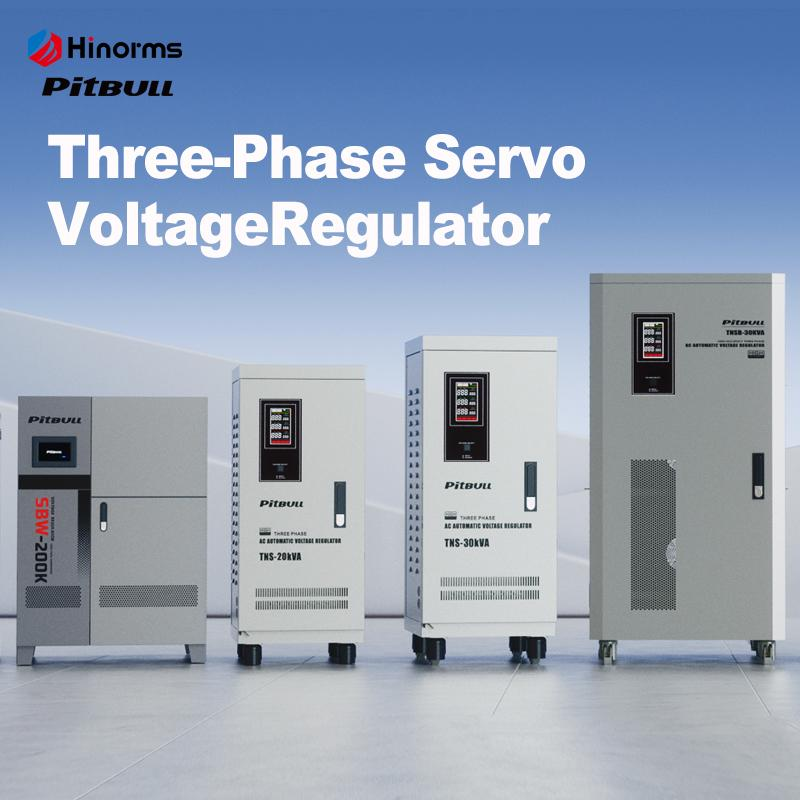
Choosing the right home voltage stabilizer is essential for ensuring the safety and efficiency of electrical appliances in residential settings. As a B2B buyer, your primary concerns likely include reliability, performance specifications, cost-effectiveness and quality control. This article aims to help you navigate these voltage range considerations by providing insights into what to look for when selecting a Hinorms automatic electronic voltage stabilizer for wholesale procurement. 

Our Products

Key Specifications for Home Voltage Stabilizers You Should Know

Understanding the key specifications of home voltage stabilizers is essential for making informed purchases: 

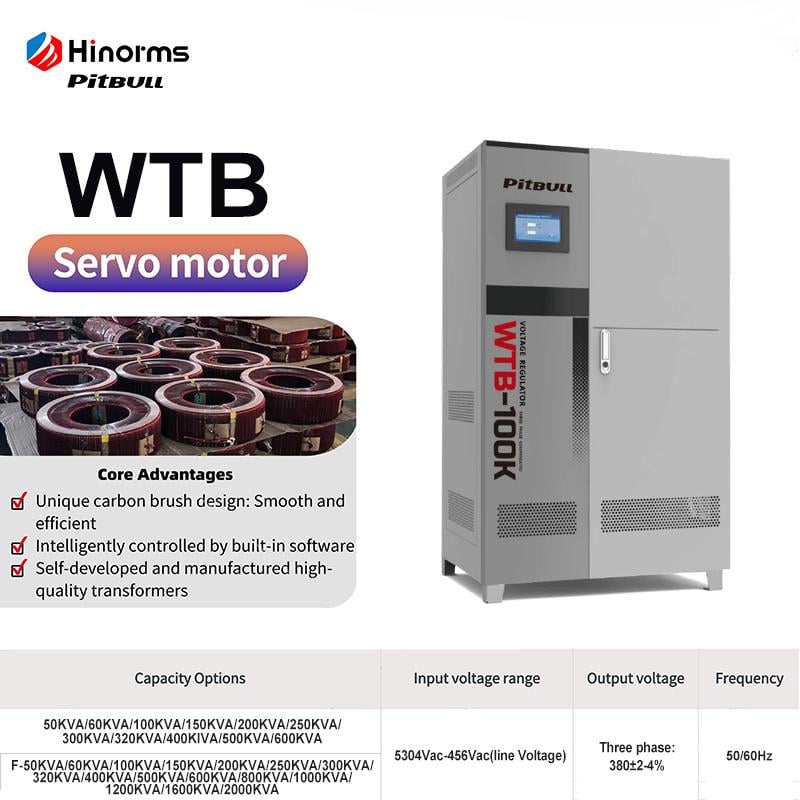
Input Voltage Range: This indicates the acceptable voltage range the Hinorms digital automatic voltage stabilizer can receive. It’s important to ensure that it aligns with the voltage levels typical in your area. 

Output Voltage: This is the stabilized voltage that the device will provide to the appliances. The output should be consistent and match the requirements of the equipment being protected. 

Load Capacity (VA Rating): Measured in Volt-Amperes (VA), this specification indicates the maximum load capacity the stabilizer can handle. It’s crucial to choose a stabilizer with a VA rating that exceeds the cumulative wattage of the devices it will support. 

Total Harmonic Distortion (THD): THD measures the level of distortion in the output voltage. A lower THD value indicates cleaner power, which is important for sensitive equipment like computers and medical devices. 

Efficiency Rating: The efficiency rating reflects how much energy is lost during the voltage stabilization process. Higher efficiency ratings indicate lower operational costs and better environmental performance. 
Quality Control Standards for Reliable Home Voltage Stabilizers

Quality control is paramount in the manufacturing of home voltage stabilizers. It ensures that each unit meets industry standards and performs reliably. Here are some key quality control practices to look for: 

In-House Component Manufacturing: Opt for manufacturers that produce core components in-house. This allows for better quality control and traceability of voltage range throughout the production process. 

Testing Protocols: Ensure that the manufacturer employs comprehensive testing protocols, including stress tests, thermal performance tests, and long-duration operation tests. This helps to identify potential issues before the products reach the market. 

Certification Compliance: Look for stabilizers that comply with international standards such as ISO 9001 for quality management systems. These certifications indicate a commitment to maintaining high-quality manufacturing processes. 

Traceability: A manufacturer that provides traceability for each unit can offer assurance regarding the quality and origin of materials used. This is particularly important in industries where reliability is critical. 

Warranty and Support: Assess the warranty terms and post-sale support provided by the manufacturer. A robust warranty reflects confidence in the product's quality and offers buyers peace of mind. 

Where to Source High-Quality Home Voltage Stabilizers in Bulk

Finding reliable sources for home voltage stabilizers in bulk can be challenging. Consider these strategies: 

Direct from Manufacturers: Purchasing directly from manufacturers can often yield the best pricing and customization options. Look for manufacturers with a strong reputation in the industry and positive customer reviews. 

Industry Trade Shows: Attend trade shows and exhibitions focused on electrical equipment and manufacturing. These events provide opportunities to meet manufacturers, see products firsthand, and discuss bulk purchasing options. 

Online B2B Marketplaces: Platforms such as Alibaba, Global Sources, and ThomasNet allow buyers to connect with various manufacturers and suppliers globally. Be sure to conduct thorough research on suppliers, checking for certifications and customer feedback. 

Local Distributors: Depending on your region, local distributors may have established relationships with manufacturers and can facilitate bulk purchases while providing insights into local market needs. 

Common Installation Problems with Home Voltage Stabilizers and Solutions

Installation of home voltage stabilizers can present challenges. Here are some common issues and recommended solutions: 

Incorrect Sizing: One of the most prevalent issues is selecting a Hinorms ac automatic voltage stabilizer that is either undersized or oversized for the application. To avoid this, buyers should accurately calculate the total load and consult with manufacturers to confirm the appropriate VA rating. 

Improper Placement: Voltage stabilizers should be installed in well-ventilated areas to prevent overheating. Ensure that the installation site is away from direct sunlight and moisture, which can compromise performance. 

Wiring Issues: Incorrect wiring can lead to performance issues or equipment damage. It’s advisable to use qualified electricians for installation and to follow the manufacturer’s wiring diagrams closely. 

Lack of Maintenance: Regular maintenance is essential for ensuring the longevity and effectiveness of stabilizers. Implement a routine check-up schedule to inspect connections, clean units, and test functionality. 

Environmental Factors: Be aware of environmental conditions that may affect the stabilizer’s performance, such as extreme temperatures or humidity. Choose stabilizers with suitable environmental ratings for your specific application. 

By considering these factors and insights, B2B buyers can make informed decisions when selecting home voltage stabilizers that meet their voltage range needs and those of their customers. 

What to Consider When Choosing a Home Voltage Stabilizer for Wholesale

When selecting a home voltage stabilizer for wholesale, several factors should be taken into account: 

Voltage Range: Ensure the stabilizer can handle the specific voltage fluctuations typical in your target market.  It’s essential to match the voltage stabilizer’s range with the local grid specifications to avoid damage to connected appliances. 

Load Capacity: Assess the total load that the stabilizer will need to support. Calculate the combined wattage of all devices that will be connected. This helps in selecting a stabilizer with an appropriate capacity, which is crucial to prevent overload and ensure longevity. 

Response Time: The response time of the stabilizer is critical in maintaining a steady voltage level during fluctuations. Look for stabilizers with a fast response time to protect sensitive electronics and appliances effectively. 

Customization Options: Consider whether the manufacturer offers customization that meets specific application needs, such as different input and output voltages or additional features like surge protection. 

Quality and Reliability: Investigate the manufacturer’s reputation for quality. Look for stabilizers that have undergone rigorous testing and are built with durable components to ensure reliable performance over time. 

Frequently Asked Questions

What is a home voltage stabilizer?

A home voltage stabilizer maintains consistent output voltage to protect appliances from fluctuations in incoming mains supply, ensuring safe and reliable operation.
It protects refrigerators, air conditioners, TVs, computers, pumps, and other sensitive household electrical devices from overvoltage and undervoltage.
In-house core component development, advanced software control, and comprehensive quality checks provide traceability and consistent, reliable performance.
Yes. We offer tailored configurations to match local voltage profiles and load requirements, with full traceability for each unit.
We provide manufacturer warranty and technical support backed by industry-leading quality standards, plus documentation for maintenance and traceability.

Our Blog Posts

Optimizing Reliability: Scheduled Maintenance for WTB 3-Phase Voltage Regulators

18

Nov

Optimizing Reliability: Scheduled Maintenance for WTB 3-Phase Voltage Regulators

On the planet of commercial as well as industrial energy administration, uniformity is actually master. Voltage changes are certainly not simply an inconvenience; they are a straight risk towards efficiency, devices durability, as well ...
View More
220V Voltage Regulators for Commercial Kitchens: Heavy-Duty Use Cases

08

May

220V Voltage Regulators for Commercial Kitchens: Heavy-Duty Use Cases

Commercial kitchens are one of the most difficult electrical environments within a facility. They have a very large variety of 220V appliances operating simultaneously and hour after hour, refrigerators and exhaust hoods, dishwashers, and food prepar...
View More
AVR for UPS Systems: Seamless Power Transitions

11

May

AVR for UPS Systems: Seamless Power Transitions

The most critical line of defense against the power disturbance is that of a UPS. Yet the most refined UPS cannot protect against disturbances when input voltage is inconsistent-the UPS batteries must cycle more than they are designed for, reducing t...
View More
3 Phase Voltage Regulators: Industrial Applications Explained

15

May

3 Phase Voltage Regulators: Industrial Applications Explained

Within industry, 3 phase power is ubiquitous and is used for everything from motors in factory production lines to advanced data centers. Even though it is from the industrial grid, the power may not always be 100% constant; machine failure will occ...
View More

Let’s Build Business Together — For Distributors, Dealers & Partners

We warmly welcome inquiries from distributors and business partners. Retail services are not available at this time. Thank you for your understanding.
Name
Email
Company
Phone/WhatsApp
Message
0/1000
Home Voltage Stabilizer: Key Considerations for Buyers

Let’s Build Business Together — For Distributors, Dealers & Partners

We warmly welcome inquiries from distributors and business partners. Retail services are not available at this time. Thank you for your understanding.
Name
Email
Company
Phone/WhatsApp
Message
0/1000