EN

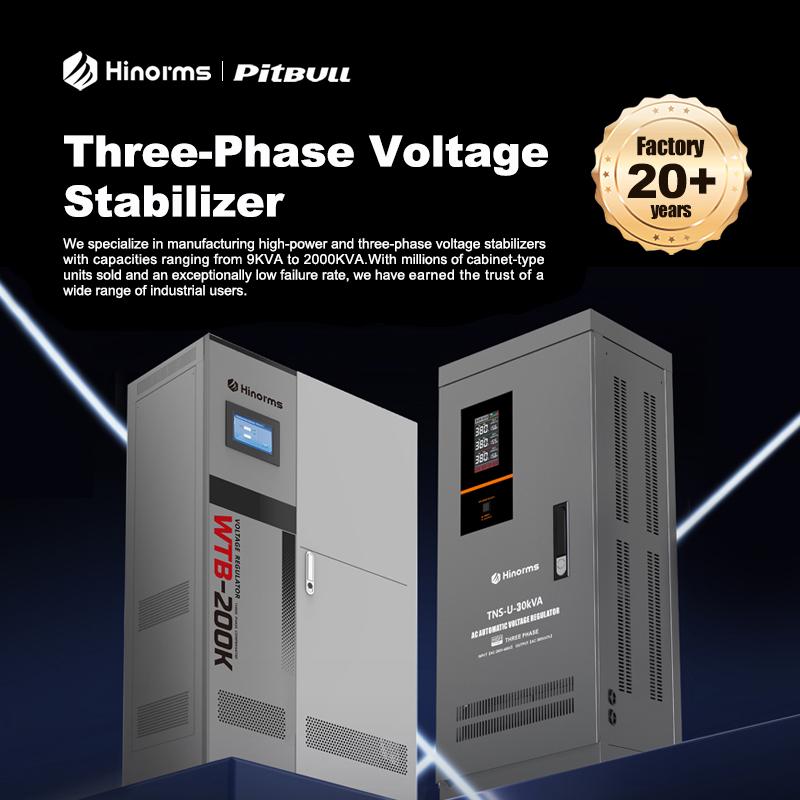
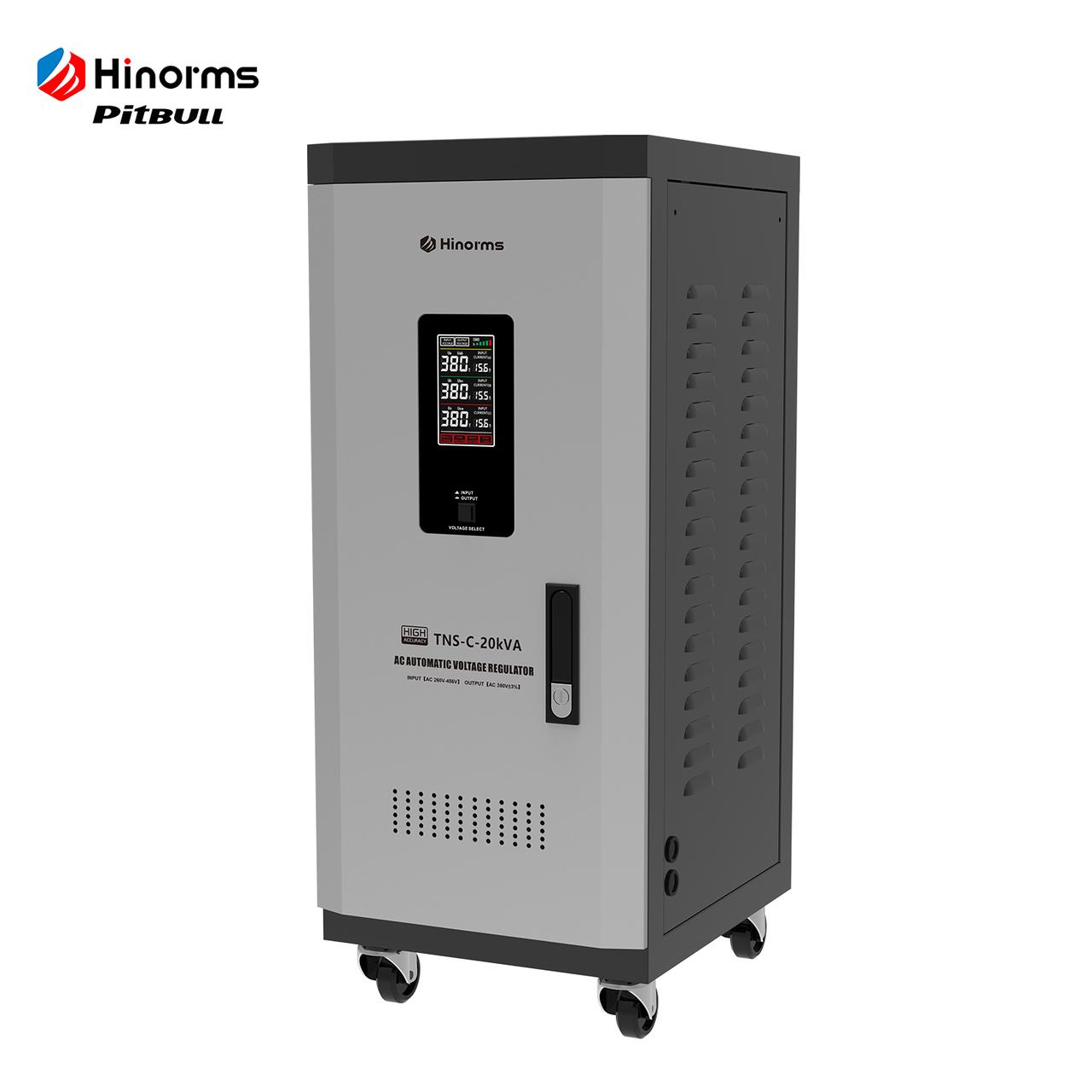
Three-phase voltage stabilizers are critical electrical devices designed to maintain voltage levels in three-phase power systems, ensuring the reliable operation of industrial and commercial equipment. As businesses increasingly rely on stable power sources to ensure operational efficiency, understanding the nuances of three phase voltage stabilizers becomes essential for purchasing managers, engineers, and product managers. This article will explore where to source high-quality automatic voltage stabiliser, cost considerations, installation guidance for three phase voltage stabilizers, common issues and solutions, and their applications of three phase voltage stabilizers.


Understanding the Cost Factors of Three Phase Voltage Stabilizers
The cost of three-phase voltage stabilizers can vary significantly based on several factors. Understanding these can help purchasing managers allocate budgets effectively:
Specifications and Features: Higher specifications, such as advanced software controls and enhanced protection features, typically increase costs. Buyers should assess the required performance standards to avoid over-specifying.
Customization Requirements: Custom-built stabilizers tailored to specific applications may have higher upfront costs but can offer long-term savings through improved efficiency and reduced operational issues.
Materials Used: The choice of materials impacts durability and performance. For instance, high-quality insulating materials may come at a premium but offer better reliability in demanding environments.
Production Volume: Larger orders often lead to lower unit costs. Understanding the minimum order quantities (MOQs) can help in planning purchases to leverage bulk pricing.
Lead Time Considerations: Accelerated lead times might incur additional costs. It’s advisable to balance urgency with budget constraints.
Understanding these factors allows buyers to make informed decisions and negotiate effectively with suppliers.