Choosing the Right Switching Power Regulator

All Categories

switching power regulator

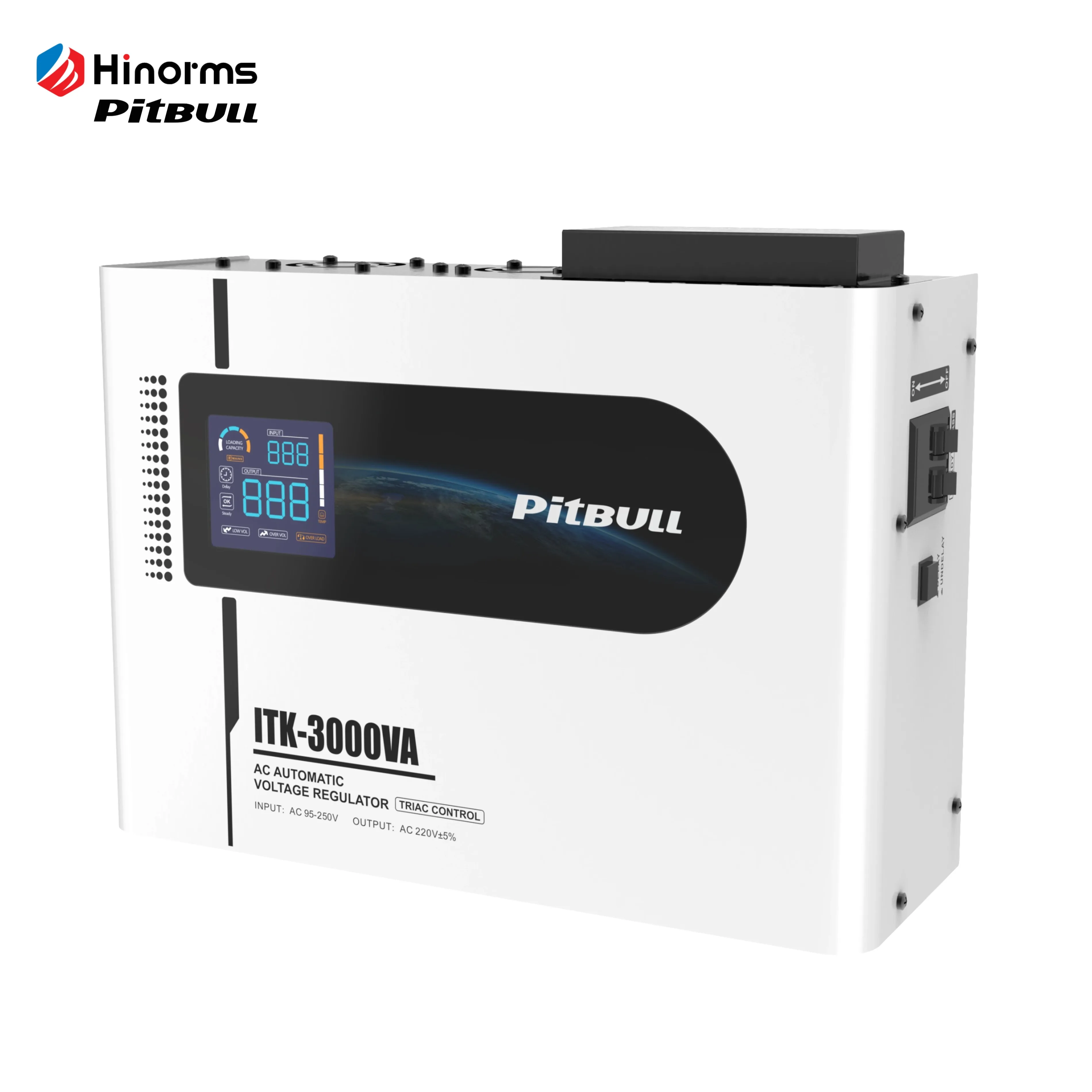
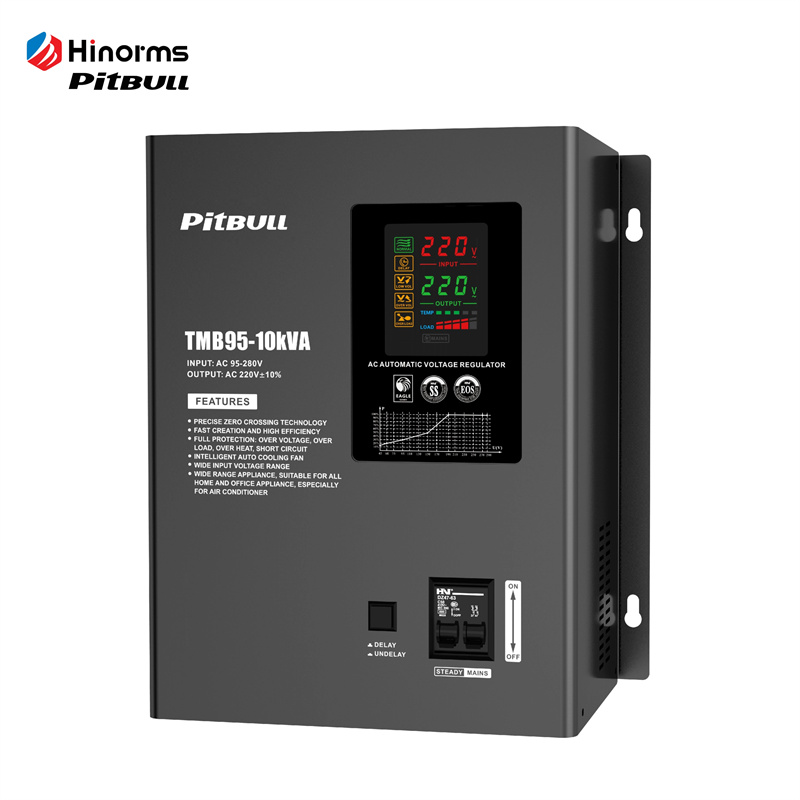
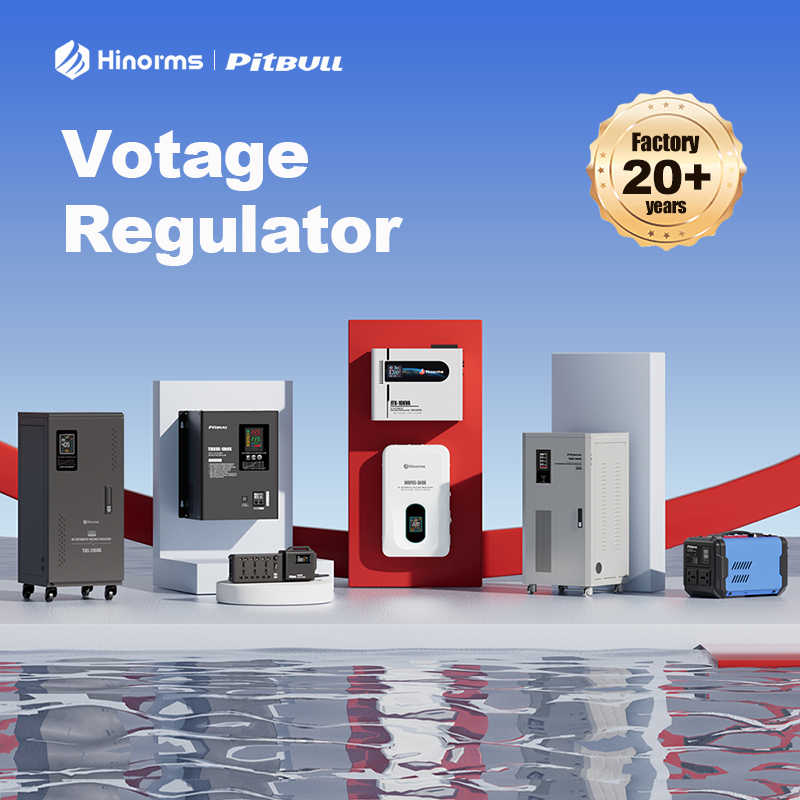
Switching power regulators are crucial components in various electronic applications, providing reliable  voltage regulation  for  a wide range of devices. As  a  B2B buyer,  understanding  the technical specifications, sourcing options,  and  installation challenges associated  with switching power regulators is essential  for making informed purchasing decisions. This article will guide you through  the key considerations  you should keep  in mind when selecting  these components, ensuring  that your  project  meets performance, quality,  and reliability  standards.

Our Products

Wholesale Purchasing Options for High-Quality Switching Power Regulators

Wholesale Purchasing Options for High-Quality Switching Power Regulators

When sourcing  switching power  regulators,  wholesale purchasing can offer significant advantages, including reduced  costs and streamlined supply chains. Establishing a relationship with  a reliable manufacturer can ensure consistent  quality and supply  of the regulators you need.

As a recognized Industry Champion and official drafter of  national industry standards,  we focus  on producing high-quality regulators with  comprehensive quality checks. Working directly with manufacturers allows for better negotiation  on pricing, especially for bulk orders. Ensure that you inquire about minimum order quantities (MOQs)  and lead  times, as these factors can affect your project timeline and budget.


Additionally,  consider the supplier's capacity for  customization and support. A manufacturer that can provide technical guidance and support  during the procurement process can help mitigate common purchasing challenges. For example, we offer the Servo Motor Type Voltage Regulator UVC Series which includes customization options for different applications.

Key Specifications to Consider When Sourcing Power Regulators

Key Specifications to Consider When Sourcing Power Regulators

Understanding the key specifications of  switching power regulators is vital for ensuring that they  meet your application requirements.  Here are several critical specifications to review:

Input  Voltage Range: Ensure the regulator can handle the voltage levels generated by your power source. An unsuitable input range can lead to operational failures.

Output Voltage and Current Ratings:  Confirm that the output voltage matches your device's requirements and that the current rating is sufficient to support all connected loads.

Efficiency: Look for regulators with high efficiency ratings, especially  for applications where power conservation is critical. Higher efficiency translates  to less heat generation and lower operational  costs.

Thermal Performance: Evaluate how the regulator  manages heat dissipation. Thermal  performance is particularly important in  compact designs where space  for heat  sinks may be limited.

Regulation Type: Different regulation types (linear vs. switching)  offer  various benefits. While switching regulators are typically more efficient, linear  regulators can provide cleaner output for sensitive applications.

Protection Features: Ensure the regulator has  built-in protection features such as over-voltage,  over-current, and thermal shutdown to enhance system reliability.

By analyzing these specifications  carefully, buyers can avoid common pitfalls associated with under-specifying  or over-specifying components.

Common Installation Challenges with Switching Power Regulators and Solutions

Common Installation Challenges with Switching Power Regulators and Solutions

Installing switching  power regulators can present  several challenges that may impact performance and  reliability. Here are  some common issues and their solutions:

Thermal Management: Improper heat dissipation can lead to regulator failure. To mitigate this, ensure adequate spacing between  components and consider using heatsinks or thermal pads for effective heat transfer.

PCB Layout Considerations: The layout of the printed circuit board (PCB)  can significantly affect the performance of switching  regulators. Keep power and ground traces short to minimize inductance, and  maintain proper grounding to  avoid  noise issues.

Input and Output Capacitors: Selecting the right input and output capacitors is critical. Insufficient capacitance can lead to voltage  spikes  and instability. Always refer to the  manufacturer's recommendations  for capacitor values  and types.

Inductor Selection: In  switching applications,  the  choice of inductor can affect efficiency and performance. Ensure that the inductor can handle the peak currents and has suitable core materials for your  operating frequency.

Noise and EMI: Switching regulators can generate electromagnetic interference (EMI) that may affect nearby components. To reduce EMI, apply proper filtering techniques and consider shielding sensitive areas of the circuit.

By addressing  these challenges early in the design and installation phases, buyers can enhance the performance and longevity of their switching power regulators.

Understanding Applications of Switching Power Regulators in Industry

Switching power regulators are  versatile components used in  a wide range of industries. Their  applications include:

Telecommunications: Powering base  stations and communication devices, where stable voltage and high efficiency are  crucial for maintaining signal integrity.

Consumer Electronics: Used in devices such as smartphones, tablets, and laptops, switching regulators help manage power  distribution efficiently, extending  battery life and improving performance.

Industrial Automation: Providing reliable power to control systems,  sensors,  and  actuators,  switching regulators are essential for maintaining operational consistency in manufacturing  environments.

Medical Devices: In medical applications,  switching power  regulators ensure that devices operate safely and reliably, with stringent requirements for voltage  stability  and noise reduction.

Automotive Applications: Used in automotive electronics for power management, switching regulators must withstand  harsh operating conditions while providing reliable performance.

Understanding these applications can guide buyers in selecting the appropriate  switching power regulator tailored to their industry needs  and application  requirements.

Choosing the Right Switching Power Regulator for Your Project Needs

Selecting the appropriate switching power  regulator involves understanding your specific application  requirements. Consider factors such as input voltage range,  output  voltage, output current capacity, and efficiency ratings. For  instance, if your application demands  a compact design  with minimal heat generation, you might prioritize a  regulator with higher efficiency and lower thermal output. For highly efficient designs, consider our Three-phase Servo Motor Type Voltage Regulator WTA Series.

Additionally, assess the load requirements  of your application. A regulator must be  capable of handling peak loads without compromising stability. Understanding the dynamic load conditions can also help  determine the necessary transient  response times. If  your application involves varying loads,  a  regulator with a fast transient response will  ensure stable voltage output.

Lastly,  consider customization options. As a leading manufacturer  of voltage stabilizers, we offer tailored solutions that can adapt  to specific power needs. Customization  may include adjustments to output voltage levels, form factors, or integration with existing systems.

Our Blog Posts

Inside the AVR: Key Components That Define Stabilizer Performance and Lifespan

19

Jul

Inside the AVR: Key Components That Define Stabilizer Performance and Lifespan

When it comes to voltage stabilizers (AVRs), what really determines their performance and durability it’s inside. Whether you’re using a relay type, servo type, or thyristor type stabilizer, the key components at the heart of each make al...
View More
How Relay Voltage Stabilizers Protect Your Appliances

18

Nov

How Relay Voltage Stabilizers Protect Your Appliances

We all too frequently lose sight of how essential our reliable, stable power is in our everyday lives. But the electrical power that reaches our homes is not entirely stable. Variations in voltage are bound to happen It is not uncommon that there is ...
View More
What Do Voltage Regulators Do?

15

Jan

What Do Voltage Regulators Do?

In our gradually electrified world, a steady in addition to reliable flow of power is actually really the unacknowledged hero in charge of the soft treatment of various devices in addition to body systems. Originating from industrial devices in the ...
View More
SCR vs. Servo Voltage Stabilizers: Which Technology Is Right for Your Industry?

06

Mar

SCR vs. Servo Voltage Stabilizers: Which Technology Is Right for Your Industry?

In the modern industrial environment, the reliability of your power supply is what directly determines productivity and the life cycle of equipment. One of the most frequent problems is the voltage fluctuations, and the selection of a stabilization ...
View More

Let’s Build Business Together — For Distributors, Dealers & Partners

We warmly welcome inquiries from distributors and business partners. Retail services are not available at this time. Thank you for your understanding.
Name
Email
Company
Phone/WhatsApp
Message
0/1000

Related product categories

Choosing the Right Switching Power Regulator

Let’s Build Business Together — For Distributors, Dealers & Partners

We warmly welcome inquiries from distributors and business partners. Retail services are not available at this time. Thank you for your understanding.
Name
Email
Company
Phone/WhatsApp
Message
0/1000