EN

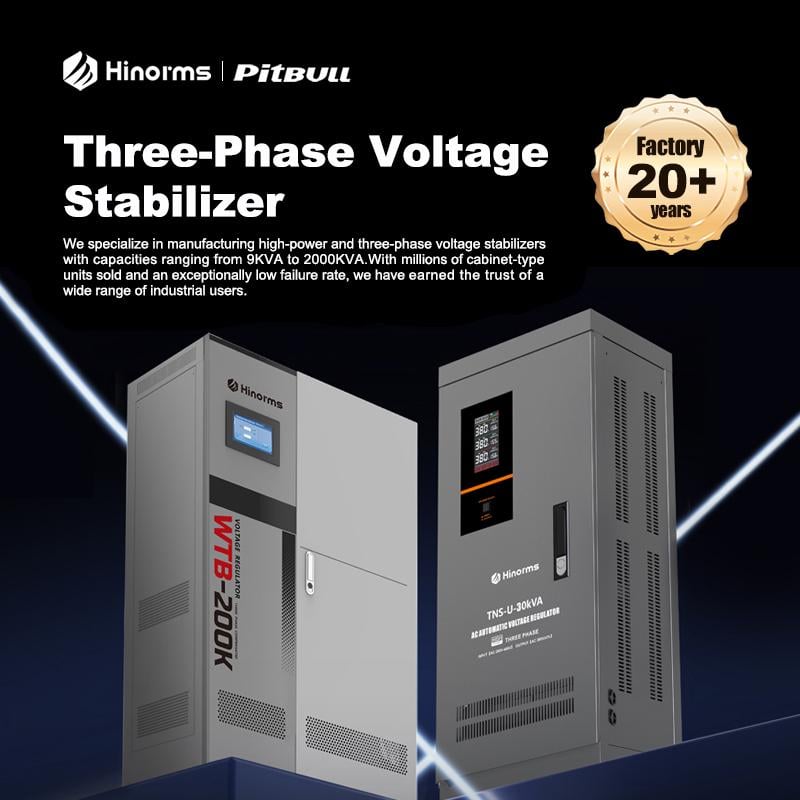
Three-phase regulators are essential devices used to manage and stabilize voltage ratings levels in three-phase electrical systems. For B2B buyers, such as purchasing managers and engineers, understanding the intricacies of three-phase regulators is critical to ensuring reliable power supply, enhancing system efficiency, and avoiding costly downtime. This article will guide you through the key considerations when selecting a three-phase regulator, comparing specifications for bulk orders, understanding common installation challenges, and exploring their applications across various industries.


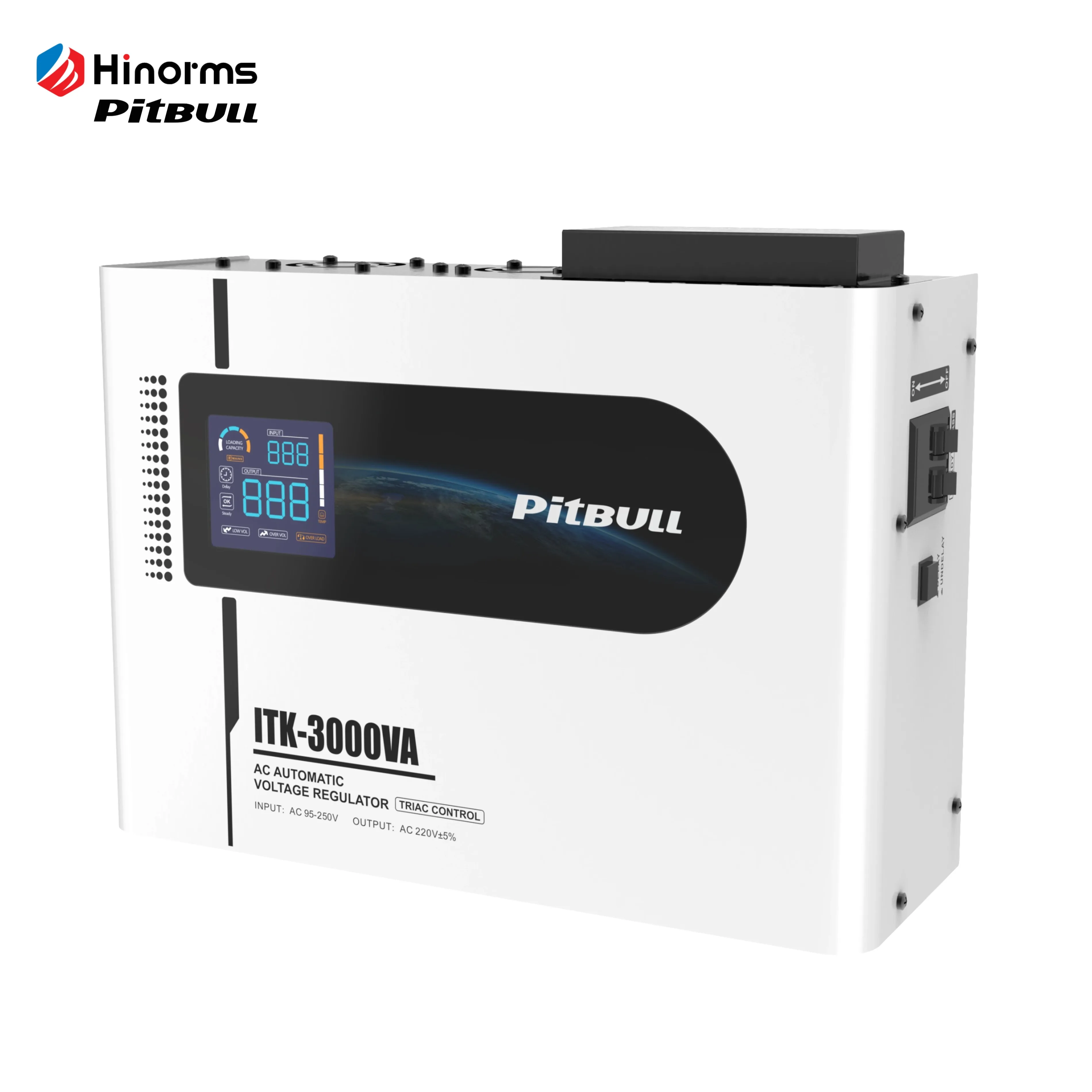


How to Compare Three Phase Regulator Specifications for Bulk Orders
When evaluating three-phase regulators for bulk purchases, a systematic approach to comparing specifications is essential:
Performance Specifications: Review the key specifications, including input and output voltage ratings, frequency ratings, and total harmonic distortion (THD). Ensure that these align with your operational requirements.
Efficiency Ratings: Look for energy efficiency ratings, as higher efficiency can lead to lower operational costs. This is particularly important for large-scale applications where energy consumption can significantly impact the bottom line.
Size and Weight: Consider the physical dimensions and weight of the regulators, especially if space is a constraint in your installation area. Compact designs may offer advantages in terms of installation flexibility.
Lead Time and MOQ: Understand the lead times for production and the minimum order quantities (MOQ) required by the manufacturer. This information is crucial for planning your procurement strategy.
Warranty and Support: Compare warranty terms and the level of technical support offered by different manufacturers. A robust warranty and accessible support can mitigate risks associated with product defects.
By meticulously comparing these specifications, you can identify the most suitable three-phase regulators for your needs and ensure a smooth procurement process.